Dental Crowns Australia – Types Explained
Dental Crowns Australia – Types Explained
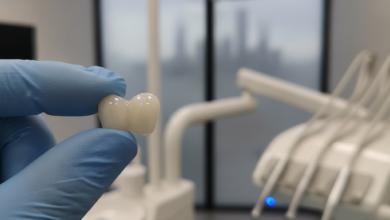
Dental crowns are a cornerstone of modern restorative dentistry, offering solutions for teeth that are damaged, decayed, or aesthetically compromised. For many individuals across Australia seeking to restore the strength, function, and appearance of their smiles, dental crowns provide a durable and effective treatment option. These custom-made caps are meticulously crafted to encase the entire visible portion of a tooth above the gum line, effectively becoming the tooth’s new outer surface. The primary purpose of a dental crown is to protect a weakened tooth from further damage, restore its original shape and size, and improve its overall aesthetic appeal. Beyond mere aesthetics, crowns play a crucial role in maintaining oral health, ensuring proper bite alignment, and preventing issues like tooth sensitivity or fracture propagation. Understanding the various types of crowns available is key to making an informed decision, as each material offers a unique balance of strength, durability, and natural appearance.
Understanding Dental Crowns: What Are They and Why Are They Needed?
A dental crown, often referred to as a “cap,” is a prosthetic device cemented onto an existing tooth or dental implant. Its function extends beyond simple covering; it provides structural support, protection, and a renewed aesthetic for teeth that have undergone significant damage or alteration. The need for a dental crown can arise from various circumstances. One of the most common reasons is to restore a tooth that has sustained a large cavity, where a filling alone would not suffice to preserve the tooth’s structural integrity. After root canal treatment, a crown is frequently recommended to protect the now more brittle, devitalized tooth from fracture.
Furthermore, crowns are instrumental in repairing severely worn down teeth, teeth that are cracked or fractured, or those with significant discoloration or misshapenness that cannot be corrected by less invasive cosmetic procedures. They can also serve as anchors for dental bridges, holding the artificial tooth (pontic) in place by being cemented to adjacent natural teeth. For patients undergoing a full mouth reconstruction or smile makeover, crowns are often a vital component, designed to create a uniform, healthy-looking smile. The decision to opt for a dental crown is always made in consultation with a dental professional, considering the extent of tooth damage, the patient’s oral health, and their aesthetic goals.
The benefits of choosing a dental crown are multifaceted:
- Restoration of Strength: Crowns provide significant reinforcement to weakened or fractured teeth, preventing further damage.
- Improved Aesthetics: They can dramatically enhance the appearance of discolored, misshapen, or poorly aligned teeth, blending seamlessly with natural teeth.
- Enhanced Functionality: Restoring the tooth’s original shape allows for proper chewing and speaking, contributing to overall oral comfort and health.
- Long-Term Solution: With proper care, dental crowns can last for many years, offering a durable solution to dental problems.
- Protection: They act as a shield, protecting vulnerable teeth, especially after root canal therapy, from bacterial invasion and structural compromise.
Exploring Types of Dental Crowns Australia: Materials and Features
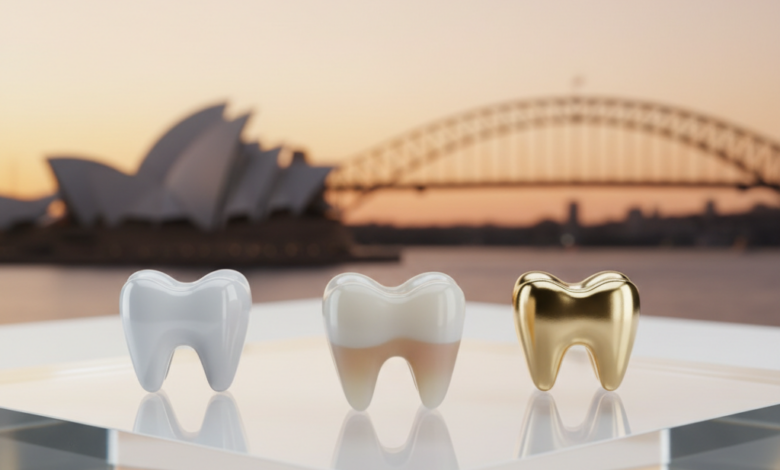
In Australia, patients have access to a variety of dental crown materials, each with its own set of advantages and considerations regarding aesthetics, durability, and cost. The choice of material often depends on the tooth’s location in the mouth, the amount of chewing force it endures, patient preferences, and budget. Here, we delve into the most common types of dental crowns used today.
All-Ceramic and Porcelain Crowns
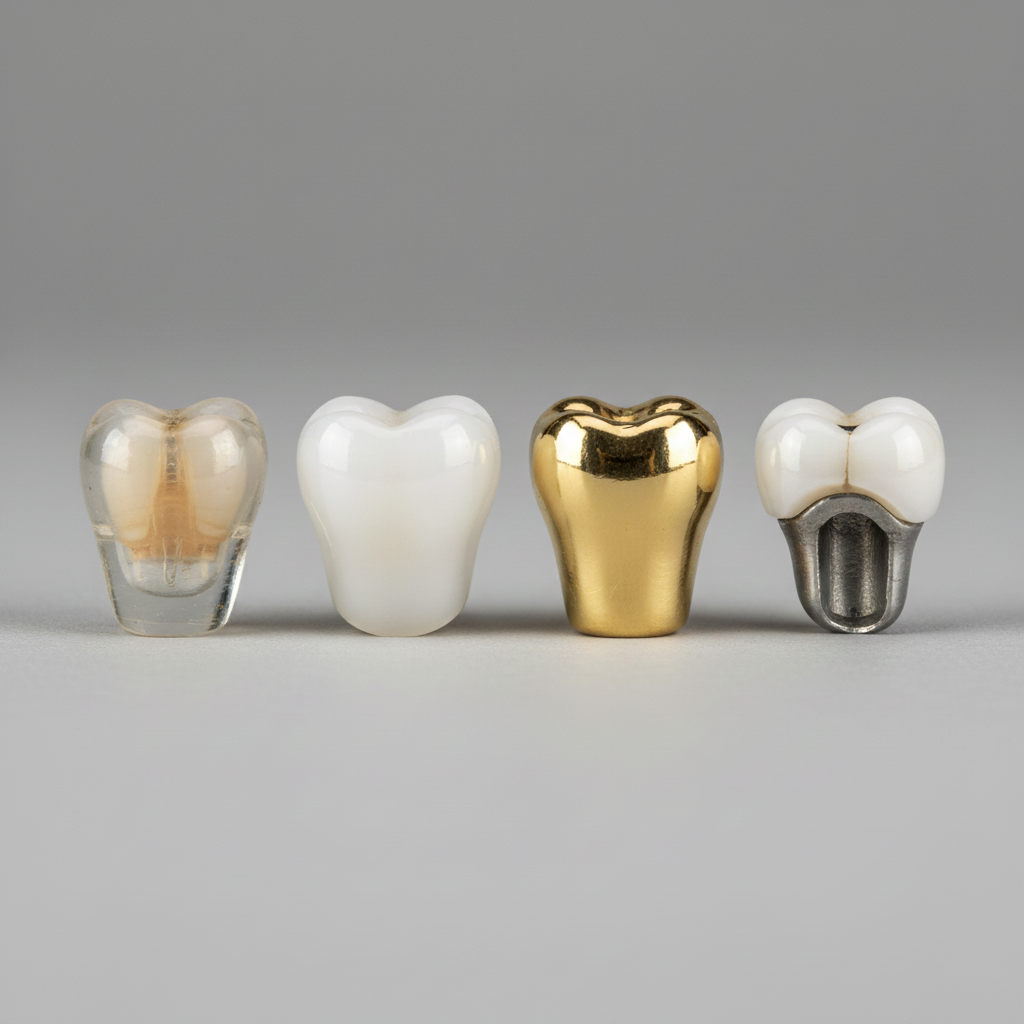
All-ceramic and porcelain crowns are highly sought after for their exceptional aesthetic qualities. They are ideal for front teeth, where appearance is paramount, as they can be precisely matched to the colour of surrounding natural teeth. These crowns are metal-free, making them suitable for patients with metal allergies or those who prefer a more natural look without any risk of a metallic margin showing at the gum line over time. While highly aesthetic, earlier generations of porcelain crowns could be more prone to chipping or fracture under heavy biting forces compared to their metal counterparts. However, advancements in dental ceramics, such as E-max (lithium disilicate), have significantly improved their strength, making them a viable option for some back teeth as well.
Zirconia Crowns
Zirconia crowns represent a significant leap forward in dental materials, combining the best of both worlds: superior strength and excellent aesthetics. Zirconia is a remarkably durable ceramic material that can withstand considerable chewing forces, making it an excellent choice for both front and back teeth. Its natural white colour and translucency allow it to mimic the appearance of natural tooth enamel quite effectively, especially when layered with porcelain. Zirconia crowns are biocompatible, meaning they are well-tolerated by the body, and they are resistant to corrosion and staining. They are often chosen for their longevity and their ability to provide a strong, natural-looking restoration.
Metal and Porcelain-Fused-to-Metal (PFM) Crowns
Metal crowns, typically made from gold alloys, palladium, nickel, or chromium, are known for their unparalleled strength and durability. They are highly resistant to fracture and wear, making them an excellent choice for molars and other back teeth that endure significant chewing forces. The main drawback of metal crowns is their metallic colour, which makes them less aesthetically pleasing for visible teeth. However, for those prioritising strength and longevity above all else, especially in non-visible areas, metal crowns remain a highly effective option.
Porcelain-Fused-to-Metal (PFM) crowns offer a compromise between the aesthetics of porcelain and the strength of a metal substructure. A metal base provides the necessary durability and structural integrity, while a layer of porcelain is fused over it to create a tooth-coloured exterior. PFM crowns have been a popular choice for many years due to their versatility, being suitable for both front and back teeth. While they offer good aesthetics, over time, the metal margin near the gum line might become visible, especially if gum recession occurs, which can be an aesthetic concern for some patients.
Here’s a comparative overview of common dental crown materials:
| Crown Type | Primary Benefit | Aesthetic Appeal | Durability | Considerations |
|---|---|---|---|---|
| All-Ceramic/Porcelain | Natural appearance | Excellent | Good to Excellent (E-max) | Can be brittle; best for front teeth or lighter bites. |
| Zirconia | Strength & Aesthetics | Excellent | Outstanding | Can be more expensive; may require more tooth reduction than metal. |
| Metal (Gold, Alloys) | Superior strength | Poor (metallic) | Exceptional | Visible; some patients prefer not to have metal in mouth. |
| Porcelain-Fused-to-Metal (PFM) | Balance of strength & aesthetics | Good | Very Good | Risk of metal margin visibility over time; porcelain can chip. |
The Dental Crown Procedure: A Step-by-Step Guide
Obtaining a dental crown typically involves a multi-stage process over two or more appointments, meticulously carried out by your dentist to ensure a perfect fit and natural appearance. The procedure is designed to be as comfortable and efficient as possible for the patient.
Initial Assessment and Tooth Preparation
The journey begins with a thorough examination of the tooth requiring a crown. This usually involves X-rays to assess the tooth’s roots and surrounding bone. If there is significant decay or a risk of infection, a root canal treatment may be necessary before the crown can be placed. Once the tooth is deemed suitable, the dentist will numb the area with a local anaesthetic. The tooth is then carefully reshaped – a process called preparation – to make space for the crown. Approximately 1-2 millimetres of enamel and dentin are removed from all sides and the top of the tooth, ensuring the crown will fit snugly and not interfere with the bite.
Impressions and Temporary Crown Placement
After preparation, impressions of the prepared tooth and the surrounding teeth are taken. These impressions, either traditional physical moulds or digital scans, are critical for creating an accurate model of your bite. This model is then sent to a dental laboratory, where skilled technicians custom-fabricate your permanent crown. The customisation ensures the crown matches the shape, size, and colour of your natural teeth. While your permanent crown is being made (a process that can take a few weeks), a temporary crown made of acrylic or composite material is placed over the prepared tooth. This temporary crown protects the exposed tooth, maintains its position, and allows you to eat and speak normally until your next appointment.
Final Fitting and Cementation
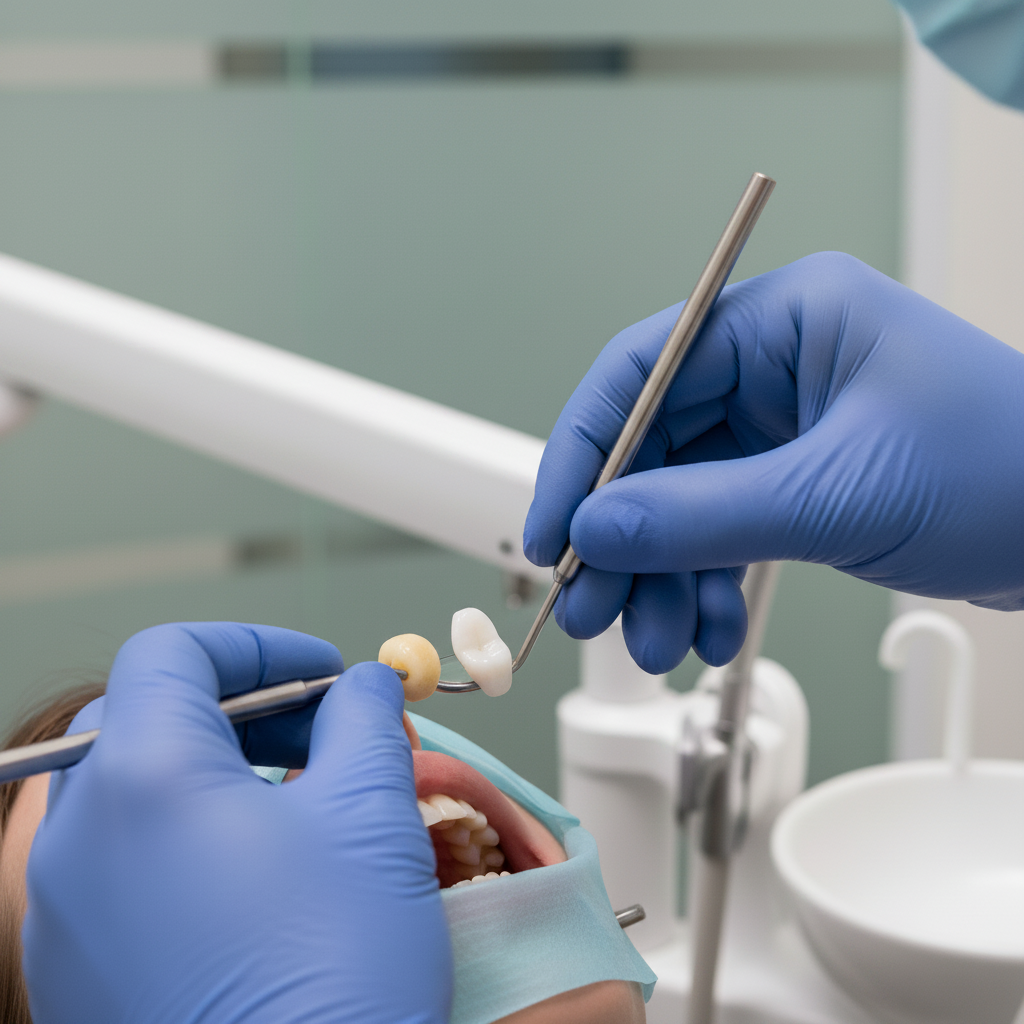
Once the permanent crown arrives from the laboratory, you will return for your final appointment. The dentist will remove the temporary crown and thoroughly clean the prepared tooth. The permanent crown is then carefully placed on the tooth to check its fit, bite, and aesthetics. The dentist will ensure that the crown’s colour matches your other teeth and that your bite feels natural and comfortable. Minor adjustments may be made at this stage to achieve perfection. Once both you and the dentist are satisfied, the crown is permanently cemented onto your tooth using a strong dental adhesive. With the crown securely in place, you can immediately resume normal chewing and speaking functions.
Benefits, Care, and Longevity of Dental Crowns
Dental crowns offer a plethora of benefits that extend beyond simply covering a damaged tooth. They are a robust solution for a variety of dental issues, contributing significantly to both oral health and overall well-being.
Enhanced Aesthetics and Function
One of the most immediate and noticeable benefits of dental crowns is the dramatic improvement in aesthetics. Crowns can transform a fractured, discolored, or misshapen tooth into one that blends seamlessly with your natural smile. This boost in confidence can have a positive impact on personal and professional interactions. Functionally, a crown restores the tooth’s ability to bite and chew effectively, eliminating discomfort and allowing for a balanced diet. This restoration of proper chewing mechanics also helps prevent excessive wear on other teeth.
Durability and Protection
Dental crowns are designed to be highly durable and withstand the daily forces of chewing and grinding. They provide a strong protective barrier for weakened teeth, particularly those that have undergone extensive decay or root canal treatment. By encasing the entire tooth, a crown prevents further fractures and protects the underlying tooth structure from bacterial ingress, thereby safeguarding against future infections or decay. This robust protection is crucial for the long-term health of the treated tooth.
Maintaining Your Investment: Care and Expected Lifespan
The longevity of your dental crown largely depends on good oral hygiene practices and regular dental check-ups. Just like natural teeth, crowns can accumulate plaque and tartar, and the underlying tooth can still be susceptible to decay at the gum line if not properly cared for. Brushing at least twice a day with a fluoride toothpaste, flossing daily around the crown, and using an antimicrobial mouthwash can help maintain the health of your crown and surrounding gums. Avoiding habits such as biting on hard objects (e.g., ice, popcorn kernels) or using your teeth to open packages can also extend the life of your crown.
With meticulous care, dental crowns can last anywhere from 5 to 15 years, and in many cases, even longer. The exact lifespan varies depending on the material of the crown, the forces it endures, the patient’s oral hygiene, and their dietary habits. Regular visits to your dentist in Australia for professional cleanings and examinations are essential to monitor the condition of your crown and the health of your gums and surrounding teeth. Your dentist can identify any potential issues early, such as cracks in the crown or gum recession, ensuring timely intervention and maximising the crown’s lifespan. For more information on related dental procedures, such as dental bridges, consult your dental professional.
For additional scientific insights into dental crown materials and procedures, consider exploring resources like Wikipedia’s entry on Dental Crowns.