Gum Surgery Australia – What to Expect
Gum Surgery Australia – What to Expect
Gum health is an often-overlooked yet critical component of overall oral and systemic well-being. While daily brushing and flossing are foundational, some individuals may face advanced gum disease or other periodontal issues that necessitate more intensive intervention: gum surgery. For those in Australia contemplating or preparing for such a procedure, understanding what to expect is key to a smooth journey and successful outcome. This comprehensive guide aims to demystify gum surgery, outlining its necessity, various types, the procedural steps, and crucial post-operative care, positioning the reader to make informed decisions about their dental health.
Understanding the Need for Gum Surgery Australia
Gum disease, or periodontal disease, begins with bacterial growth in the mouth and can lead to severe damage to the soft tissue and bone that support your teeth. While mild forms like gingivitis can often be reversed with diligent oral hygiene and professional cleanings, more advanced stages – periodontitis – require more aggressive treatment. When deep pockets form between the teeth and gums, accumulating plaque and tartar that regular cleaning cannot reach, gum surgery becomes a necessary step to halt disease progression and prevent tooth loss.
Several factors contribute to the development of gum disease, including poor oral hygiene, genetics, smoking, hormonal changes, certain medications, and underlying health conditions like diabetes. Ignoring the early signs, such as bleeding gums, persistent bad breath, and swollen or tender gums, can escalate the problem, leading to chronic inflammation, bone resorption, and ultimately, tooth mobility or loss.
When is Gum Surgery Recommended?
A periodontist, a dentist specialising in the prevention, diagnosis, and treatment of gum disease, will recommend gum surgery when non-surgical treatments like scaling and root planing (deep cleaning) have proven insufficient to manage periodontitis. This typically occurs when:
- Deep periodontal pockets persist, making it impossible to clean effectively.
- There is significant bone loss around the teeth.
- Gum recession exposes sensitive tooth roots.
- Loose teeth require stabilisation.
- Aesthetic concerns arise due to uneven gum lines or exposed tooth roots.
Common Types of Gum Surgery Procedures
Gum surgery encompasses a variety of procedures designed to address specific periodontal issues, restore gum health, and, in some cases, enhance the aesthetics of your smile. The choice of procedure depends on the extent of the disease, the specific damage to gum tissue and bone, and the patient’s individual needs.
Pocket Reduction Surgery (Flap Surgery)
This is one of the most common gum surgeries. During this procedure, the periodontist folds back the gum tissue to remove disease-causing bacteria, plaque, and tartar from deep pockets. Damaged bone surfaces may be smoothed to limit areas where bacteria can hide. The gum tissue is then repositioned snugly around the tooth. This reduces pocket depth and makes it easier for patients to maintain good oral hygiene.
Bone Grafting
When periodontitis has led to significant bone loss, a bone graft may be performed to restore the bone that supports your teeth. The graft material can be fragments of your own bone, synthetic bone, or donated bone. The graft acts as a scaffold, encouraging the regrowth of natural bone and reattaching the teeth firmly.
Soft Tissue Grafts (Gum Grafts)
Gum recession, where the gum tissue pulls away from the teeth, exposing the roots, can lead to sensitivity, root decay, and an unsightly appearance. Soft tissue grafts are used to cover exposed roots and increase the amount of gum tissue around the tooth. Tissue is typically taken from the roof of your mouth or another donor source and then carefully grafted onto the receded area. This procedure can significantly improve aesthetics and reduce sensitivity. You can learn more about related aesthetic procedures like gum contouring cost Australia.
Guided Tissue Regeneration
This procedure is performed when the bone supporting the teeth has been destroyed. A small piece of mesh-like fabric is inserted between the bone and gum tissue. This material prevents the gum tissue from growing into the area where the bone should be, allowing the bone and connective tissue to regenerate more effectively.
Crown Lengthening
While often performed for cosmetic reasons, crown lengthening can also be a functional procedure. It involves removing gum tissue (and sometimes bone) to expose more of the tooth structure. This might be necessary if a tooth is broken below the gum line or has insufficient tooth structure to support a crown or filling.
The Gum Surgery Procedure: What to Expect
Undergoing gum surgery can seem daunting, but understanding the typical process can alleviate anxieties. While specific details will vary based on the procedure and individual case, a general roadmap is consistent.
Initial Consultation and Diagnosis
Your journey begins with a thorough examination by a periodontist. This includes reviewing your medical history, taking dental X-rays, and meticulously measuring the depth of periodontal pockets around each tooth. The periodontist will discuss your diagnosis, explain the recommended surgical approach, and address any concerns or questions you may have.
Preparation for Surgery
Before surgery, your periodontist might recommend a deep cleaning (scaling and root planing) to remove as much plaque and tartar as possible. You’ll receive specific pre-operative instructions, which may include guidelines on eating, drinking, and medication adjustments. It’s crucial to follow these instructions diligently.
During the Procedure
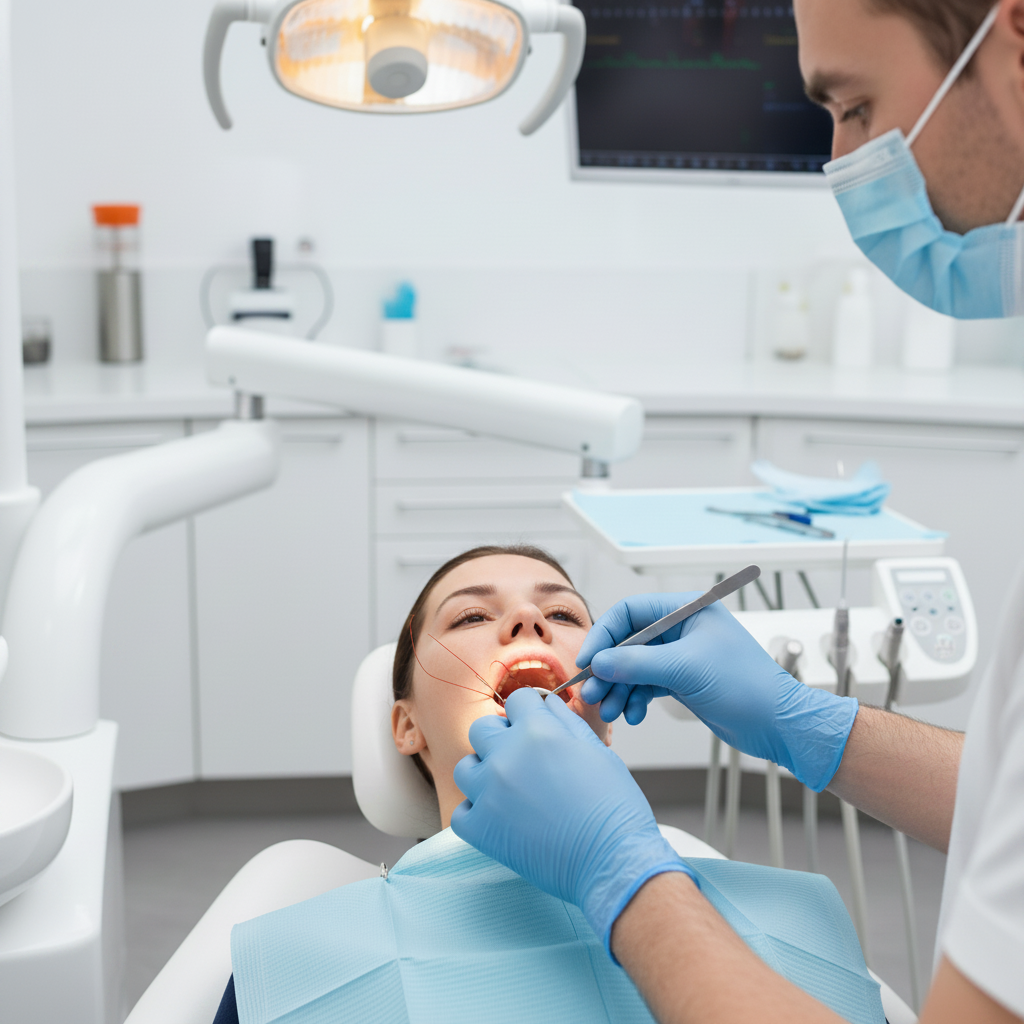
Gum surgery is typically performed under local anaesthesia, ensuring you remain comfortable and pain-free throughout the procedure. For those with dental anxiety, conscious sedation options may also be available. The duration varies depending on the complexity and extent of the surgery, but most procedures last between one to a few hours.
The periodontist will execute the chosen surgical technique:
- Anaesthesia: Local anaesthetic is administered to numb the surgical area.
- Incisions: Small incisions are made in the gum tissue to allow the periodontist to gently lift it away from the tooth roots and underlying bone.
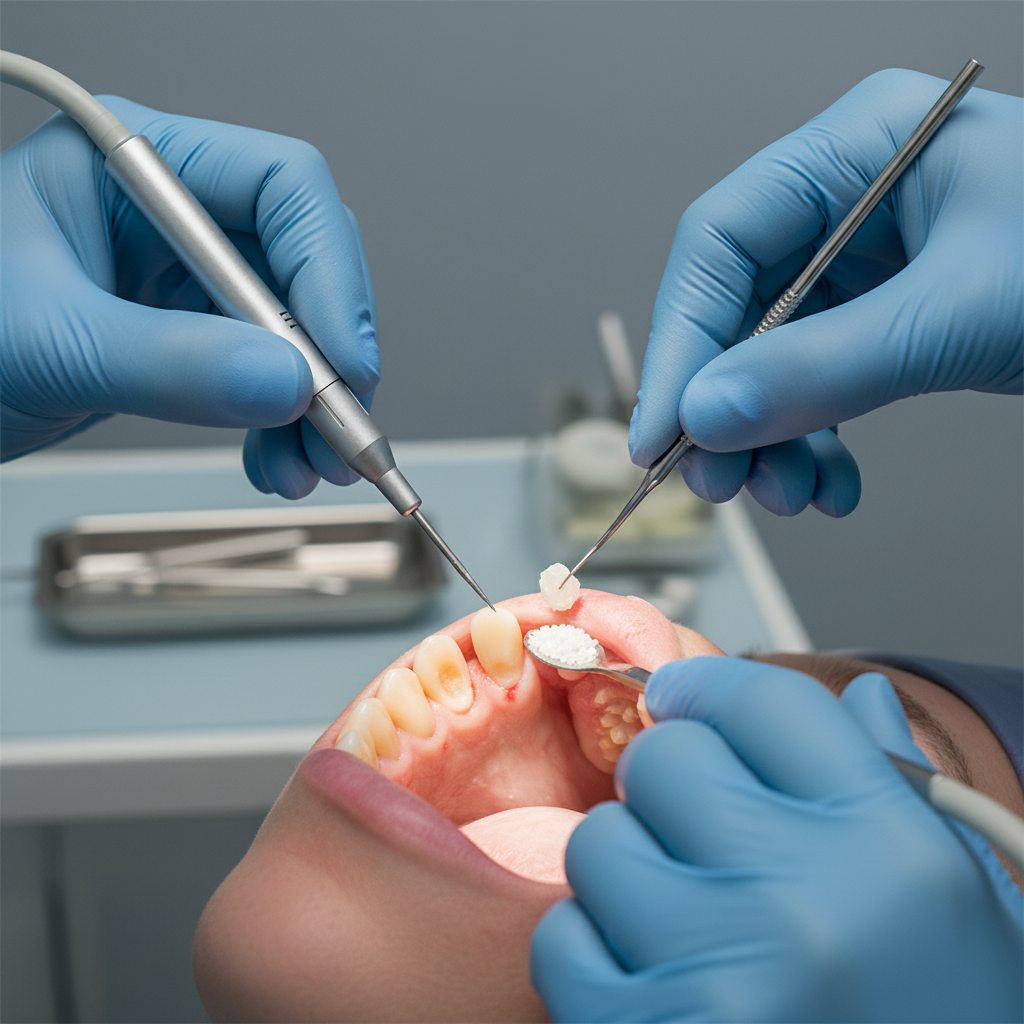
- Cleaning and Reshaping: The exposed tooth roots are thoroughly cleaned, and diseased tissue is removed. If necessary, bone is reshaped, or grafting materials (bone or soft tissue) are placed.
- Suturing: The gum tissue is then repositioned and secured with sutures (stitches), which may be dissolvable or require removal at a follow-up appointment.
- Dressing: A periodontal dressing, a protective putty-like material, might be applied over the surgical site to protect the healing tissues.
Immediate Post-Procedure Care
Immediately after surgery, you’ll receive detailed post-operative instructions. It’s normal to experience some swelling, discomfort, and minor bleeding. Pain medication will be prescribed or recommended to manage discomfort. Applying an ice pack to the outside of your face can help reduce swelling. You will need someone to drive you home if you received sedation.
Recovery and Aftercare: A Crucial Phase
The success of gum surgery heavily relies on proper post-operative care and adherence to the periodontist’s instructions. Recovery timelines vary, but most patients can expect to resume normal activities within a few days to a week, though complete healing takes longer.
Managing Pain and Discomfort
Discomfort is typically managed with over-the-counter pain relievers or prescribed medication. It’s essential to take these as directed and avoid aspirin, which can increase bleeding. Sensitivity to hot and cold may also occur, especially if root surfaces are exposed, but this usually subsides as the gums heal.
Dietary Adjustments
For the first few days, a soft diet is recommended to avoid irritating the surgical site. Avoid crunchy, chewy, or spicy foods. Gradually reintroduce normal foods as comfort allows.
Oral Hygiene During Recovery
Maintaining oral hygiene is vital, but you must be gentle. You’ll likely be instructed to avoid brushing the surgical site for a specific period and instead use a prescribed antimicrobial mouthwash to keep the area clean and reduce bacterial load. Once permitted, use a soft-bristled toothbrush and brush gently around the healing gums.
Follow-Up Appointments
Regular follow-up appointments are critical. Your periodontist will monitor the healing process, remove sutures if necessary, and provide further guidance on oral hygiene techniques. These appointments ensure that healing is progressing as expected and address any concerns promptly.
Potential Risks and Complications
While gum surgery is generally safe and effective, like any surgical procedure, it carries potential risks. These can include:
- Infection: Though antibiotics are often prescribed to prevent this.
- Bleeding: Usually mild and manageable, but excessive bleeding should be reported.
- Pain and swelling: Normal, but persistent or worsening pain needs attention.
- Gum recession: While some procedures aim to treat recession, others might cause minor, temporary recession.
- Tooth sensitivity: Often temporary, but can be managed with special toothpastes or treatments.
- Numbness: Rarely, temporary or permanent numbness of the lip, tongue, or gum may occur.
Your periodontist will discuss these risks with you in detail during your consultation.
Benefits of Gum Surgery and Long-Term Outlook
The decision to undergo gum surgery offers significant long-term benefits for your oral health and overall well-being. By eliminating deep pockets and regenerating lost tissue and bone, gum surgery can:
- Halt the progression of periodontitis and prevent further damage.
- Reduce the risk of tooth loss.
- Improve gum health, reducing inflammation and bleeding.
- Enhance the aesthetics of your smile.
- Reduce discomfort and sensitivity.
- Improve overall systemic health by reducing the bacterial load associated with gum disease.
After successful gum surgery, maintaining rigorous oral hygiene practices at home and attending regular dental check-ups and professional cleanings (often more frequently than twice a year) are paramount. This proactive approach helps prevent recurrence of the disease and ensures the longevity of your surgical outcome. Lifestyle factors, such as quitting smoking, also play a significant role in long-term success. For more information on periodontal health, you may consult resources like Wikipedia’s entry on Periodontal disease.
Choosing the right periodontist in Australia is also a critical step. Look for a specialist with extensive experience in periodontal procedures, a strong commitment to patient education, and a caring approach. A reputable periodontist will ensure you are well-informed, comfortable, and confident throughout your gum surgery journey. By addressing gum disease proactively, you invest in a healthier smile and a better quality of life.