Best Dental Insurance Australia (2026 Guide)

1. Waiting Periods: These are mandatory periods set by insurers before you can claim benefits for certain services. Common waiting periods include:
- No waiting period or 2 months for general dental (check-ups, cleans, fillings).
- 6 months for endodontic (root canal) and periodontic (gum disease) treatments.
- 12 months for major dental (crowns, bridges, dentures) and orthodontics.
It’s crucial to be aware of these as you cannot claim for services performed during this time.

Best Dental Insurance Australia (2026 Guide)
Navigating the landscape of healthcare in Australia can be complex, and dental care often presents a unique set of challenges. Unlike general medical services, which receive substantial support from Medicare, dental treatments are largely categorised under private health insurance. This means that for many Australians, accessing affordable and timely dental care hinges on understanding and selecting the right private dental insurance plan. As we look towards 2026, the criteria for identifying the “best” dental insurance continue to evolve, influenced by rising treatment costs, changing policy offerings, and individual health needs. This comprehensive guide aims to demystify Australian dental insurance, helping you make an informed decision to protect your oral health and your wallet.
The Australian Dental Care Landscape and Insurance
Australia’s healthcare system is renowned globally, yet dental care operates largely outside the public system for most adults. While public dental services are available, they are typically limited to eligible concession card holders or specific emergencies, often involving long waiting lists. This disparity drives a significant portion of the population towards private options, making private dental insurance a critical component of personal health management. Understanding the types of coverage available and what they entail is the first step in finding the best plan.
Private health insurance in Australia is divided into hospital cover and general treatment cover (often called “extras” cover), or a combination of both. Dental insurance falls under “extras” cover, which also includes services like optical, physiotherapy, and chiropractic care. These policies are designed to help offset the costs of treatments that Medicare does not cover.
Understanding Different Levels of Dental Cover
Dental insurance plans in Australia typically offer varying levels of coverage, categorised broadly into general dental and major dental. Some policies may also include specialised services like orthodontics.
- General Dental (Preventative and Basic Restorative): This is the most common and fundamental level of dental cover. It typically includes preventative treatments such as routine check-ups, professional cleans, fluoride treatments, and X-rays. It also often covers basic restorative procedures like fillings and minor extractions. This level of cover is highly recommended for everyone, as preventative care is crucial for long-term oral health and can significantly reduce the need for more expensive major treatments down the line. Most policies offer a high rebate percentage (e.g., 60-100%) for these services, often with no waiting periods or very short ones (e.g., 2 months).
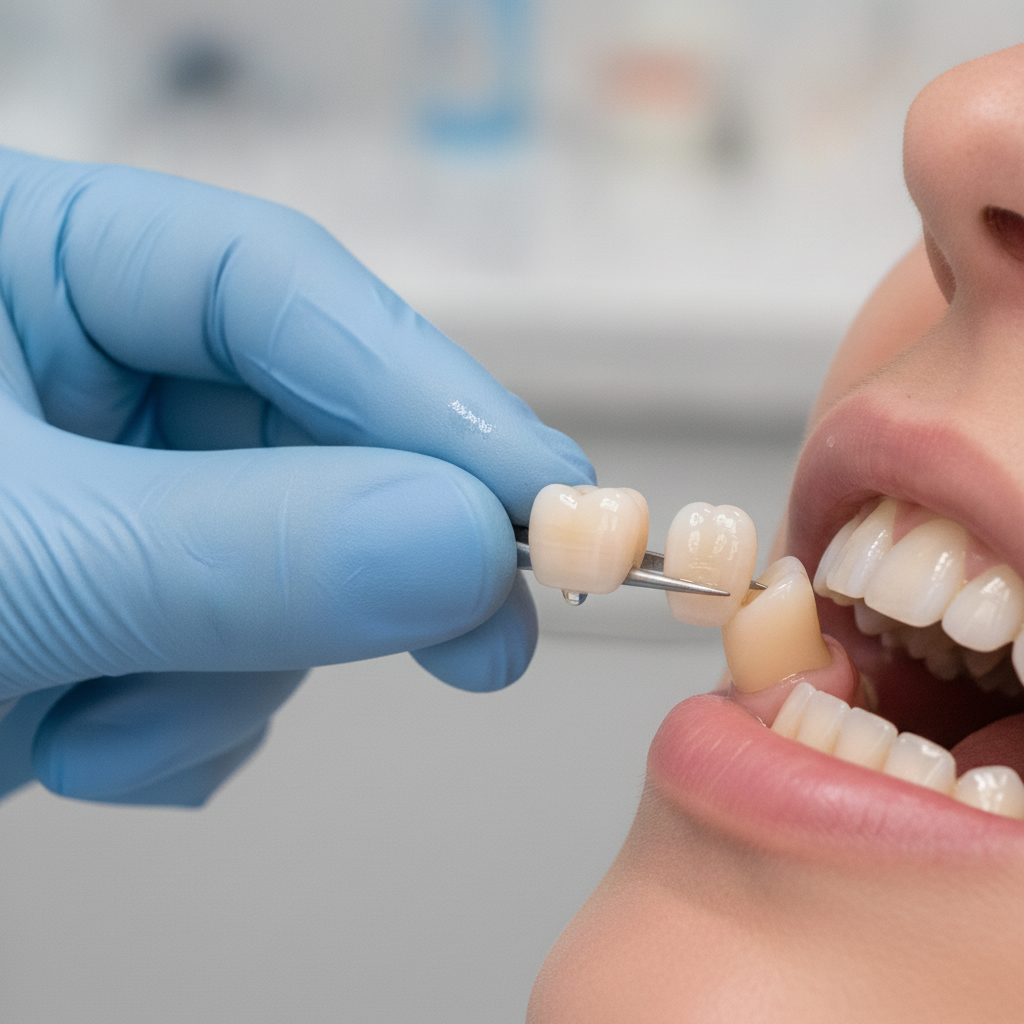
- Major Dental: This level of cover extends to more complex and costly procedures. This includes treatments such as crowns, bridges, dentures, root canal therapy, and wisdom tooth removal. Due to the higher cost of these procedures, major dental cover usually comes with higher premiums and longer waiting periods, typically 12 months, before you can claim benefits. The rebate percentage for major dental work is generally lower than for general dental, often ranging from 50-75%.
- Orthodontics: Orthodontic treatments, such as braces or aligners, are often considered a separate, higher-tier benefit within major dental or as a standalone component. These treatments can be very expensive, and cover for them often involves specific sub-limits, lifetime limits, and a waiting period of 12 months or more. Not all policies include orthodontic cover, and those that do may offer varying levels of benefit.
Key Factors When Choosing the Best Dental Insurance Australia
Selecting the best dental insurance isn’t a one-size-fits-all decision. It depends on your individual needs, your family’s oral health history, and your financial situation. Here are the critical factors to consider:
7. Age and Health Status: Younger individuals with good oral health might only need basic preventative cover, while older individuals or those with a history of dental issues might require more comprehensive major dental coverage.