How Much Does Insurance Pay for Dental Treatments?

To illustrate the typical coverage structure, consider the following table detailing common dental treatments and their average insurance coverage percentages:
How Much Does Insurance Pay for Dental Treatments? Navigating the complexities of dental insurance can often feel like a puzzle, leaving many patients wondering about the true extent of their coverage for essential treatments. Unlike medical insurance, which often covers a wide range of services with clear co-pays and deductibles, dental insurance policies can vary dramatically, impacting what you pay out-of-pocket for everything from routine cleanings to major restorative procedures. Understanding your dental plan is paramount to effectively managing your oral health costs and ensuring you receive the necessary care without unexpected financial burdens. This comprehensive guide aims to demystify dental insurance, providing clarity on how much you can expect your plan to cover and what factors influence those payments.
Understanding the Basics of Dental Insurance Plans
Dental insurance plans are primarily designed to help individuals and families afford the cost of dental care. While they share some similarities with health insurance, such as deductibles and co-pays, their structure and coverage limits are often distinct. Most dental insurance plans fall into a few primary categories, each with its own advantages and limitations.
Preferred Provider Organization (PPO)
PPO plans offer a balance of flexibility and cost savings. With a PPO, you can choose any dentist, but you’ll typically pay less if you visit a dentist within the plan’s network. In-network dentists have agreed to provide services at negotiated rates, which helps reduce your out-of-pocket expenses. When you use an out-of-network dentist, the plan may still cover a portion of the cost, but you’ll likely have to pay a higher percentage or the difference between the dentist’s charge and the plan’s allowed amount.
Dental Health Maintenance Organization (DHMO)
DHMO plans usually require you to choose a primary care dentist or a specific dental office within their network. You typically pay a low monthly premium and often have fixed co-payments for various services. Referrals are often required to see specialists. While DHMOs tend to have lower out-of-pocket costs and no deductibles or annual maximums, they offer less flexibility in choosing your dental provider.
Fee-for-Service (Indemnity) Plans
These plans offer the most freedom in choosing your dentist. You pay the dentist directly, and then you submit a claim to your insurance company for reimbursement. The insurance company pays a set percentage of the “reasonable and customary” charges for each procedure, and you are responsible for the remaining balance. These plans often come with higher premiums and may involve more paperwork.
Discount Dental Plans
It’s important to distinguish these from insurance. Discount plans are not insurance but rather membership programs where you pay an annual fee to get discounts on dental services from participating dentists. There are no deductibles, co-pays, or annual maximums, but they also don’t “pay” for treatments; they just reduce the cost.
How Much Does Insurance Pay for Dental Treatments?
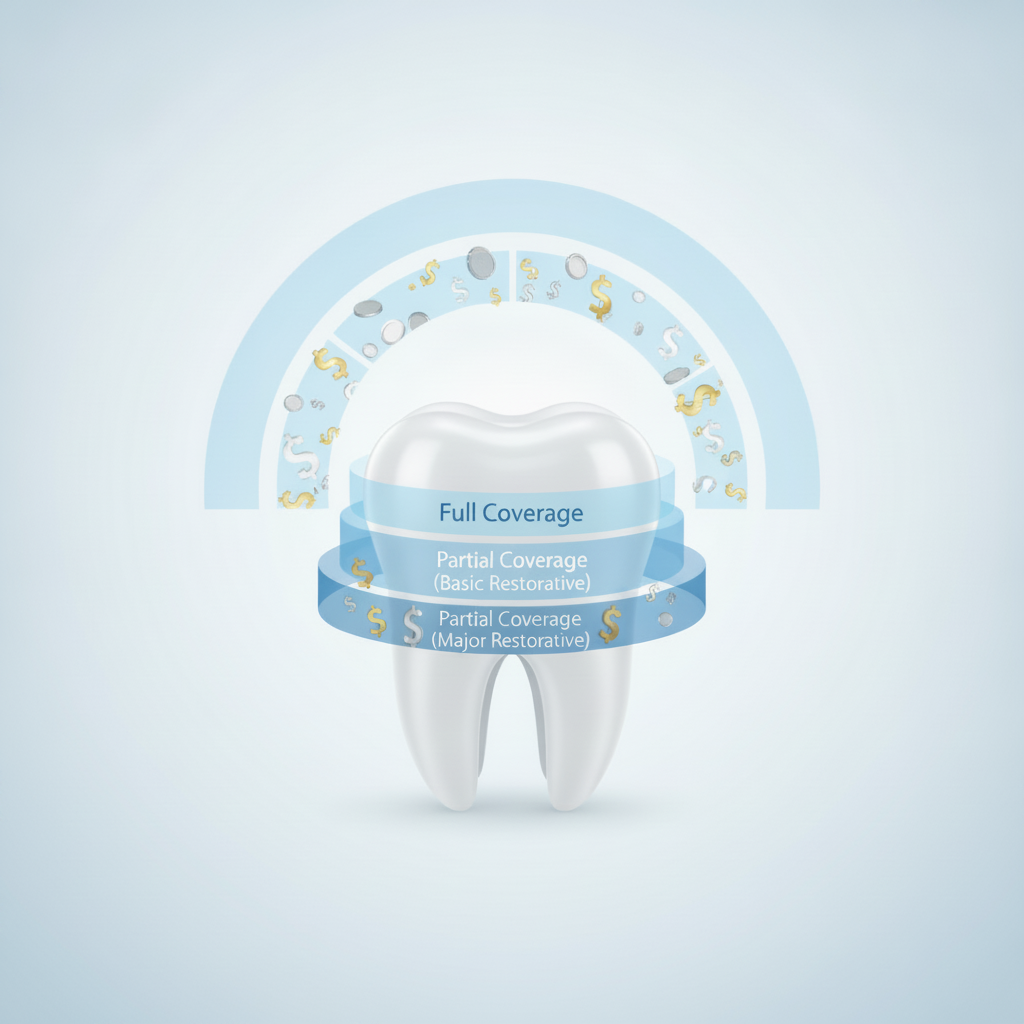
The amount dental insurance pays depends heavily on the type of treatment, your specific plan’s coverage percentages, and whether you’ve met your deductible and stayed within your annual maximum. Generally, dental treatments are categorized into three tiers of coverage:
* Preventative Care (100% Coverage): This typically includes routine check-ups, cleanings, and X-rays. Most plans cover these services fully, recognizing that preventative care is crucial for avoiding more costly problems later.
* Basic Restorative Care (70-80% Coverage): This tier often covers common procedures like fillings, simple extractions, root canals, and sometimes periodontal treatment (deep cleanings). You would pay the remaining 20-30% as coinsurance after meeting your deductible.
* Major Restorative Care (50% Coverage): This category includes more complex and expensive procedures such as crowns, bridges, dentures, and often dental implants. For these, insurance typically covers 50% of the cost, leaving you responsible for the other half.
Cosmetic dentistry (e.g., teeth whitening, veneers) and orthodontics (braces, aligners) are often not covered or have very limited coverage, especially for adults. Some plans may offer limited orthodontic benefits for children or specific types of plans may include adult orthodontics as a separate rider.
Factors Influencing Your Dental Insurance Payout
Several key terms dictate how much your insurance ultimately pays and how much you pay out of pocket:
* Deductible: This is the amount of money you must pay for covered dental services before your insurance company begins to pay. Deductibles typically range from $50 to $150 per year. Preventative care is often exempt from the deductible.
* Coinsurance: After you’ve met your deductible, coinsurance is the percentage of the cost of a covered service that you are responsible for. For example, if your plan covers basic services at 80%, you pay the 20% coinsurance.
* Annual Maximum: This is the maximum amount your dental insurance plan will pay for your dental care within a benefit period (usually a calendar year). Once you reach this limit, you are responsible for 100% of any additional costs, regardless of the procedure. Annual maximums commonly range from $1,000 to $2,000.
* Waiting Periods: Many dental insurance plans impose waiting periods, especially for major procedures. This means you must be enrolled in the plan for a certain period (e.g., 6-12 months for basic care, 12-24 months for major care) before these services are covered. Preventative care usually has no waiting period.
* Limitations and Exclusions: Plans may have limits on the number of times a service can be performed in a year (e.g., two cleanings per year) or specific exclusions (e.g., no coverage for cosmetic procedures, or specific types of implants).
* Pre-authorization: For more expensive or complex procedures, your dentist may need to submit a pre-treatment estimate or pre-authorization request to your insurance company. This confirms what the plan will cover before the treatment begins, helping you avoid surprises.
| Dental Treatment Category | Examples of Procedures | Typical Insurance Coverage Percentage (After Deductible) | Patient Coinsurance |
|---|---|---|---|
| Preventative Care | Routine Exams, Cleanings, X-rays, Fluoride Treatments | 100% | 0% |
| Basic Restorative Care | Fillings (Amalgam & Composite), Simple Extractions, Space Maintainers, Sealants, Root Canal Therapy, Periodontal Scaling & Root Planing | 70-80% | 20-30% |
| Major Restorative Care | Crowns, Bridges, Dentures, Inlays/Onlays, Dental Implants, Complex Oral Surgery | 50% | 50% |
| Orthodontics | Braces, Clear Aligners (often limited, especially for adults) | 0-50% (often with separate lifetime maximums) | 50-100% |
| Cosmetic Procedures | Teeth Whitening, Porcelain Veneers, Bonding (for aesthetic reasons only) | 0% | 100% |
This table offers a general guideline, but it’s crucial to remember that actual coverage varies significantly by plan and provider. Always consult your specific policy details or contact your insurance provider directly.
Navigating Pre-authorization and the Claims Process
For major restorative procedures, your dentist will often recommend obtaining a pre-authorization (also known as a pre-treatment estimate) from your insurance company. This is not a guarantee of payment but rather an estimate of what the insurance company will cover based on the proposed treatment plan. It allows both you and your dentist to understand the financial responsibilities before proceeding with extensive work.
The claims process typically involves your dental office submitting the claim directly to your insurance company. If the dentist is in-network, they will usually handle all the paperwork and collect your co-payment or coinsurance at the time of service. If you’re seeing an out-of-network dentist or have an indemnity plan, you might pay upfront and then submit the claim yourself for reimbursement. It’s essential to keep detailed records of all treatments, payments, and communications with your insurance provider.
Strategies for Maximizing Your Dental Insurance Benefits
To get the most out of your dental insurance, consider these strategies:
Understand Your Plan Thoroughly
Read your policy documents, or call your insurance provider directly to clarify any ambiguities regarding coverage, deductibles, annual maximums, and waiting periods. Knowing these details helps you plan your treatments effectively.
Prioritize Preventative Care
Since preventative services are usually covered at 100%, regular check-ups and cleanings are the most cost-effective way to maintain oral health and prevent more serious, expensive issues.
Utilize In-Network Providers
If you have a PPO plan, choosing an in-network dentist typically results in lower out-of-pocket costs due to negotiated rates. Many clinics, like those offering comprehensive dental procedures, strive to work with various insurance providers to maximize patient benefits.
Plan Major Treatments Around Your Annual Maximum
If you need extensive work that might exceed your annual maximum, discuss with your dentist whether it’s possible to split the treatment across two benefit periods (e.g., finish part of the treatment this year and the rest next year) to utilize two annual maximums.
Ask for Pre-treatment Estimates
Always request a pre-treatment estimate from your dentist for major procedures. This provides a clear financial roadmap before you commit to treatment.
What if You Don’t Have Dental Insurance?
For those without dental insurance, accessing affordable care might seem challenging, but several options exist:
* Payment Plans: Many dental offices offer in-house payment plans or work with third-party financing companies to break down treatment costs into manageable monthly installments.
* Discount Dental Plans: As mentioned, these can provide significant savings on dental procedures for an annual membership fee.
* Community Dental Clinics: These clinics often offer services at reduced rates based on a sliding scale according to income.
* Dental Schools: Treatment at dental schools is often performed by students under the close supervision of experienced faculty, usually at a lower cost than private practices.
* Preventative Focus: Without insurance, preventative care becomes even more critical. Prioritize brushing, flossing, and regular (even if self-funded) check-ups to avoid major issues.
The Importance of Professional Dental Care
Regardless of your insurance situation, prioritizing professional dental care is non-negotiable for overall health. Oral health is intrinsically linked to systemic health; issues like gum disease have been associated with heart disease, diabetes, and other serious conditions. Regular visits to a qualified dentist ensure early detection and treatment of potential problems, which can save you pain, time, and significant expense in the long run.

The landscape of dental insurance can be intricate, with various plans offering different levels of coverage for an array of dental treatments. While insurance can significantly reduce the financial burden of dental care, it rarely covers 100% of all procedures, especially major restorative or cosmetic ones. By understanding your policy’s specifics, utilizing preventative care, and strategically planning treatments, you can make informed decisions that safeguard both your oral health and your finances. Always engage in open communication with your dental provider and insurance company to ensure clarity on how dental insurance works and what your responsibilities are.