Public vs Private Dental Care Australia Explained
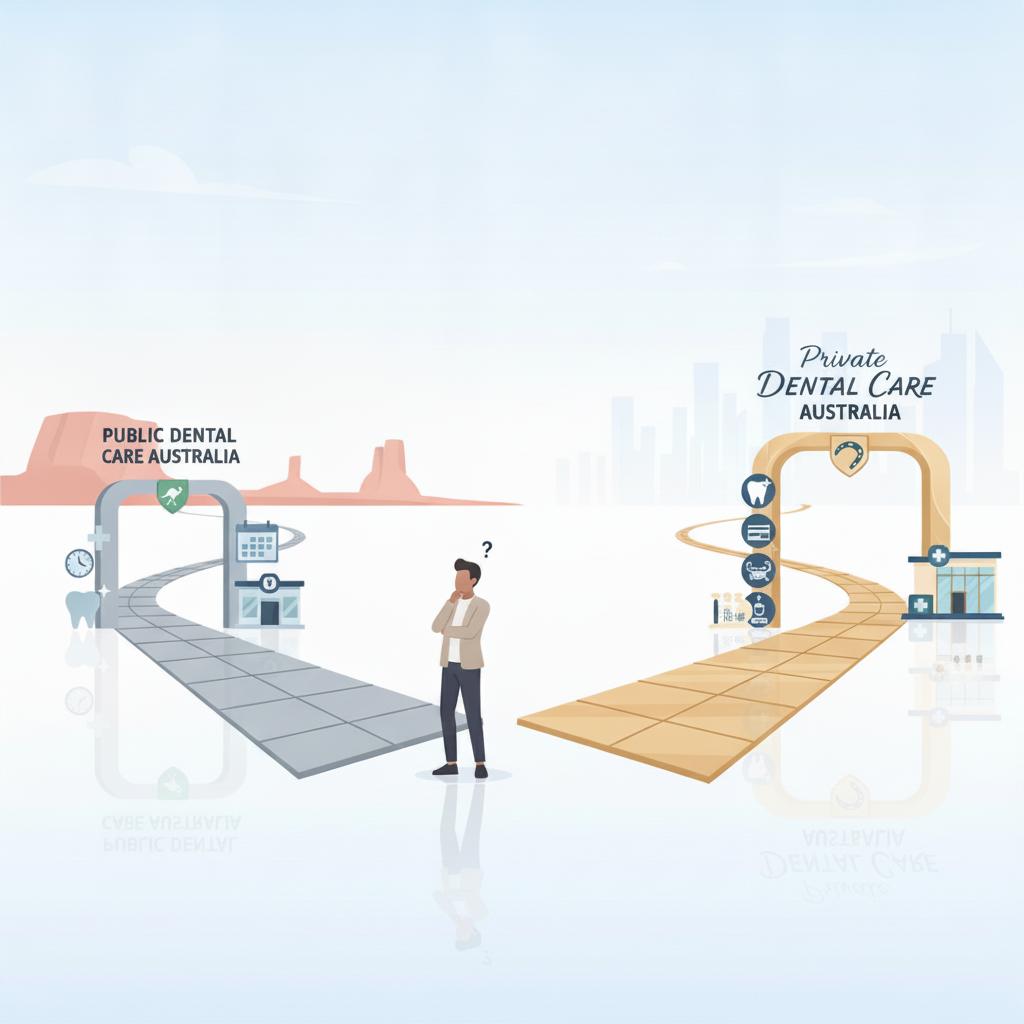
Navigating the healthcare system can be complex, and dental care in Australia presents a unique landscape with distinct public and private sectors. For many Australians, understanding the fundamental differences between these two systems is crucial for making informed decisions about their oral health. While both aim to provide necessary dental services, they operate under different funding models, eligibility criteria, service ranges, and access pathways, leading to vastly different patient experiences. This comprehensive guide will explore the intricacies of public versus private dental care in Australia, outlining their benefits, limitations, and what each option means for individuals and families seeking treatment.
Public vs Private Dental Care Australia Explained
Understanding Public Dental Care in Australia
Public dental care in Australia is primarily funded by state and territory governments, often with supplementary funding from the Commonwealth government. It is designed to provide essential and emergency dental services to eligible individuals who might otherwise face significant barriers to accessing care due to cost. The primary objective is to serve vulnerable populations, ensuring a basic level of oral health care is available.
Eligibility and Access to Public Dental Services
Access to public dental services is not universal. Eligibility criteria typically involve holding a concession card (such as a Health Care Card, Pensioner Concession Card, or Commonwealth Seniors Health Card) or meeting specific low-income thresholds. Children and young people often have broader access, with schemes like the Child Dental Benefits Schedule (CDBS) providing financial assistance for basic dental services at both public and private clinics, funded by the federal government. However, even for eligible adults, public dental care is characterised by long waiting lists for general and non-emergency treatments. Emergency dental care is usually prioritised, but availability can still vary significantly depending on the region and demand.
Services Offered in the Public System
Public dental clinics generally focus on preventative care, general dentistry, and urgent treatment. This can include examinations, X-rays, fillings, extractions, and basic cleaning. More complex procedures, such as orthodontics, extensive crown and bridge work, or advanced cosmetic dentistry, are rarely available through the public system, or only in very limited circumstances, often with even longer waiting periods or strict eligibility rules. The scope of services is designed to address immediate oral health needs and prevent deterioration, rather than offering comprehensive or elective treatments. It’s important to understand that getting free dental care in Australia is primarily limited to these public channels for specific eligible groups.
Delving into Private Dental Care in Australia
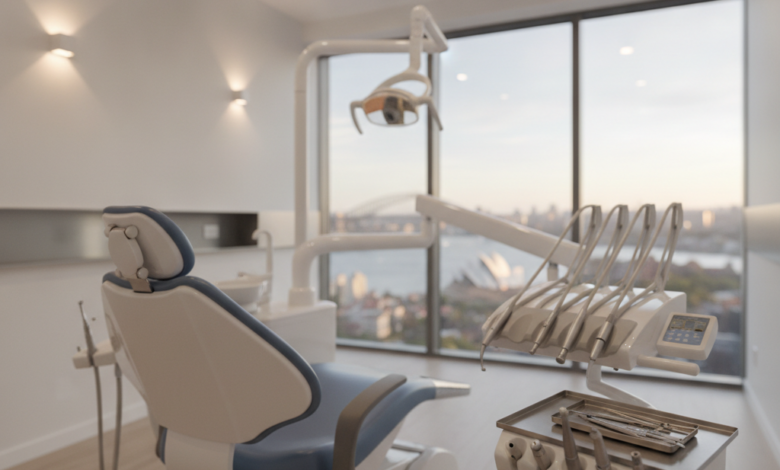
Private dental care operates on a fee-for-service model, where patients pay directly for their treatments. This sector constitutes the majority of dental practices across Australia, offering a broader range of services, greater flexibility, and often shorter waiting times compared to the public system. Patients have the freedom to choose their dentist and clinic, fostering a more personalised approach to care.
Accessibility and Range of Services in Private Clinics
Anyone can access private dental care, regardless of income or concession status. This open accessibility means that individuals can seek treatment as soon as they need it, often securing appointments within days or weeks, depending on the urgency and the clinic’s schedule. Private practices typically offer a full spectrum of dental services, from routine check-ups and preventative care to advanced cosmetic procedures like veneers and teeth whitening, orthodontic treatments, dental implants, complex restorative dentistry, and specialised surgical interventions. This extensive service offering allows for comprehensive treatment plans tailored to individual aesthetic and functional needs.
Cost and the Role of Private Health Insurance
The cost of private dental care is borne by the patient. Fees for services are set by individual practices and can vary based on location, the complexity of the procedure, and the dentist’s experience. To mitigate these costs, many Australians opt for private health insurance that includes ‘extras’ cover (also known as ancillary cover). This insurance can cover a portion of dental fees, reducing the out-of-pocket expense. However, it’s rare for private health insurance to cover 100% of dental costs, and patients usually face a ‘gap’ payment. The extent of coverage depends on the insurance policy, with different levels offering varying benefits for general and major dental work. Patients are encouraged to understand their policy’s inclusions, exclusions, annual limits, and waiting periods before commencing treatment.
Public vs Private Dental Care Australia: A Detailed Comparison
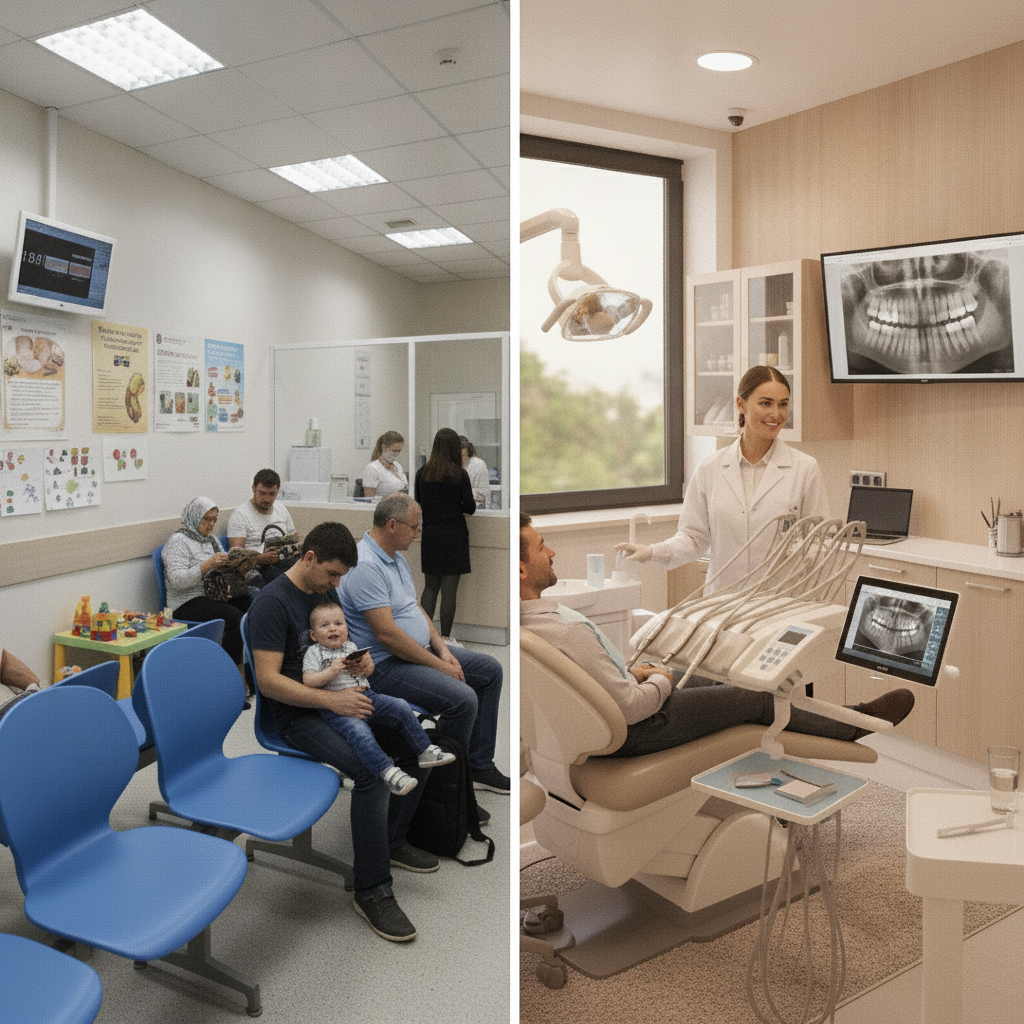
To summarise the key differences, here’s a comparative overview of public and private dental care in Australia:
| Feature | Public Dental Care | Private Dental Care |
|---|---|---|
| Funding Source | State/territory government, some Commonwealth funding | Patient fees, partially covered by private health insurance |
| Eligibility | Strict criteria (concession card holders, low-income, some children/youth) | Open to all individuals |
| Access & Wait Times | Long waiting lists for routine/non-emergency care; prioritised emergency care | Generally quick access; flexible appointments; minimal wait times |
| Service Range | Basic and emergency care (fillings, extractions, cleaning, basic X-rays) | Comprehensive range (general, cosmetic, restorative, orthodontics, implants, specialist referrals) |
| Cost to Patient | Often free or low-cost for eligible individuals | Direct fee-for-service; out-of-pocket expenses even with insurance |
| Choice of Dentist | Limited or no choice; assigned to available practitioner | Full freedom to choose preferred dentist and clinic |
| Continuity of Care | Can be inconsistent due to system pressures and staff rotation | Often excellent, fostering long-term patient-dentist relationships |
| Focus | Addressing urgent needs, preventative, basic restorative | Comprehensive oral health, aesthetics, long-term solutions, patient comfort |
The Role of Dental Insurance in Australia
Private dental insurance, typically part of an ‘extras’ health insurance policy, plays a significant role in making private dental care more affordable for many Australians. These policies are designed to cover a percentage of the costs associated with general dental services (like check-ups, cleanings, and minor fillings) and, depending on the level of cover, major dental services (such as crowns, bridges, dentures, and sometimes orthodontics). However, it’s crucial for individuals to understand that health insurance is a subsidy, not a complete solution. There are usually annual limits on claims, waiting periods for certain treatments (especially major dental), and an out-of-pocket expense, or ‘gap,’ that the patient must pay. Choosing the right policy involves balancing the premium costs against the expected benefits and potential savings on dental treatments. Understanding the nuances of private health insurance is key to managing dental expenses effectively within the private system.
Navigating Your Dental Care Options
Deciding between public and private dental care involves weighing various factors specific to an individual’s circumstances. For those who meet the strict eligibility criteria and are prepared for potential waiting lists, public dental care offers an invaluable service, ensuring essential treatments are accessible at minimal or no cost. It is a lifeline for vulnerable populations and critical for emergency interventions.
Conversely, private dental care caters to those who seek immediate access, a broader range of services, and the ability to choose their preferred practitioner. It is often the preferred choice for comprehensive oral health management, aesthetic improvements, and complex dental work requiring specialist attention. The investment in private care typically translates into greater flexibility, continuity of care, and potentially more advanced treatment options.
Making an Informed Decision
* **Eligibility:** Do you qualify for public dental services?
* **Urgency:** How quickly do you need treatment?
* **Budget:** What are your financial resources for dental care? Do you have private health insurance with dental cover?
* **Treatment Needs:** Are you seeking basic preventative care, emergency treatment, or complex cosmetic/restorative work?
* **Choice and Continuity:** Is having a choice of dentist and a consistent relationship important to you?
For many Australians, a hybrid approach emerges, utilising public services for eligible children or in emergencies if they qualify, while opting for private care for their ongoing routine checks, cosmetic enhancements, or complex procedures that the public system does not offer or has extensive waits for. The Australian dental landscape, with its dual public and private systems, reflects a national effort to balance affordability, access, and comprehensive care, albeit with inherent trade-offs for patients.
Ultimately, the choice between public and private dental care is a personal one, influenced by individual circumstances, financial capacity, and specific oral health needs. Understanding the unique characteristics of each system, as provided by resources like the Australian Dental Association or governmental health departments, empowers individuals to make the best possible decision for their dental well-being. Detailed information on Australia’s dental health policies can be further explored through authoritative sources such as Wikipedia’s section on Dental Health within Healthcare in Australia, providing deeper insights into the broader context of the national system.
When making a decision, consider the following: