Why Dental Care Is Not Fully Covered in Australia

Why Dental Care Is Not Fully Covered in Australia
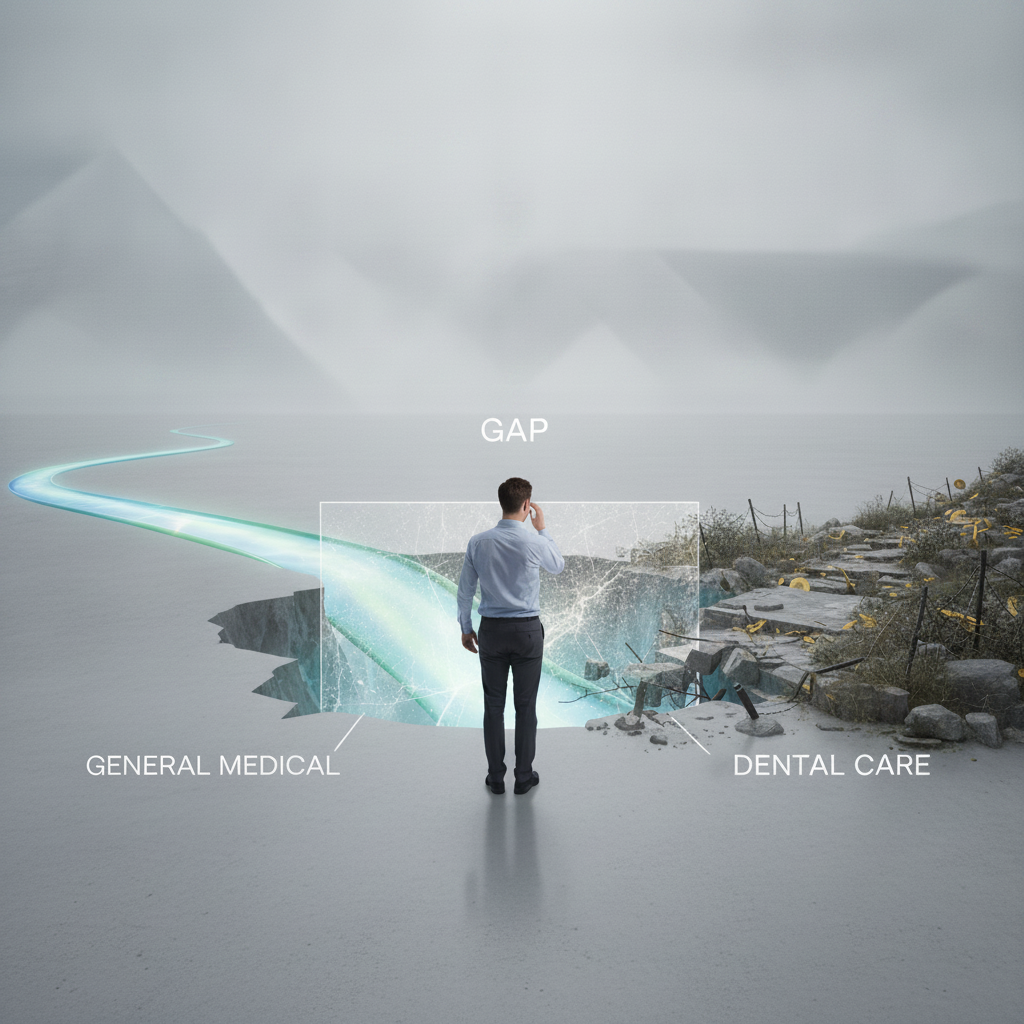
The state of dental care coverage in Australia is a common point of confusion and frustration for many residents. Unlike general medical services, which benefit from significant subsidization through Medicare, dental treatment largely remains an outofpocket expense. This stark contrast often leads to delayed treatments, exacerbated conditions, and a significant financial burden on individuals and families. Understanding the intricate layers of Australia’s healthcare system, particularly as it pertains to oral health, is crucial for comprehending why comprehensive dental care remains an elusive benefit for the average Australian.
Understanding Australia’s Healthcare Landscape
Australia operates a hybrid healthcare system that combines universal public health insurance (Medicare) with a robust private health sector. Medicare provides free or subsidized access to a wide range of medical services, including GP visits, specialist appointments, and public hospital care. However, when it comes to dental care, Medicare’s role is severely limited. This fundamental distinction is at the heart of the coverage gap. Historically, dental care has been viewed differently from general medical care in policy, often categorized more as an elective or ancillary service rather than an essential health service requiring universal coverage. This perspective has shaped the legislative framework and funding priorities over decades.
Why Dental Care Is Not Fully Covered in Australia: The Medicare Gap
Medicare primarily covers general medical services, with only very specific and limited dental benefits. For most adults, routine dental check-ups, cleanings, fillings, extractions, and more complex procedures like root canals or crowns are not covered. The exceptions typically fall into a few narrow categories:
* **Public Dental Services:** These are usually means-tested and prioritized for concession card holders, children, and specific emergency cases. Waiting lists for public dental clinics can be notoriously long, sometimes extending for months or even years for non-urgent procedures, leading to deteriorating oral health.
* **Children’s Dental Benefits:** The Child Dental Benefits Schedule (CDBS) provides some capped benefits for basic dental services for eligible children aged 2-17. However, this is not a universal entitlement and has specific financial eligibility criteria and benefit limits.
* **Specific Medical Conditions:** In very rare instances, dental treatment required due to a severe medical condition might be covered under Medicare if performed in a hospital setting by a specialist, but this is far from general coverage.
This limited scope means that for the vast majority of working adults, the cost of dental treatment must be borne out of their own pocket, unless they have private health insurance with dental cover.
The Role of Private Health Insurance in Dental Coverage
Given the significant gaps in Medicare, many Australians turn to private health insurance to mitigate dental costs. Private health insurance in Australia is divided into two main categories: Hospital Cover and Extras Cover. Dental services fall under “Extras Cover,” which also includes services like physiotherapy, optical, and chiropractic treatments.
However, private dental insurance is not a panacea. Several factors limit its effectiveness:
* **Varying Levels of Cover:** Different “Extras” policies offer varying levels of dental cover. Basic policies might only cover a small percentage of preventative services (e.g., check-ups and cleans), while higher-tier policies might include some coverage for major dental work (e.g., crowns, bridges, dentures).
* **Annual Limits:** All private dental insurance policies come with annual limits. Once these limits are reached, the individual is responsible for 100% of any further costs within that year. These limits can often be quite low, particularly for major dental procedures, quickly exhausted by a single complex treatment.
* **Waiting Periods:** New members typically face waiting periods before they can claim benefits, especially for major dental work. This might be a few months for general dental and up to 12 months for major procedures.
* **Out-of-Pocket Expenses (The Gap):** Even with private health insurance, patients almost always pay an “out-of-pocket” expense, or a “gap,” which is the difference between the dentist’s fee and the rebate provided by the insurer. This gap can still be substantial, particularly for expensive treatments.
* **Increasing Premiums:** The cost of private health insurance premiums has consistently risen, making it a significant financial commitment for many households, especially for families who might only see a modest return on their investment compared to their out-of-pocket dental costs.
Historical and Policy Context: Why the Divide?
The historical separation of dental care from general medical care dates back to the establishment of Medicare. Dental services were largely excluded due to complex factors including:
* **Cost Implications:** Bringing comprehensive dental care under Medicare would involve a massive financial outlay, potentially straining the public health budget significantly.
* **Professional Resistance:** Historically, there was some resistance from the dental profession to being fully integrated into a publicly funded system, preferring a fee-for-service model.
* **Perception of Preventability:** There has been a lingering perception that many dental issues are preventable through good oral hygiene, implying a greater degree of individual responsibility compared to, say, a sudden illness or accident. However, this overlooks genetic predispositions, socio-economic factors, and the chronic nature of some oral diseases.
* **State vs. Federal Responsibilities:** Healthcare funding in Australia involves both federal and state governments. Dental care has often fallen into a jurisdictional grey area, with public dental services primarily funded and managed by state and territory governments, leading to inconsistencies across different regions.
The Impact on Public Health and Equity
The limited coverage has profound implications for public health and health equity in Australia. The high cost of dental care disproportionately affects lower-income individuals and those in regional or remote areas where access to affordable dental services is even more challenging.
* **Delayed Treatment:** Many Australians postpone necessary dental work due to cost, leading to minor issues escalating into more severe and expensive problems, such as infections requiring root canals or extractions.
* **Impact on General Health:** Poor oral health is linked to a range of systemic health issues, including heart disease, diabetes, and respiratory problems. The inability to access affordable dental care can therefore have broader negative impacts on overall well-being.
* **Mental and Social Impact:** Chronic dental pain, missing teeth, or cosmetic dental issues can significantly affect an individual’s quality of life, confidence, nutrition, and employability.
* **Preventative Care Neglect:** When facing high costs, many people forgo preventative care like regular check-ups and cleans, which are vital for maintaining good oral health and preventing costly future problems. This cycle perpetuates poor oral health outcomes.
Calls for Reform and Future Outlook
There have been ongoing calls from health organizations, dental associations, and consumer groups for greater integration of dental care into Medicare or for a more comprehensive national dental health scheme. Arguments for reform often highlight:
* The essential nature of oral health to overall health.
* The economic benefits of preventative care in reducing future complex health costs.
* The ethical imperative of ensuring equitable access to basic health services.
While significant reforms have been slow, there have been incremental changes, such as the CDBS for children and increased funding for public dental services in some states. Discussions continue around models that could offer broader dental coverage, potentially through an expanded Medicare scheme or a new national insurance model specifically for oral health. However, any major overhaul would require substantial political will and significant financial investment.
Navigating the Australian dental care system requires a clear understanding of what is and isn’t covered. For detailed information on specific coverage under private insurance or Medicare eligibility for dental treatments, a good starting point is to understand the limitations of public funding and the varying benefits offered by private health funds. You may also wish to explore resources such as Does Medicare Cover Dental Treatment in Australia? to gain further clarity on specific provisions. The current system places a considerable responsibility on individuals to manage their oral health finances, often necessitating a combination of private insurance and out-of-pocket payments to access timely and comprehensive care. Understanding these complexities empowers individuals to make informed decisions regarding their oral health and financial planning.

The challenges surrounding dental care coverage in Australia highlight a broader debate about the scope of universal healthcare and the definition of essential health services. As healthcare costs continue to rise and the population ages, the discussion around making dental care more accessible and affordable for all Australians will undoubtedly continue to be a pressing issue. For more general information on healthcare systems, individuals can consult authoritative sources such as Wikipedia’s entry on Healthcare in Australia for a broader context.