Turkey vs Bali: Best Aussie Dental Tourism
Editorially reviewed.

Turkey vs Bali: Best Aussie Dental Tourism has become a critical question for thousands of Australians seeking affordable, high-quality dental care outside their home country. With local dental costs continuing to soar, the prospect of combining a holiday with transformative dental work is more appealing than ever. The practice, known as dental tourism, has exploded in popularity, often offering lower prices on major procedures. Two destinations consistently emerge as top contenders for the Aussie dollar: Turkey, a global hub for medical excellence, and Bali, a long-favoured holiday spot. While both offer sun and savings, a deeper analysis reveals significant differences in technology, specialisation, and overall value, particularly for complex dental reconstructions. This comprehensive guide will dissect every aspect of dental treatment in both locations to help you make an informed decision for your smile and your wallet.
Why Turkey is a Global Leader in Dental Excellence
For decades, Turkey, and particularly Istanbul, has meticulously built a reputation as a destination for medical and dental procedures. This isn’t by accident; it’s the result of strategic government investment in healthcare infrastructure, rigorous educational standards for dentists and surgeons, and a commitment to adopting the latest medical technologies.

Advanced Technology and JCI-Accredited Clinics
One of the primary differentiators for Turkey is its emphasis on internationally recognised standards. Some dental clinics in Istanbul are JCI (Joint Commission International) accredited, a gold standard for patient safety and quality of care. This accreditation means the facility is held to the same high standards as top hospitals in the United States and Western Europe. Clinically, this commitment is visible through the technology used. Some Turkish clinics are equipped with modern diagnostic and treatment tools, including 3D cone-beam computed tomography (CBCT) for precise implant planning, CAD/CAM systems for in-house milling of crowns and veneers in a single day, and digital smile design software that allows patients to preview their new smile before treatment even begins. This technological edge ensures precision, reduces treatment time, and improves long-term outcomes.
Comprehensive Dental Treatments Available
Turkey excels in providing a full spectrum of complex and cosmetic dental services. It is a hub for full-mouth rehabilitations, where patients require extensive work to restore function and aesthetics. The services are not limited to simple fillings or cleanings; clinics specialise in high-value procedures. This includes sophisticated dental implant solutions like All-on-4 and All-on-6, which replace an entire arch of teeth with a permanent prosthesis supported by just a few implants. The materials used are sourced from well-known brands from Germany, Switzerland, and the USA, ensuring durability and a natural appearance.
The Cost Advantage: Unbeatable Value for Money
The financial incentive is undeniably a powerful motivator. The cost of living and operating a high-end dental clinic in Turkey is significantly lower than in Australia. This, combined with favourable currency exchange rates, allows clinics to offer premium services without the exorbitant price tag. For a full set of veneers, the savings can easily run into tens of thousands of dollars.
Exploring Bali as a Dental Holiday Destination
Bali has long been a beloved holiday destination for Australians due to its proximity, tropical climate, and relaxed atmosphere. Naturally, as dental tourism grew, clinics emerged to cater to this steady stream of visitors. The island offers a compelling proposition: get a crown or a few veneers while enjoying a beachside vacation. However, when comparing it to a specialised medical hub like Turkey, it’s crucial to look beyond the convenience and assess the clinical realities.
The Appeal of a Tropical Paradise
The primary advantage of Bali is its familiarity and short travel time from Australia. Many Aussies have visited before and are comfortable with the environment. The idea of recovering from a dental procedure by a pool in a villa is incredibly attractive. This makes Bali a strong choice for those seeking minor dental work that can be easily integrated into a traditional holiday. The convenience of a direct, relatively short flight cannot be overstated for those with limited time off work.
Dental Standards and Clinic Variability
While there are certainly reputable and professional dental clinics in Bali, the overall standard and regulatory oversight can be more variable than in Turkey. The industry is less centralised and not as heavily focused on attracting patients for highly complex, multi-stage procedures. Finding a clinic with the same level of accreditation, technology (like in-house CAD/CAM labs), and specialist surgeons as a top Istanbul facility can be more challenging. Patients must conduct extremely thorough research to vet individual clinics, as the quality can range significantly from one practice to another.
Cost and Procedure Limitations
Bali is undoubtedly cheaper for dental work than Australia. However, for major restorative and cosmetic cases, the cost savings may not be as dramatic as those found in Turkey. More importantly, the range of available treatments and the depth of specialisation might be more limited. Clinics may be well-equipped for single implants, crowns, and veneers, but fewer will have the extensive experience and dedicated surgical teams for complex procedures like full-mouth implant rehabilitations (All-on-4/6) or intricate smile makeovers requiring 20+ veneers. The supply chain for specific high-end European materials and implant systems may also be less established.
Head-to-Head Comparison: Turkey vs. Bali for Aussies
To make the decision clearer, a direct comparison of the key factors for an Australian patient is essential. The choice often comes down to the complexity of the required treatment and the patient’s priorities.
| Factor | Turkey (Istanbul) | Bali (Denpasar/Kuta) |
|---|---|---|
| Quality & Standards | Extremely high, with many JCI-accredited clinics. Strong government regulation and oversight of the medical tourism sector. | Variable. Good clinics exist but require diligent research. Regulatory standards can be less stringent than in Turkey’s dedicated medical hubs. |
| Technology & Materials | Modern technology is standard (3D CBCT, CAD/CAM, Digital Smile Design). Use of premium global brands (e.g., Straumann, Nobel Biocare, E-max). | Technology varies by clinic. Access to the most advanced systems and a wide range of premium materials might be limited compared to Istanbul. |
| Treatment Specialisation | Commonly offers complex, full-mouth restorations, dental implants (All-on-4/6), and complete cosmetic smile makeovers. | Generally better suited for less complex procedures like single crowns, bridges, teeth whitening, and a small number of veneers. |
| Cost for Major Procedures | Often lower prices than in Australia for extensive work, though the difference varies by procedure and clinic. The potential to save significantly on procedures like dental implants is a major factor. | Often cheaper than Australia, depending on the treatment and clinic. May not be as cost-effective as Turkey for large-scale treatments. |
| Travel & Logistics | Long-haul flight (~20 hours with layover). However, clinics offer all-inclusive packages (airport transfers, 5-star hotels, local transport), simplifying logistics. | Short-haul flight (~6-7 hours direct). Easier for a quick trip, but patients often manage their own accommodation and transport logistics. |
| Tourist Experience | A rich cultural and historical experience. Explore ancient sites, Turkish cuisine, and the unique blend of European and Asian cultures in Istanbul. | A relaxed, tropical beach holiday experience. Focused on relaxation, surfing, yoga, and nightlife. |
The Patient Journey: What to Expect in Turkey
Choosing Turkey for dental work involves a streamlined and patient-focused process designed to be as stress-free as possible, even from thousands of kilometres away in Australia.
Initial Consultation and Planning
The journey begins with a free online consultation. Patients typically send photos of their teeth and any recent X-rays to the clinic. A team of dental specialists reviews the case and schedules a video call to discuss treatment goals. Based on this, they create a detailed, personalised treatment plan and a transparent, all-inclusive quote. This means the price you are quoted covers the entire procedure, with no hidden fees.
Arrival and Accommodation
Upon arrival at Istanbul Airport (IST), a transfer service is waiting to take you directly to your pre-booked 5-star hotel, which is often part of the dental package. A patient coordinator, fluent in English, acts as your personal guide throughout your stay, managing all appointments and transportation between the hotel and the clinic. This removes the stress of navigating a new city, allowing you to focus purely on your treatment and recovery.
The Treatment Phase
At the clinic, you will have a final in-person examination and confirmation of the treatment plan. For procedures like implants, the surgery is performed by a specialised oral and maxillofacial surgeon in a sterile, modern operating theatre. For cosmetic work like veneers, meticulous preparation and digital impressions are taken. Thanks to in-house labs, high-quality porcelain veneers or crowns can often be crafted and fitted within a few days, shortening the overall trip duration. The focus is on efficiency without compromising on precision or quality.
Making the Smart Choice for Your Dental Tourism Journey
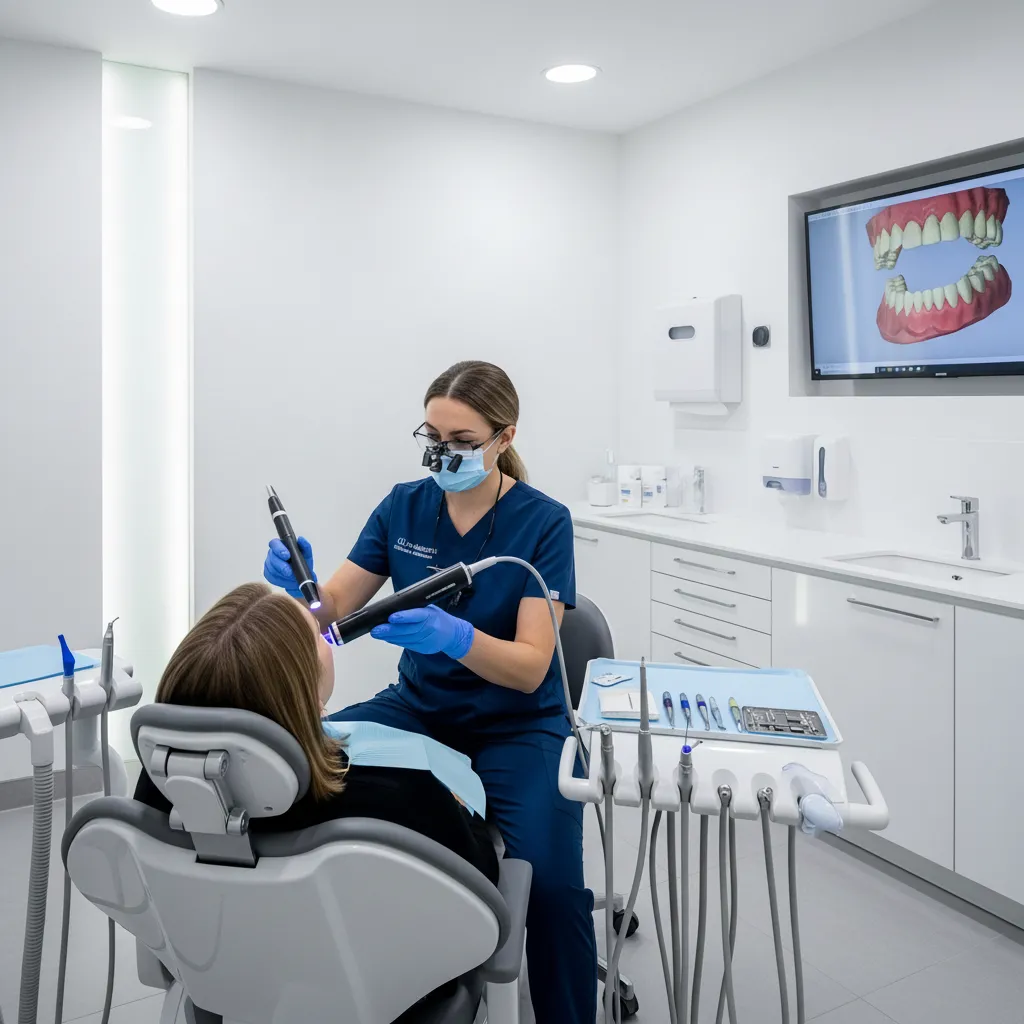
When weighing Turkey against Bali, the decision hinges on the scope of your dental needs. The logistical support provided by some clinics, with all-inclusive packages, further enhances the experience, transforming a daunting medical trip into a seamless, well-managed journey. While Bali offers a convenient and pleasant option for minor treatments intertwined with a classic holiday, Turkey provides the clinical depth and excellence required for life-changing dental transformations.
Weighing up Asia as well? Our sister guide for readers across the Tasman compares Turkey and Thailand for dental implants from New Zealand.
Frequently asked questions
What should I check before having dental treatment overseas?
The Australian Dental Association suggests checking whether the practitioner's qualifications, infection control, materials, rebate eligibility and complaint options are equivalent to those in Australia. Source: Australian Dental Association: Policy Statement 2.2.6 – Elective overseas dental treatment
Will my health fund or travel insurance cover overseas dental work?
Treatment overseas may not be covered by Australian health funds, and travel insurance may not cover complications from planned treatment. Check both before you book. Source: Australian Dental Association: Policy Statement 2.2.6 – Elective overseas dental treatment
What happens if I have a problem after I get home?
Follow-up care in Australia is usually at your own cost unless agreed otherwise. Ask the overseas clinic for its warranty and remedial-treatment terms in writing, and keep copies of your X-rays, treatment notes and material details.
How many trips will I need?
It depends on the treatment. Crowns or veneers can often be completed in one stay, while implants usually need two trips several months apart. Your written treatment plan should state this.