Dental Implants in Istanbul: Costs and What to Check
Editorially reviewed. Dental review: scheduled, not yet completed for this article.

Understanding the Dental Implant Procedure
A dental implant is a sophisticated medical device designed to replace a missing tooth from root to crown. It is the only tooth replacement option that mimics the natural structure and function of a real tooth, preserving jawbone health and providing good stability. The entire process is a marvel of modern bioengineering, centred around a biological phenomenon known as osseointegration.
What is a Dental Implant?
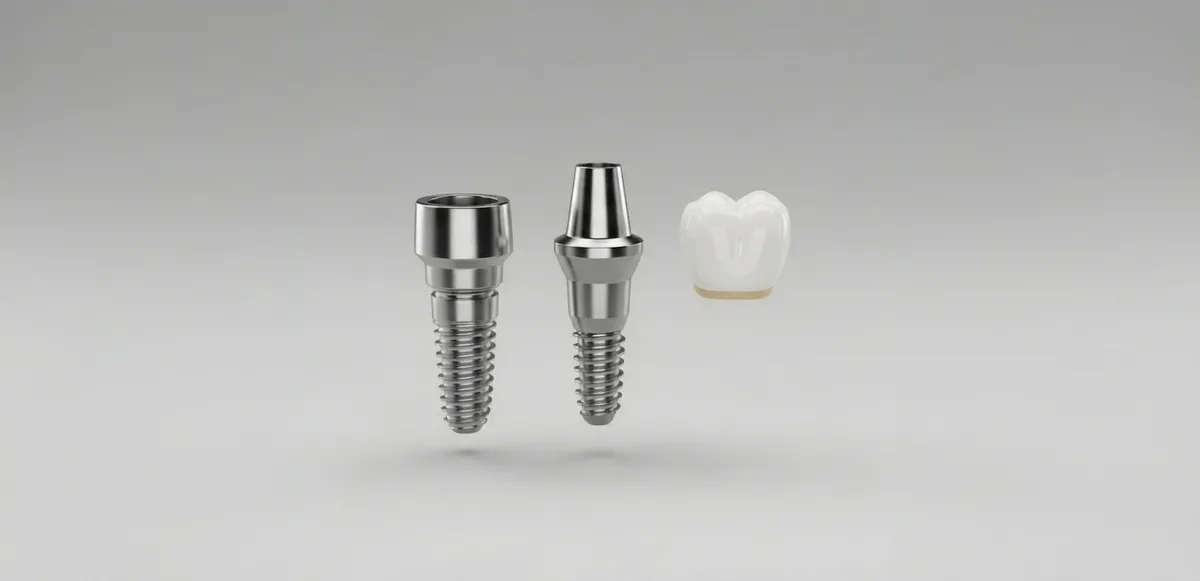
A complete dental implant system consists of three primary components working in harmony to restore your smile:
- The Implant Post: This is a small, screw-like post typically made from biocompatible titanium. It is surgically placed into the jawbone, where it functions as a new tooth root. Titanium is the material of choice due to its proven ability to fuse directly with bone tissue in a process called osseointegration, creating an incredibly strong and stable foundation.
- The Abutment: After the implant has fully integrated with the jawbone, a connector piece called an abutment is attached to the top of the implant post. This component protrudes just above the gum line and serves as the docking point for the final restoration.
- The Crown: The final, visible part of the restoration is the custom-made dental crown. Designed to match the colour, shape, and size of your surrounding natural teeth, the crown is securely attached to the abutment, completing the new tooth. The result is a seamless, natural-looking tooth that functions just like the original.
The Step-by-Step Treatment Journey
The journey to receiving dental implants in Istanbul is a meticulously planned process, ensuring patient comfort, safety, and optimal outcomes. It typically involves two short trips to the city, spaced a few months apart to allow for the crucial healing period.
Phase 1: Consultation and Implant Placement
Your treatment begins with a comprehensive consultation. This involves detailed diagnostic imaging, including panoramic X-rays and 3D Cone Beam Computed Tomography (CBCT) scans. These scans allow the dental surgeon to assess your jawbone density, identify the precise location for the implant, and create a personalised treatment plan. During this first visit, the surgical placement of the titanium implant post occurs. This is a minor surgical procedure performed under local anaesthesia, which keeps discomfort to a minimum for most patients. The surgeon makes a small incision in the gum, prepares the bone, and carefully inserts the implant. The gum is then sutured closed over the implant.
Phase 2: Healing and Osseointegration
Following the placement, a critical healing period begins, which typically lasts from 3 to 6 months. During this time, the process of osseointegration takes place as the jawbone grows around and fuses with the titanium implant. This bond is what gives dental implants their incredible strength and longevity. Patients return home during this phase and can wear a temporary denture or bridge if necessary.
Phase 3: Abutment and Crown Fitting
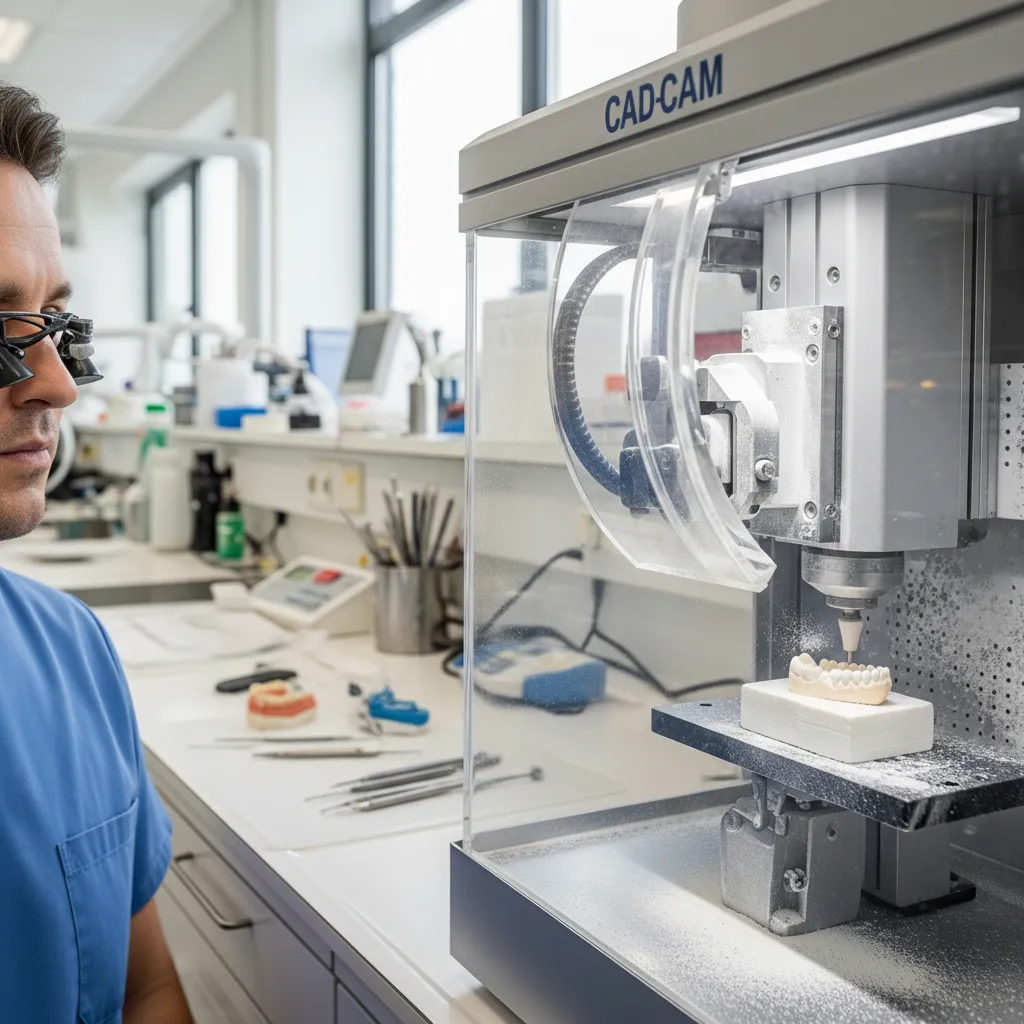
Once osseointegration is complete, you will return to Istanbul for the final stage. The dentist will make a small incision to expose the implant and attach the abutment. Impressions of your mouth are then taken to custom-fabricate your permanent crown. Using advanced CAD/CAM technology, the dental laboratory creates a high-quality porcelain or zirconia crown that fits perfectly and blends seamlessly with your natural teeth. The final crown is then secured to the abutment, completing your smile restoration.
Why Choose Dental Implants in Istanbul?
The decision to travel for medical treatment is significant, but Istanbul presents a compelling case built on quality, technology, and exceptional value. The city’s dental sector is not about cheap compromises; it is about providing access to a superior standard of care at a more reasonable cost.
Cost: Why Quotes Differ
The primary driver for many international patients is the substantial cost savings. This financial accessibility means patients no longer have to delay essential dental work or settle for less optimal solutions like dentures or bridges.
Technology and Materials
Clinics in Istanbul are equipped with the latest dental technology. From 3D CBCT scanners for precise planning to computer-aided design and manufacturing (CAD/CAM) for creating perfectly fitted crowns, the investment in technology ensures accuracy, efficiency, and superior results. Furthermore, reputable clinics exclusively use globally recognised, premium implant brands such as Straumann and Nobel Biocare. Ask for any warranty terms in writing before you pay.
Checking the Dentist’s Training and Experience
Turkish dentists and oral surgeons undergo extensive education and rigorous training, with many pursuing postgraduate specialisations in prosthodontics and implantology at international universities. They are often members of global dental associations and are well-versed in the latest techniques and protocols.
Are You a Suitable Candidate for Dental Implants?
While dental implants are a highly successful and versatile solution, they are not suitable for everyone. A thorough evaluation is necessary to determine candidacy. The ideal candidate generally possesses good overall and oral health. Key factors include sufficient jawbone density to support the implant, healthy gums free from periodontal disease, and a commitment to maintaining excellent oral hygiene. Conditions like uncontrolled diabetes, certain autoimmune disorders, or a history of radiation therapy to the head and neck area may affect the healing process and require careful consideration.
The Cost Advantage: A Detailed Comparison
The table below lists what usually changes the cost and what to ask for in a written quote.
| Treatment or item | What usually changes the cost | What to ask for in your written quote |
|---|---|---|
| Single Titanium Dental Implant (Complete) | Implant system, whether a bone graft is needed, abutment and crown material, number of visits | The implant brand and system, crown material, and what follow-up and repairs are included |
| Bone Graft (if required) | Graft material and amount, and whether it is done with the implant or separately | Whether a graft is likely in your case, based on a 3D (CBCT) scan |
| Sinus Lift (if required) | Amount of bone needed, technique and extra healing time | Whether a sinus lift is planned and how it changes the timeline |
We do not publish price figures without a dated source. Costs vary by clinic, materials and your individual case, so ask for a written, itemised quote.
What Drives Implant Costs in Australia
- Clinical complexity: extra procedures such as bone grafting or a sinus lift add to the bill.
- Materials and implant system: premium implant brands and crown materials cost more.
- Practice overheads: wages for qualified staff, commercial rent, professional indemnity insurance and imported equipment are all expensive in Australia.
- Limited cover: Medicare does not cover implants for most adults, and private extras policies usually pay only a modest amount towards major dental work, subject to annual limits and waiting periods.
Risks and Practical Points for Australians
- Long flights after surgery: flights to Istanbul from Australia involve at least one stopover and usually more than 20 hours of travel. Sitting for long periods after surgery raises the risk of blood clots, and swelling or bleeding can be harder to manage in transit. Ask the treating dentist how soon you can safely fly.
- Complications and follow-up: infection, implant failure or problems with the crowns can occur anywhere. If something goes wrong after you return, you may face the cost of local repairs or another trip.
- Insurance: many travel insurance policies exclude planned medical treatment overseas and its complications. Check the policy wording carefully, and check Smartraveller for current travel advice.
- Legal recourse: dentists in Turkey are not registered with AHPRA, so Australian complaint mechanisms do not apply.
- Treatment pace: be cautious about plans that compress a lot of surgery into a very short stay or recommend extensive work you were not expecting.
How to Check a Clinic Before You Commit
- Qualifications and experience of the dentist who will actually place the implants, including any specialist training in oral surgery or prosthodontics.
- Accreditation and licensing of the clinic with the Turkish health authorities.
- The implant system and crown materials used, named in writing.
- A written treatment plan with an itemised, transparent price and what happens if extra procedures become necessary.
- A clear aftercare and complications policy, including what is covered if an implant fails and who pays for any return trip.
- Copies of your X-rays, CBCT scans and implant records to take home for your Australian dentist.
For more background on planning a trip, see our detailed guide for Australians considering implants in Turkey.
Further reading
- Policy Statement 2.2.6 – Elective Overseas Dental Treatment — Australian Dental Association
- Cosmetic dentistry and teeth whitening — Better Health Channel (Victorian Government Department of Health)
- Seeing a dentist or other dental practitioner — Better Health Channel (Victorian Government Department of Health)
Recovery and Aftercare for Lasting Results
Proper care following your implant surgery is essential for a smooth recovery and the long-term health of your investment. Adhering to your surgeon’s post-operative instructions will minimise complications and promote successful osseointegration.
The Immediate Post-Operative Period
In the first few days after surgery, it is normal to experience some mild swelling, bruising, and discomfort, which can be easily managed with prescribed pain medication and cold compresses. You will be advised to eat a soft food diet, avoid strenuous activity, and refrain from smoking, as it can significantly impair the healing process. Maintaining gentle but thorough oral hygiene around the surgical site is crucial to prevent infection.
Long-Term Maintenance
One of the greatest advantages of dental implants is their longevity. With proper care, they are designed to last a lifetime. This care is no different from what is required for natural teeth: consistent brushing twice a day, daily flossing, and regular dental check-ups and cleanings. While the implant itself cannot decay, the surrounding gum tissue can still be susceptible to inflammation or infection (peri-implantitis) if neglected. Excellent oral hygiene ensures the continued health of your gums and jawbone, which are the foundation of your implant’s stability. With proper maintenance, dental implants demonstrate remarkably high long-term success rates as documented in extensive clinical research. Many clinics offer comprehensive and affordable dental packages that include accommodation and transfers, simplifying the entire process for international patients and making high-quality care more accessible than ever. This holistic approach ensures that restoring your smile is a seamless and stress-free experience from start to finish.