Teeth Whitening Australia – How It Works
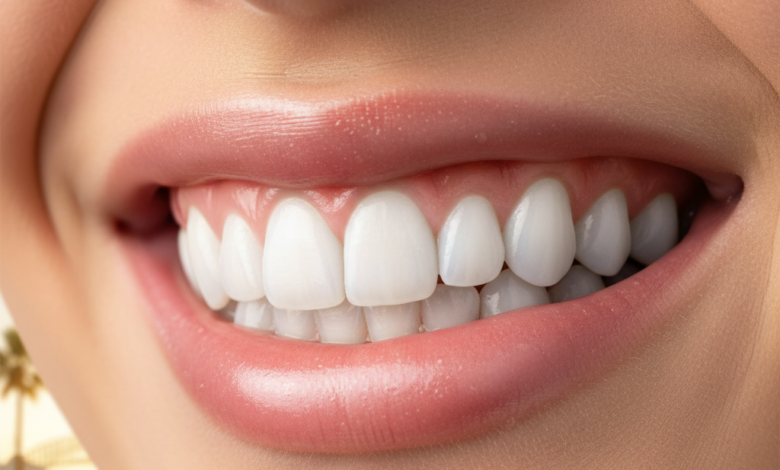
Achieving a dazzling, bright smile has become a highly sought-after aesthetic goal for many Australians. In a country where sunshine and outdoor living are part of the lifestyle, a radiant smile complements the vibrant spirit. Teeth whitening, a popular cosmetic dental procedure, offers an effective solution to combat discoloration and rejuvenate one’s appearance. Understanding the process, the available options, and what to expect is crucial for anyone considering this transformative treatment. This guide delves into the specifics of teeth whitening in Australia, outlining how it works and what you need to know to make an informed decision about enhancing your smile.
Teeth Whitening Australia – How It Works
Understanding Teeth Discoloration
Before exploring how teeth whitening works, it’s important to understand why teeth become discolored in the first place. Stains can be broadly categorized into two types: extrinsic and intrinsic.
Extrinsic stains are superficial, affecting the outer layer of the tooth enamel. These are typically caused by factors such as:
- Food and Drinks: Coffee, tea, red wine, dark berries, and highly pigmented sauces are notorious for staining enamel.
- Tobacco Use: Smoking or chewing tobacco can lead to stubborn yellow or brown stains.
- Poor Oral Hygiene: Inadequate brushing and flossing allow plaque and tartar to build up, which can absorb stains.
Intrinsic stains are deeper, occurring within the internal structure of the tooth (dentin). These can be harder to remove and may result from:
- Aging: As we age, the enamel thins, revealing the naturally yellowish dentin underneath.
- Trauma: Injuries to a tooth can cause internal bleeding and subsequent discoloration.
- Medications: Certain antibiotics, like tetracycline, taken during tooth development can cause permanent staining.
- Excessive Fluoride: Overexposure to fluoride during tooth formation can lead to fluorosis, characterized by white or brown spots.
Professional teeth whitening treatments are highly effective at addressing most extrinsic stains and can significantly improve the appearance of many intrinsic stains, though severe intrinsic discoloration might require alternative cosmetic solutions like veneers.
Professional Teeth Whitening Australia Options
When it comes to achieving a noticeably brighter smile, professional teeth whitening offers superior results and safety compared to over-the-counter products. In Australia, dental clinics provide two primary professional options: in-clinic whitening and professional take-home kits.
In-Clinic Teeth Whitening: The Immediate Transformation
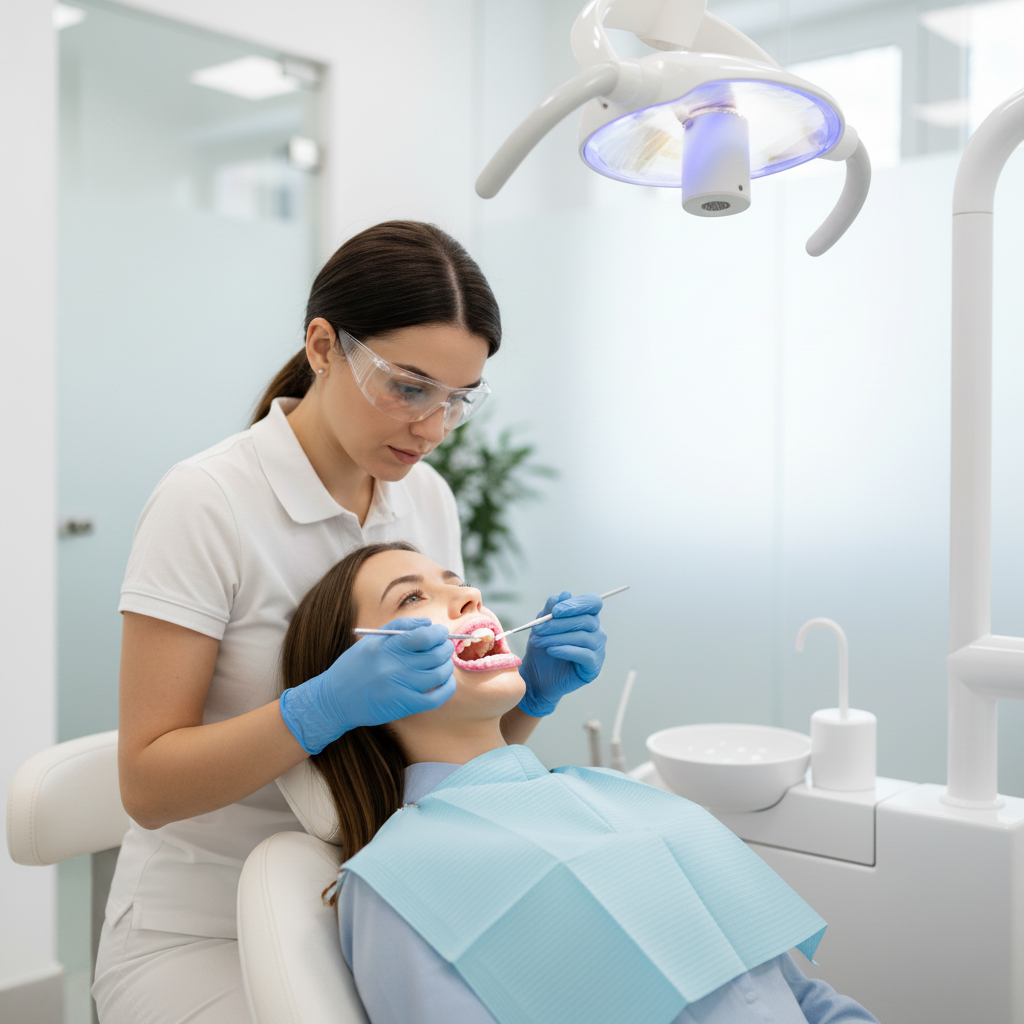
In-clinic whitening, often referred to as ‘chairside’ whitening, is the fastest and most dramatic way to whiten teeth. This procedure is performed entirely by a dental professional in the comfort of a dental office. The process typically involves:
- Initial Consultation: A thorough examination to ensure your teeth and gums are healthy enough for the procedure. The dentist will discuss your desired shade and identify any potential contraindications.
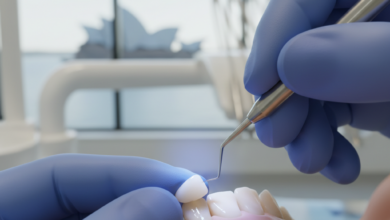
- Preparation: Your gums and soft tissues are carefully protected using a barrier gel or rubber dam to prevent irritation from the whitening agent.
- Application of Whitening Gel: A high-concentration hydrogen peroxide or carbamide peroxide gel is precisely applied to the tooth surfaces.
- Light Activation (Optional): Many in-clinic systems use a specialized light (LED or halogen) to accelerate the chemical reaction of the whitening gel, enhancing its effectiveness and speeding up the process.
- Multiple Applications: The gel is usually applied in several 15-20 minute intervals, with fresh gel applied each time, until the desired shade is achieved.
- Post-Treatment Care: After the final application, the gel is removed, and your teeth are rinsed. You’ll receive instructions on post-whitening care, including dietary restrictions for the first 24-48 hours to prevent re-staining.
The main benefits of in-clinic whitening are its speed – noticeable results can be achieved in just one or two appointments – and the safety of being under direct professional supervision. For those considering a comprehensive approach to enhancing their smile, exploring options within cosmetic dentistry can provide further insights beyond just whitening.
Professional Take-Home Whitening Kits: Gradual and Convenient
For those who prefer a more gradual approach or desire the convenience of whitening at home, professional take-home kits offer an excellent alternative. These kits are prescribed and monitored by your dentist, ensuring safety and effectiveness. The procedure involves:
- Custom Tray Creation: Your dentist will take impressions of your teeth to create custom-fitted whitening trays. These trays are crucial as they ensure the whitening gel stays in contact with your teeth while preventing it from irritating your gums.
- Whitening Gel Prescription: You’ll receive professional-strength whitening gel (usually carbamide peroxide, which breaks down into hydrogen peroxide) in syringes, with a concentration appropriate for your needs.
- Usage Instructions: Your dentist will provide clear instructions on how to apply the gel into the trays and how long to wear them each day (typically 30 minutes to a few hours).
- Treatment Duration: Results are usually seen over 1-2 weeks of consistent daily use, gradually brightening your smile.
Professional take-home kits offer flexibility and are often more cost-effective than in-clinic treatments, providing excellent results under dental guidance.
The Science Behind Teeth Whitening
At the core of all professional teeth whitening treatments is the power of peroxide-based agents, primarily hydrogen peroxide or carbamide peroxide. These agents work through a process of oxidation. When applied to the teeth, the peroxide breaks down, releasing oxygen molecules. These oxygen molecules penetrate the porous enamel and dentin layers of the tooth, where they react with the chromogens (stained molecules) that cause discoloration.
The oxygen molecules effectively break down the chemical bonds of these stained molecules into smaller, colorless components. This process doesn’t change the structure of the tooth; rather, it makes the stains less concentrated and reflective, causing the teeth to appear whiter. The depth of penetration and the effectiveness depend on the concentration of the peroxide, the duration of contact, and sometimes, the assistance of activating lights. Research on the mechanism of action of hydrogen peroxide in dental whitening agents can be further explored through scientific literature. For a deeper understanding of the chemical processes involved, reliable sources such as Wikipedia’s entry on Tooth Whitening offer valuable insights.
What to Expect During and After Your Whitening Treatment
It’s natural to have questions about the experience of teeth whitening. Here’s what you can generally anticipate:
During Treatment
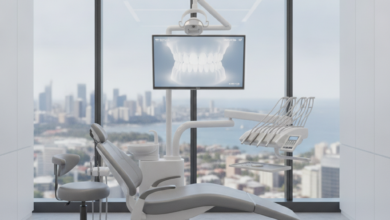
During in-clinic treatments, you’ll be made comfortable in the dental chair. The application of the gel is typically painless, though some individuals may experience a mild tingling sensation. The light used in some systems is cool and poses no discomfort. For take-home kits, the process is gentle and can be done while going about your daily activities.
After Treatment
The most common side effect is temporary tooth sensitivity, which can range from mild to moderate. This sensitivity usually subsides within 24-48 hours post-treatment. Your dentist may recommend using a desensitizing toothpaste or gel to alleviate this. Your gums might also feel slightly irritated immediately after in-clinic treatment, but this is temporary.
The results of professional teeth whitening are often impressive, with teeth appearing several shades lighter. The longevity of these results varies from person to person, typically lasting from six months to two years, depending on your diet and oral hygiene habits.
Maintaining Your Radiant Smile
To prolong the effects of your professional teeth whitening treatment, consider these maintenance tips:
- Practice Excellent Oral Hygiene: Brush twice daily with a fluoride toothpaste and floss once a day to prevent new stain accumulation.
- Watch Your Diet: Minimize consumption of highly pigmented foods and drinks (coffee, tea, red wine, berries). If you do consume them, consider rinsing your mouth with water afterward or using a straw for beverages.
- Avoid Tobacco: Quitting smoking or chewing tobacco will significantly help maintain your white smile and improve overall oral health.
- Regular Dental Check-ups: Schedule routine cleanings and check-ups with your dentist. Professional cleanings remove extrinsic stains before they become deeply embedded.
- Touch-up Treatments: Your dentist may recommend periodic touch-up treatments using your professional take-home kit to keep your smile bright.
| Feature | In-Clinic Professional Whitening | Professional Take-Home Kits |
|---|---|---|
| Application Method | Applied by dental professional in clinic, often with light activation. | Custom-fitted trays filled with gel, applied by patient at home. |
| Treatment Duration | Typically 1-2 hours per session. Immediate results. | Daily use (30 mins – few hours) for 1-2 weeks. Gradual results. |
| Gel Concentration | Higher concentration (e.g., 25-40% hydrogen peroxide). | Lower concentration (e.g., 10-22% carbamide peroxide). |
| Supervision | Full professional supervision. | Supervised initially with follow-ups, patient self-administers. |
| Cost | Generally higher per session. | Often lower initial cost, but may require refills. |
| Results | Dramatic, fast results. | Gradual, natural-looking results. |
Is Teeth Whitening Right for You? Factors to Consider
While teeth whitening is safe and effective for many, it’s not suitable for everyone. A consultation with an experienced dental professional is essential to determine if you are a good candidate. Factors your dentist will consider include:
- Overall Oral Health: You must have healthy teeth and gums, free from cavities, gum disease, or severe sensitivity. Treating these issues beforehand is crucial.
- Existing Dental Work: Crowns, veneers, bonding, and fillings will not whiten. If you have these restorations, they may need to be replaced after whitening to match your new brighter shade.
- Type of Stains: While most stains respond well, some intrinsic stains, particularly those caused by certain medications, may not lighten significantly with whitening alone.
- Pregnancy and Breastfeeding: Whitening is generally not recommended for pregnant or breastfeeding women.
- Allergies: Any allergies to peroxide or other ingredients in the whitening gel must be disclosed.
Your dentist will assess your individual circumstances, discuss your aesthetic goals, and recommend the most appropriate and safest whitening solution for you. They can also explain realistic expectations regarding the outcome of the treatment.
In Australia, the pursuit of a brighter, more confident smile is easily attainable through professional teeth whitening. Whether you opt for the rapid results of in-clinic treatment or the convenience of a professional take-home kit, the guidance of a qualified dentist ensures a safe and effective journey to a dazzling smile. By understanding how the process works and committing to proper aftercare, you can enjoy the benefits of a radiant smile for a long time to come.