Dental Implants vs Dentures Australia – Which Is Better?
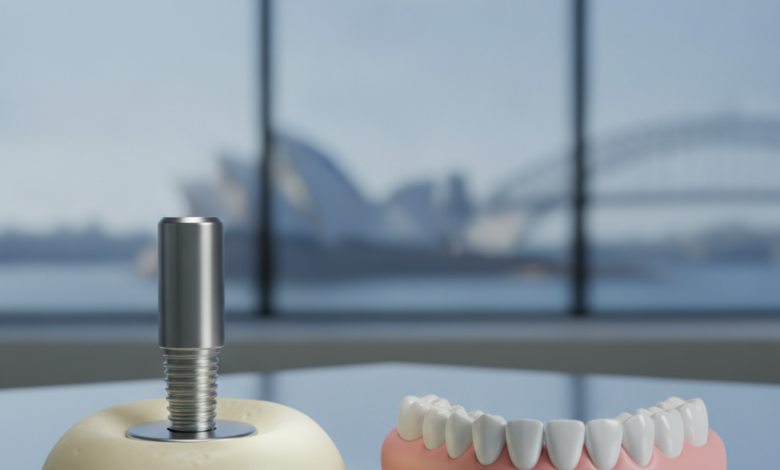
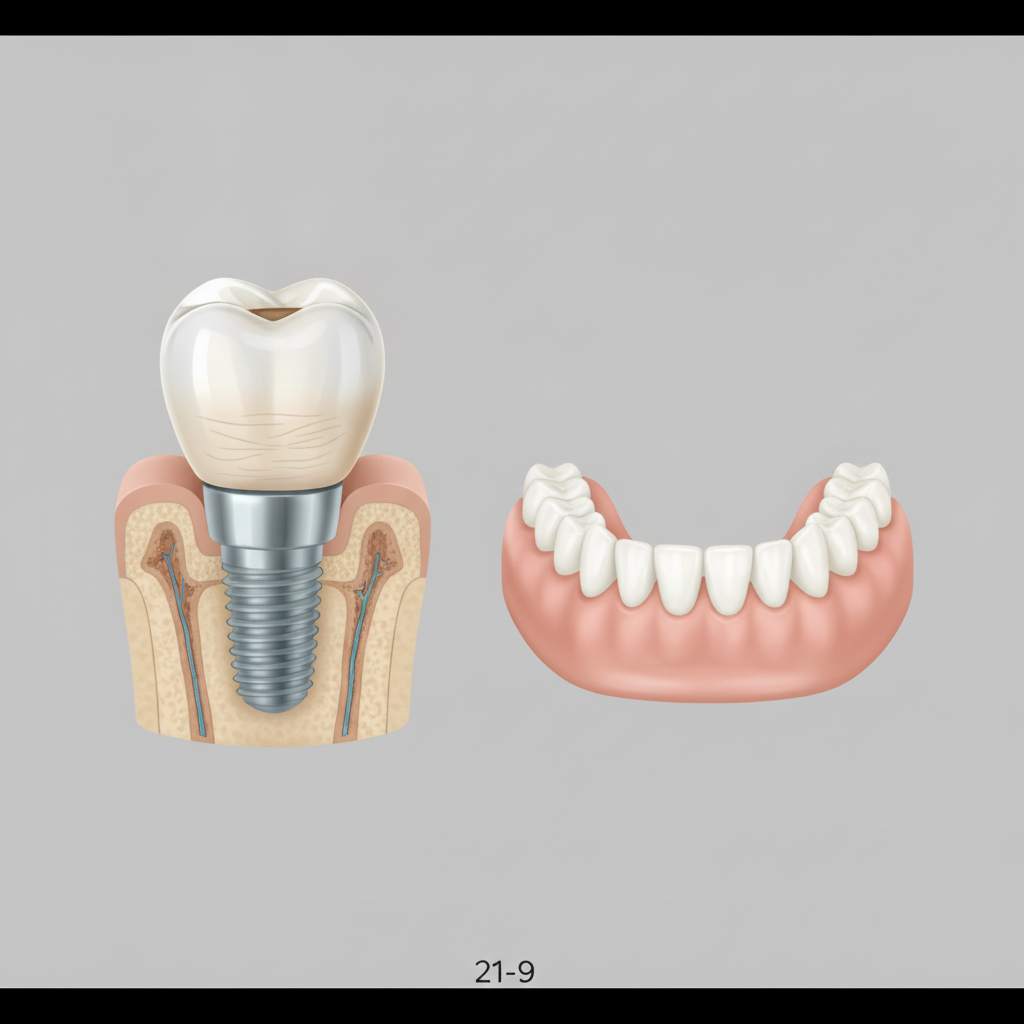
The process of receiving dental implants typically involves several stages. Initially, a thorough examination, including X-rays and 3D scans, is conducted to assess bone density and overall oral health. If sufficient bone is present, the implant — a small, titanium post — is surgically inserted into the jawbone. This procedure is usually performed under local anaesthesia. Following the placement, a healing period of several months is required for osseointegration to occur, during which the implant fuses with the bone. Once the implant has fully integrated, an abutment (a connector piece) is attached, and a custom-made crown, bridge, or denture is then secured to the abutment. The custom prosthetic is designed to match the colour, shape, and size of your existing teeth, ensuring a seamless and natural-looking result.
Dental Implants vs Dentures Australia – Which Is Better?
When facing significant tooth loss, the decision between dental implants and dentures is one of the most crucial choices you’ll make for your oral health and overall quality of life. Both options aim to restore function and aesthetics, but they achieve these goals through vastly different approaches, offering distinct advantages and considerations. In Australia, the availability of advanced dental technologies means patients have access to high-quality solutions for both. Understanding the nuances of each treatment is key to making an informed decision that best suits your individual needs, lifestyle, and budget. This comprehensive guide will delve into the intricacies of dental implants and dentures, comparing their processes, benefits, costs, and long-term implications to help you navigate this important choice.
Understanding Dental Implants: A Permanent Solution
Dental implants represent a revolutionary advancement in tooth replacement technology, offering a solution that closely mimics natural teeth. Unlike traditional prosthetics that rest on the gums or rely on adjacent teeth, implants are surgically placed into the jawbone, providing a stable and durable foundation for artificial teeth. This direct integration with the bone, known as osseointegration, is what gives implants their remarkable strength and longevity.
The benefits of dental implants are numerous and significantly impact a patient’s quality of life. They restore full chewing power, allowing you to eat all your favourite foods without restriction. Implants also prevent bone loss in the jaw, a common consequence of missing teeth, thereby preserving facial structure and preventing a sunken appearance. Their permanence and stability eliminate concerns about slippage or discomfort often associated with dentures. Furthermore, with proper care, dental implants can last a lifetime, making them a long-term investment in your oral health.
The Advantages of Choosing Dental Implants
- Durability and Longevity: With proper care, dental implants can last many decades, often for a patient’s lifetime. Their titanium construction makes them highly resistant to decay and periodontal disease.
- Preservation of Jawbone: Implants stimulate the jawbone, preventing the bone resorption that naturally occurs after tooth loss. This helps maintain facial structure and prevents premature aging.
- Improved Oral Health: Unlike bridges, implants do not require altering adjacent healthy teeth. They are also easier to clean, promoting better overall oral hygiene.
- Enhanced Comfort and Function: Implants feel and function like natural teeth. There’s no slipping, clicking, or discomfort, allowing for confident speaking, eating, and smiling.
- Aesthetics: Custom-made crowns are designed to perfectly match your natural teeth, providing a highly aesthetic and natural appearance.
Understanding Dentures: A Traditional Approach
Dentures have been a long-standing solution for replacing missing teeth, offering a removable option to restore a smile. They consist of artificial teeth set in a gum-coloured acrylic base, designed to fit snugly over your gums. There are primarily two types of dentures: complete and partial. Complete dentures are used when all teeth in an arch (upper or lower) are missing, while partial dentures are used when some natural teeth remain, attaching to them for support.
The process for getting dentures involves several appointments. First, impressions of your mouth are taken to create a precise mould. From this mould, a series of wax models or plastic try-ins are made, allowing your dentist to adjust the fit, shape, and colour of the artificial teeth until they achieve the desired look and comfort. Once finalised, the permanent dentures are fabricated. Learning to eat and speak with new dentures can take some time, and initial discomfort or soreness is common. Over time, the jawbone naturally changes shape when teeth are missing, which can cause dentures to loosen and require relining or replacement.
The primary benefit of dentures is their non-invasive nature and relatively lower initial cost compared to implants. They offer a quick way to restore aesthetics and some chewing function. However, traditional dentures do not address the underlying issue of bone loss in the jaw, and their stability can sometimes be a concern, leading to limitations in food choices and occasional social anxiety.
The Advantages of Choosing Dentures
- Affordability: Generally, the upfront cost of dentures is significantly lower than dental implants, making them accessible to a wider range of budgets.
- Non-Invasive Procedure: Denture fabrication does not involve surgery, making them a suitable option for individuals who are not candidates for surgery or prefer a less invasive treatment.
- Faster Treatment Time: The entire process for dentures, from impressions to final placement, is typically much quicker than the multi-stage process of dental implants.
- Removability: Being able to remove dentures for cleaning can simplify oral hygiene routines for some individuals.
- Versatility: They can replace a few missing teeth (partial dentures) or an entire arch (complete dentures).
Dental Implants vs Dentures Australia: A Comprehensive Comparison
Choosing between dental implants and dentures in Australia requires a thorough understanding of their key differences across various aspects. This comparison highlights the factors crucial for making an informed decision.
| Feature | Dental Implants | Dentures (Traditional) |
|---|---|---|
| Permanence | Permanent, surgically integrated into jawbone. | Removable, rests on gums or natural teeth. |
| Stability | Extremely stable, functions like natural teeth. | Can slip, click, or cause discomfort; less stable. |
| Impact on Jawbone | Preserves jawbone, prevents bone loss. | Does not prevent bone loss; jawbone can resorb over time. |
| Chewing Efficiency | Restores nearly 100% of natural chewing power. | Restores 20-50% of natural chewing power. |
| Aesthetics | Highly natural appearance, custom-matched to existing teeth. | Good aesthetic outcome, but can sometimes look less natural. |
| Oral Hygiene | Brushed and flossed like natural teeth. | Requires daily removal for cleaning; can cause food traps. |
| Treatment Time | Several months (including healing and osseointegration). | Weeks to a few months. |
| Initial Cost | Higher initial investment. | Lower initial investment. |
| Maintenance | Regular dental check-ups, brushing, flossing. | Regular cleaning, relining, potential replacements every 5-10 years. |
| Comfort | Feels like natural teeth, no foreign object sensation. | Can cause gum irritation, sores, and an adjustment period. |
Cost Considerations in Australia
The financial aspect is a significant factor for many patients in Australia. Generally, dental implants represent a higher upfront investment than traditional dentures. The cost of a single dental implant in Australia can range from AUD $3,000 to AUD $6,500, and this typically covers the implant post, abutment, and crown. Full mouth implant solutions, such as All-on-4 or implant-supported dentures, will incur a much higher cost, potentially ranging from AUD $20,000 to AUD $50,000+ per arch. These costs vary depending on the complexity of the case, the need for supplementary procedures like bone grafting, the type of materials used, and the specific dental clinic’s fees.
In contrast, traditional complete dentures in Australia can range from AUD $1,500 to AUD $5,000 per arch, while partial dentures might be less. While the initial outlay for dentures is lower, it’s important to consider the long-term costs. Dentures often require relining every few years to maintain their fit as the jawbone changes, and they typically need replacement every 5 to 10 years. These ongoing expenses, when compounded over decades, can narrow the cost gap with dental implants, especially considering the long lifespan of implants. Some private health insurance plans in Australia may offer coverage for a portion of both treatments, so it’s advisable to check with your provider.
Longevity and Maintenance
The lifespan and maintenance requirements for dental implants and dentures differ considerably. Dental implants are renowned for their durability. With meticulous oral hygiene, including daily brushing and flossing, and regular dental check-ups, a dental implant post can last a lifetime. The crown attached to the implant may need replacement after 10-15 years due to wear and tear, but the implant itself is designed for permanent integration. The success rate of dental implants is remarkably high, often exceeding 95% over a decade, provided patients adhere to proper care protocols.
Traditional dentures, on the other hand, have a shorter lifespan. They typically need to be replaced every 5 to 10 years. The acrylic material can wear down, and more importantly, the underlying gum and bone structure continuously change over time. As the jawbone shrinks, dentures become ill-fitting, leading to discomfort, difficulty eating, and potential slippage. Regular relining (adjusting the fit of the denture) is necessary to extend their usability and maintain comfort. Daily cleaning of dentures involves special brushes and cleaning solutions, and they should be removed overnight to allow gum tissues to rest. Failure to maintain dentures properly can lead to oral infections or further deterioration of gum health.
Who is a Candidate for Each?
Determining suitability for dental implants or dentures largely depends on individual oral health, general health, and lifestyle factors.
Candidates for Dental Implants:
- Good General Health: Candidates should be in good overall health, free from uncontrolled chronic diseases that could impair healing (e.g., severe diabetes, certain autoimmune disorders).
- Sufficient Jawbone Density: Adequate bone volume and density are crucial for the implant to fuse successfully. Those with insufficient bone may require bone grafting, which can extend treatment time.
- Good Oral Hygiene: A commitment to excellent daily oral hygiene is essential for the long-term success of implants.
- Non-Smokers or Willing to Quit: Smoking significantly increases the risk of implant failure.
Candidates for Dentures:
- Missing Multiple or All Teeth: Dentures are a viable option for those with extensive tooth loss.
- Compromised General Health: Individuals who cannot undergo surgery due to medical conditions may find dentures a more suitable option.
- Insufficient Jawbone for Implants: If bone grafting is not an option or desired, dentures provide a solution.
- Budget Constraints: For those with limited financial resources for the upfront cost, dentures offer an immediate, more affordable solution.
- Preference for Non-Surgical Treatment: Patients who prefer to avoid surgical procedures.
Making the Right Choice: Consulting a Professional
The decision between dental implants and dentures is highly personal and should be made in consultation with a qualified dental professional. A thorough examination by an experienced dentist will assess your oral health, bone structure, and overall medical history to determine the most appropriate treatment plan. They can discuss the pros and cons specific to your situation, elaborate on the procedures, provide detailed cost estimates, and answer any questions you may have.
Consider your long-term goals for oral health, your lifestyle, and your financial situation. If you are seeking a permanent solution that offers the closest feel and function to natural teeth, and you are a suitable candidate, dental implants often represent the superior choice. For individuals looking for a less invasive, more immediate, and generally more affordable upfront solution, dentures remain a valuable option. Many clinics in Australia offer dental implants as a core service, providing the expertise and technology required for successful outcomes.

Ultimately, both dental implants and dentures can significantly improve your quality of life by restoring your smile and chewing function. The key is to choose the option that aligns best with your health needs, expectations, and long-term vision for your oral well-being. For more in-depth information on dental implants and their long-term effectiveness, you can refer to authoritative sources such as Wikipedia’s entry on Dental Implants.