Best Dental Clinics in Perth for Implants

Before embarking on the search for the best dental clinic, it’s essential to grasp the fundamentals of dental implants themselves. This foundational knowledge empowers patients to make informed decisions and engage more effectively with dental professionals.
Best Dental Clinics in Perth for Implants
Choosing the right dental clinic for implants is a critical decision that impacts not only your oral health but also your overall quality of life. Dental implants represent a significant advancement in restorative dentistry, offering a durable and aesthetically pleasing solution for missing teeth. For residents of Perth seeking to restore their smile and chewing function, understanding what makes a clinic exceptional in this specialized field is paramount. This comprehensive guide will delve into the nuances of dental implants, the procedure involved, and the key factors to consider when identifying the top clinics in Perth that excel in implant dentistry.
Understanding Dental Implants: A Foundation for Your Choice
What Are Dental Implants?
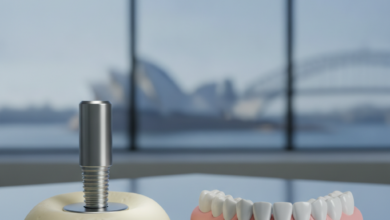
Dental implants are sophisticated dental prosthetics designed to replace missing tooth roots. They consist of small, screw-shaped posts, typically made from biocompatible titanium, which are surgically placed into the jawbone beneath the gum line. Over time, the bone naturally fuses with the implant in a process called osseointegration, creating a strong and stable foundation. Once integrated, an abutment is attached to the implant, and a custom-made crown, bridge, or denture is then secured to the abutment, effectively mimicking the appearance and function of a natural tooth. The success rate of dental implants is remarkably high, often exceeding 95% when performed by experienced professionals and maintained properly. This innovative solution offers unparalleled stability compared to traditional dentures or bridges, as it does not rely on adjacent teeth for support and prevents further bone loss in the jaw.
The Benefits of Dental Implants
The advantages of choosing dental implants extend far beyond mere aesthetics. They offer a multitude of benefits that contribute to improved oral health and overall well-being:
- Enhanced Aesthetics: Implants look and feel like natural teeth, blending seamlessly with your existing smile.
- Improved Speech: Unlike dentures that can slip, implants are securely fixed, allowing for clear and natural speech.
- Increased Comfort: As they become a part of your jaw, implants eliminate the discomfort and irritation often associated with removable dentures.
- Easier Eating: Implants restore full chewing power, allowing you to eat your favorite foods without pain or difficulty.
- Preservation of Jawbone: By replacing the tooth root, implants stimulate the jawbone, preventing bone deterioration that typically occurs after tooth loss.
- Durability: With proper care, dental implants can last a lifetime, making them a cost-effective long-term solution.
- Convenience: Implants eliminate the need for messy adhesives and the daily removal of dentures.
These benefits highlight why dental implants are often considered the gold standard for tooth replacement.
Who is a Candidate for Dental Implants?
While dental implants offer numerous advantages, they are not suitable for everyone. Generally, good candidates for dental implants are individuals who:
- Have one or more missing teeth.
- Possess healthy gums and sufficient bone density in their jaw to support the implant.
- Are in good general health and do not have conditions that could interfere with bone healing.
- Are committed to excellent oral hygiene and regular dental check-ups.
Conditions like uncontrolled diabetes, heart disease, or a history of radiation therapy to the head or neck can impact suitability. Heavy smokers may also have a higher risk of implant failure. A thorough evaluation by a qualified dental professional is essential to determine individual candidacy. This assessment typically involves a review of your medical history, a comprehensive oral examination, and advanced imaging like 3D CT scans.
Key Factors in Choosing the Best Dental Clinics in Perth for Implants
Dentist’s Experience and Specialization
The success of a dental implant procedure heavily relies on the skill and experience of the dental surgeon. Look for clinics where the dentists have specific training and extensive experience in implant dentistry. This often includes postgraduate qualifications, memberships in professional implant associations, and a proven track record of successful implant placements. It’s beneficial to inquire about the number of implant procedures the dentist performs annually and their success rates. Experience translates to a deeper understanding of complex cases, better surgical techniques, and superior outcomes. A specialist oral surgeon or periodontist often has dedicated expertise in this area.
Technology and Facilities
Advanced technology plays a vital role in modern implant dentistry. Clinics utilizing state-of-the-art equipment can offer more precise diagnoses, safer procedures, and more predictable results. Key technologies to look for include:
- 3D Cone Beam Computed Tomography (CBCT): Provides detailed 3D images of your jawbone, nerves, and sinuses, allowing for accurate implant planning and placement.
- Digital Impression Systems: Offers more comfortable and accurate impressions for custom crowns, eliminating traditional messy molds.
- Surgical Guides: Computer-generated guides based on 3D scans ensure precise implant placement, minimizing risks.
- In-house Dental Labs: Some clinics have their own labs, which can streamline the process of creating custom crowns and ensure higher quality control.
The overall cleanliness, organization, and adherence to sterilization protocols within the clinic also speak volumes about its commitment to patient safety and quality care.
Patient Testimonials and Reviews
Word-of-mouth and online reviews offer invaluable insights into a clinic’s reputation and patient satisfaction. Look for consistent positive feedback regarding the implant procedure, the professionalism of the staff, and the overall patient experience. Pay attention to comments about aftercare, communication, and how the clinic handles any complications. While individual experiences vary, a pattern of excellent service and successful outcomes is a strong indicator of a reputable clinic. Websites like Google Reviews, Yelp, and specialized dental directories can be good sources for this information.
Comprehensive Consultation and Treatment Planning
A top dental clinic for implants will offer a thorough initial consultation that includes a detailed examination, medical history review, and advanced imaging. During this stage, the dentist should clearly explain the entire implant process, discuss potential risks and benefits, explore alternative treatment options, and provide a transparent breakdown of costs. A personalized treatment plan, tailored to your specific needs and oral health status, is crucial. This plan should outline the number of implants required, the type of restoration, the timeline, and all associated fees, ensuring there are no hidden surprises. A clinic that prioritizes patient education and open communication demonstrates a commitment to ethical and patient-centric care.
The Dental Implant Procedure: What to Expect
Understanding the typical stages of the dental implant procedure can help demystify the process and prepare you for what’s involved. While variations exist based on individual cases, the core steps remain consistent. For a deeper dive into dental implants, you might find this resource on dental implants explained in detail helpful.
Initial Assessment and Planning
This is the foundational stage where the dentist evaluates your oral health, takes X-rays and 3D scans, and discusses your medical history. The goal is to determine if you are a suitable candidate for implants and to create a precise treatment plan. This plan will map out the optimal locations for implant placement, considering bone density, nerve pathways, and sinus cavities.
Implant Placement Surgery
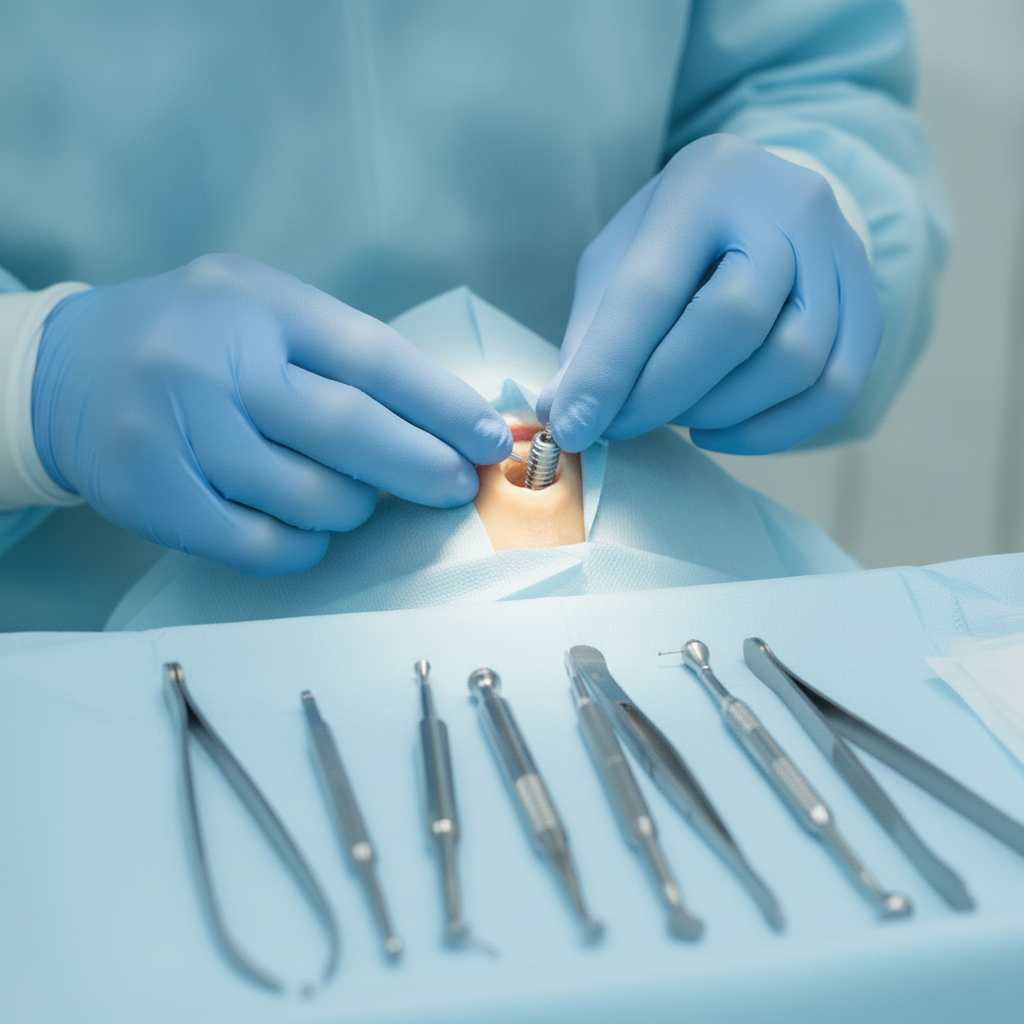
Once the planning is complete, the surgical phase begins. Under local anesthesia (and sometimes sedation), the dentist makes a small incision in the gum to expose the jawbone. A precise hole is then drilled into the bone, and the titanium implant post is carefully placed. The gum tissue is then sutured closed, covering the implant. This outpatient procedure typically takes 1-2 hours per implant.
Osseointegration and Healing
Following implant placement, a crucial healing period of several months begins. During this time, the jawbone gradually fuses with the titanium implant surface in a process called osseointegration. This creates a strong and stable anchor for the future tooth. The duration of this phase varies from person to person, usually ranging from 3 to 6 months. It is essential not to disturb the implant during this critical healing period. You may be fitted with a temporary prosthetic during this time.
Abutment and Crown Placement
Once osseointegration is complete, a second minor surgical procedure may be required to expose the top of the implant and attach a small connector post called an abutment. This abutment protrudes through the gum line and serves as the attachment point for the final prosthetic. After the gum tissue around the abutment has healed (typically a couple of weeks), impressions of your mouth are taken to custom-fabricate your permanent crown, bridge, or denture. Finally, the custom restoration is securely cemented or screwed onto the abutment, completing your smile. The materials used for crowns, such as porcelain or ceramic, are chosen to match the shade and translucency of your natural teeth. For scientific information regarding the materials and processes involved in dental implants, you can consult authoritative sources like PubMed.
Ensuring Long-Term Success and Care for Your Implants

The journey with dental implants does not end after the crown is placed. Long-term success hinges on diligent oral hygiene and regular professional check-ups. Treat your dental implants just like your natural teeth: brush twice daily, floss meticulously, and use an antimicrobial mouthwash if recommended by your dentist. Regular dental examinations and professional cleanings are vital to monitor the health of your implants and surrounding gums, preventing potential complications like peri-implantitis (gum disease around the implant). A good dental clinic will provide comprehensive aftercare instructions and schedule follow-up appointments to ensure the ongoing health and stability of your investment. Adhering to these guidelines will significantly contribute to the longevity and comfort of your dental implants, allowing you to enjoy a restored smile for many years to come.