Zirconium Crowns Cost Australia vs Porcelain
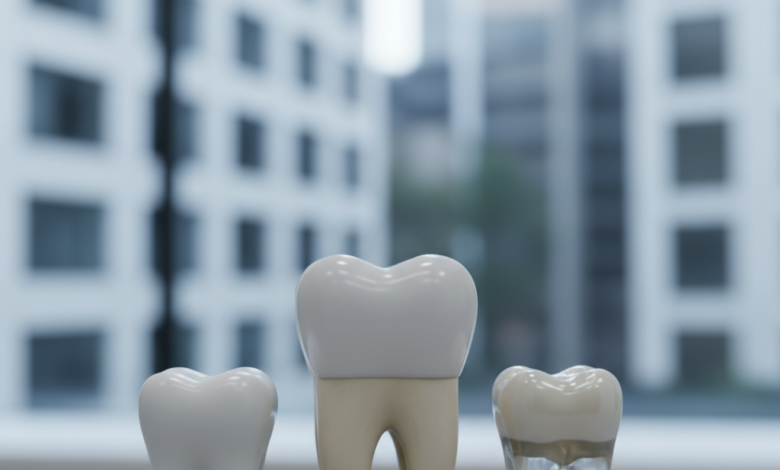
The cost of zirconium crowns in Australia can vary significantly, typically ranging from AUD $1,500 to $3,000 per tooth. This wide range reflects several influencing factors that contribute to the final price. It’s important for patients to understand that this investment covers not just the crown material itself, but also a suite of professional services and the application of advanced dental technology. The superior material properties of zirconium, including its exceptional strength and aesthetic capabilities, inherently contribute to a higher manufacturing cost compared to some other crown types. Furthermore, the use of sophisticated CAD/CAM (Computer-Aided Design/Computer-Aided Manufacturing) technology for precise milling and customisation of zirconium crowns adds to the overall expense, ensuring a perfect fit and natural appearance. This technology, while increasing the initial cost, often results in a more durable and longer-lasting restoration, potentially reducing future dental expenses related to crown replacement or repair.
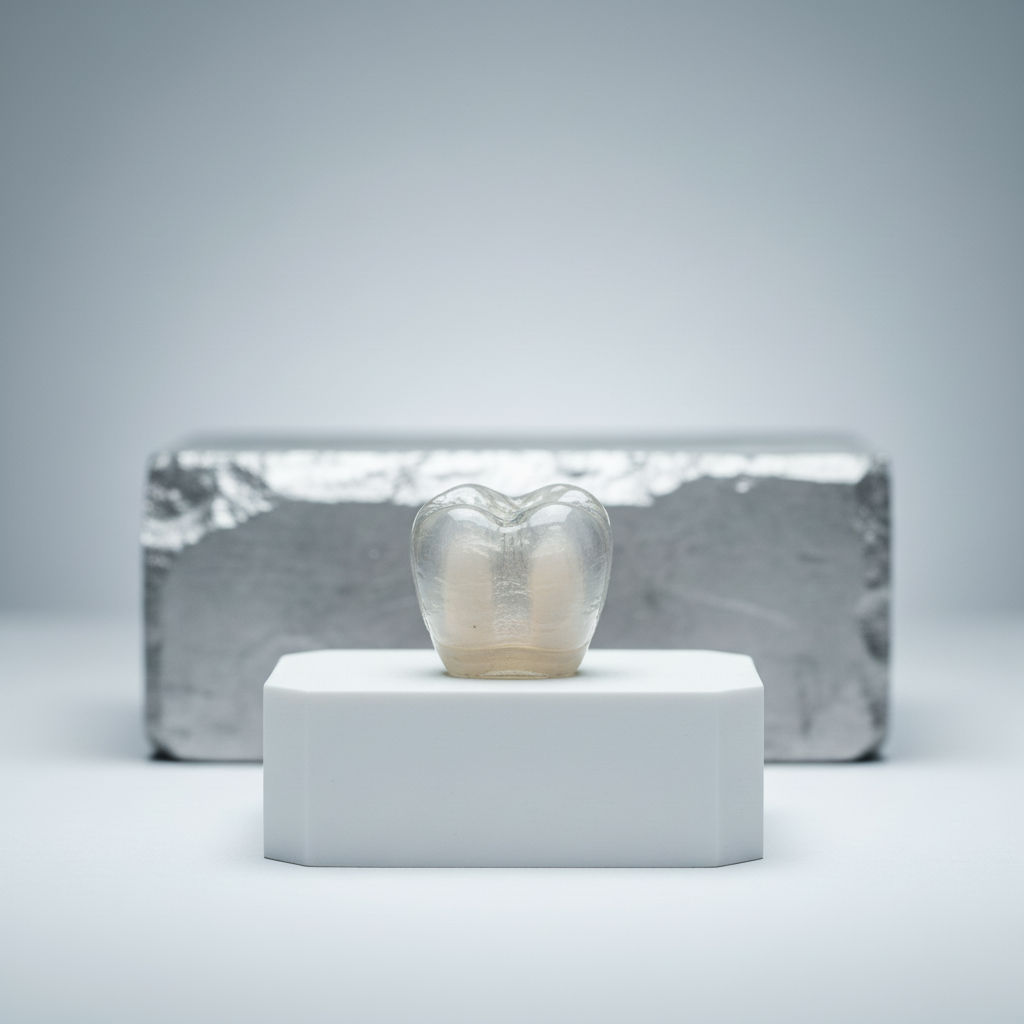
Zirconium Crowns Cost Australia vs Porcelain: Navigating your options for a radiant smile can often feel overwhelming, especially when weighing aesthetic appeal against crucial factors like durability and, inevitably, cost. When considering restorative dental treatments in Australia, zirconium and porcelain crowns stand out as leading choices, each offering distinct advantages. Understanding the nuances of their construction, application, and the investment required is key to making an informed decision that perfectly aligns with your oral health needs and cosmetic aspirations. This comprehensive guide will delve into the specifics of zirconium crowns, their cost implications in Australia, and how they compare to the widely-used porcelain alternatives, equipping you with the knowledge to discuss your treatment plan confidently with your dental professional.
Understanding Dental Crowns: A Foundation for Restoration
Dental crowns, often referred to as caps, are custom-made restorations that completely cover a damaged or weakened tooth above the gum line. Their primary purpose is to restore the tooth’s strength, shape, size, and appearance, while also protecting it from further decay or fracture. Crowns are recommended for a variety of dental issues, including:
- Protecting a weak tooth from breaking or holding together parts of a cracked tooth.
- Restoring an already broken tooth or a tooth severely worn down.
- Covering and supporting a tooth with a large filling when there isn’t much tooth left.
- Holding a dental bridge in place.
- Covering misshapen or severely discoloured teeth.
- Covering a dental implant.
Over the years, dental materials have significantly evolved, moving from traditional metals to more aesthetically pleasing and biocompatible options like ceramics. Among these, zirconium and porcelain have emerged as frontrunners, each bringing unique characteristics to the forefront of modern restorative dentistry.
The Rise of Zirconium in Dentistry
Zirconium, or zirconium dioxide (ZrO2), is a ceramic material that has rapidly gained popularity in dentistry due to its exceptional strength and aesthetic qualities. Initially used in medical applications such as hip implants, its excellent biocompatibility and robust nature made it an ideal candidate for dental restorations. Zirconium crowns are milled from a solid block of this crystalline material, ensuring a consistent structure and incredible resistance to fracture and wear. Unlike some traditional crowns, zirconium offers a metal-free solution, eliminating concerns about allergic reactions or the visible dark line at the gum line often associated with porcelain-fused-to-metal (PFM) crowns. Its natural translucency allows light to pass through much like natural tooth enamel, resulting in a highly aesthetic and seamless integration with existing teeth.
Porcelain Crowns: A Traditional Choice
Porcelain crowns have long been a staple in cosmetic and restorative dentistry. They are renowned for their ability to mimic the natural appearance of teeth, making them a popular choice for front teeth restorations. Porcelain crowns can be fabricated in a few ways:
- All-Ceramic/All-Porcelain Crowns: These are made entirely of porcelain or other ceramic materials (like Emax). They offer excellent aesthetics and are a good choice for patients with metal allergies. However, they can sometimes be more brittle than other options, making them more suitable for areas with less biting force.
- Porcelain-Fused-to-Metal (PFM) Crowns: These crowns consist of a metal substructure covered with a layer of porcelain. They combine the strength of metal with the aesthetics of porcelain, offering a durable and visually appealing solution. A common concern with PFM crowns is the potential for the metal base to show through as a dark line at the gum line over time, especially if gums recede.
While porcelain crowns remain a viable and aesthetically pleasing option, the advent of materials like zirconium has expanded the choices available, often presenting a more durable alternative, particularly for posterior teeth that endure significant chewing forces.
Zirconium Crowns Cost Australia: A Comprehensive Breakdown
Factors Influencing Zirconium Crown Costs
- Geographic Location: Dental costs can vary significantly between major metropolitan areas (e.g., Sydney, Melbourne) and regional towns. Higher operating costs for clinics in prime city locations often translate to higher prices for treatments.
- Dentist’s Experience and Specialisation: Highly experienced dentists or those with specialised training in cosmetic and restorative dentistry may charge more for their expertise. The skill and precision required for perfect crown preparation and placement are crucial for the longevity and aesthetics of the restoration.
- Clinic Overhead Costs: Factors such as advanced equipment (e.g., in-house CAD/CAM systems), premium materials, staff salaries, and rent for the practice all influence the pricing structure. Clinics investing in state-of-the-art technology often provide higher quality and more efficient services.
- Complexity of the Case: The condition of the tooth requiring the crown plays a significant role. If additional treatments are needed before the crown can be placed – such as a root canal therapy, a core build-up to reconstruct a severely damaged tooth, or gum contouring – these will add to the overall cost.
- Number of Crowns: While the cost per crown may remain similar, the total expenditure will obviously increase with the number of teeth requiring restoration. Some clinics may offer a slight discount for multiple crowns, but this is not standard.
- Dental Insurance: Private health insurance policies with dental coverage (Extras cover) may cover a portion of the crown cost. The rebate amount depends on your specific policy, the level of cover, and your annual limits. It is always advisable to check with your insurer beforehand.
Given these variables, obtaining a detailed quote from your dentist after a thorough examination is the most accurate way to understand the potential investment for your zirconium crown.
Zirconium vs. Porcelain Crowns: A Detailed Comparison
Choosing between zirconium and porcelain crowns involves weighing various factors such as strength, aesthetics, biocompatibility, and cost. While both offer excellent restorative solutions, their inherent properties make them suitable for different situations. The comparison below highlights their key differences.
| Feature | Zirconium Crowns | Porcelain Crowns |
|---|---|---|
| Material Composition | Zirconium dioxide (a strong ceramic oxide) | Feldspathic porcelain, glass-ceramics (e.g., Emax), or porcelain fused to metal (PFM) |
| Strength & Durability | Exceptional strength, highly resistant to chipping, cracking, and fracture. Ideal for posterior (back) teeth and bridges. | Good strength, but all-ceramic options can be more brittle than zirconia. PFM offers good strength due to metal core but can chip porcelain. |
| Aesthetics | Highly aesthetic with natural translucency. No metal base ensures no dark line at the gum line. Can be layered for enhanced natural look. | Excellent aesthetics, closely mimics natural tooth colour and translucency, especially all-ceramic. PFM may show a dark metal margin over time. |
| Biocompatibility | Excellent biocompatibility, hypoallergenic, and tissue-friendly. Very low risk of allergic reactions. | Generally good. All-ceramic is highly biocompatible. PFM can rarely cause allergic reactions to the metal alloy in sensitive individuals. |
| Tooth Preparation | Often requires less aggressive tooth reduction compared to PFM crowns, preserving more natural tooth structure. | Can require moderate to significant tooth reduction, especially for PFM to accommodate both metal and porcelain layers. |
| Wear on Opposing Teeth | Polished zirconia is smooth and generally considered less abrasive to opposing natural teeth than some dense porcelains. | Can be more abrasive to opposing natural teeth if not properly glazed or polished, potentially causing wear. |
| Cost (Indicative Australia) | Generally higher initial cost (AUD $1,500 – $3,000+ per tooth) due to material and manufacturing technology. | Typically lower to moderate (AUD $1,200 – $2,500+ per tooth) depending on type (PFM often less than all-ceramic). |
| Indications | Suitable for both anterior and posterior teeth, bridges, implant restorations, and for patients with heavy biting forces. | All-ceramic is excellent for anterior (front) teeth. PFM is versatile for both anterior and posterior applications. |
The Benefits of Choosing Zirconium Crowns
The growing popularity of zirconium crowns is well-founded, stemming from a range of significant advantages they offer:
- Unmatched Strength and Durability: Zirconium is one of the strongest materials used in dentistry. This makes zirconium crowns exceptionally durable and resistant to chips, cracks, and fractures, even in areas of high chewing pressure. They can withstand the forces of daily biting and grinding, promising a long lifespan.
- Superior Aesthetics: Modern zirconium crowns are designed to blend seamlessly with natural teeth. Their translucent quality allows light to pass through in a similar way to natural tooth enamel, preventing the opaque, artificial look sometimes associated with older crown types. Furthermore, being metal-free, they eliminate the risk of a dark line appearing at the gum line.
- Excellent Biocompatibility: Zirconium is a highly biocompatible material, meaning it is well-tolerated by the body and unlikely to cause allergic reactions or adverse tissue responses. This makes it an excellent choice for patients with sensitivities to metals.
- Minimal Tooth Reduction: Due to zirconium’s inherent strength, a thinner crown can be fabricated without compromising its integrity. This often means less natural tooth structure needs to be removed during preparation, helping to preserve the tooth’s vitality.
- Long-Term Reliability: With proper care and oral hygiene, zirconium crowns can last for many years, often exceeding 10-15 years, making them a wise long-term investment in your oral health.
The Zirconium Crown Procedure: What to Expect
- Initial Consultation and Examination: Your dentist will conduct a thorough examination, including X-rays, to assess the condition of your tooth and determine if a crown is the appropriate treatment. They will discuss your aesthetic goals and material options.
- Tooth Preparation: During the first treatment appointment, the dentist will numb the tooth and surrounding area. They will then carefully reshape the tooth, removing a small amount of enamel to create space for the crown. The amount of tooth removed will be precise, ensuring the crown fits perfectly without appearing bulky.
- Impressions: Once the tooth is prepared, an impression (mould) of your teeth will be taken. This impression is either traditional (using dental putty) or digital (using an intraoral scanner) and sent to a dental laboratory where your custom zirconium crown will be fabricated.
- Temporary Crown: A temporary crown made of acrylic will be placed over the prepared tooth to protect it while your permanent crown is being made. This temporary crown will protect the sensitive prepared tooth and maintain aesthetics.
- Crown Fabrication: The dental laboratory uses the impressions to meticulously craft your zirconium crown. This process typically takes one to two weeks, involving CAD/CAM technology for precision milling and often manual layering and colouring to match your natural teeth.
- Final Placement: During your second visit, the temporary crown is removed. Your dentist will meticulously check the fit, bite, and aesthetics of the permanent zirconium crown. Once both you and the dentist are satisfied, the crown will be permanently bonded to your tooth using a strong dental adhesive.
Modern dental practices often utilise in-house CAD/CAM technology, which can sometimes allow for same-day crown fabrication, reducing the number of visits required.
Longevity and Maintenance of Your Zirconium Crowns
The longevity of your zirconium crowns largely depends on your oral hygiene practices and regular dental check-ups. With proper care, zirconium crowns are designed to last for 10 to 15 years, and often much longer. To maximise the lifespan of your investment:
- Maintain Excellent Oral Hygiene: Brush twice daily with fluoride toothpaste and floss at least once a day to prevent plaque buildup around the crown and prevent decay in the underlying tooth.
- Regular Dental Check-ups: Schedule routine check-ups and professional cleanings with your dentist every six months. Your dentist can monitor the condition of your crown and surrounding teeth, identifying any issues early.
- Avoid Hard or Sticky Foods: While zirconium is incredibly strong, excessive force or chewing on very hard items (ice, nuts, hard candies) or sticky foods can potentially damage the crown or the underlying tooth.
- Address Bruxism (Teeth Grinding): If you clench or grind your teeth, especially at night, your dentist may recommend a nightguard to protect your crowns and natural teeth from excessive wear.
Adhering to these simple guidelines will ensure your zirconium crowns remain functional and aesthetically pleasing for many years to come.
Making an Informed Decision for Your Smile
Choosing the right dental crown material is a significant decision that impacts both your oral health and your budget. When considering zirconium crowns cost Australia, it’s clear that while the initial investment may be higher than some alternatives, the long-term benefits in terms of durability, aesthetics, and biocompatibility often justify the expenditure. The exceptional strength of zirconium makes it particularly suitable for posterior teeth or for individuals who experience heavy biting forces, while its natural appearance ensures a seamless blend with your existing smile.
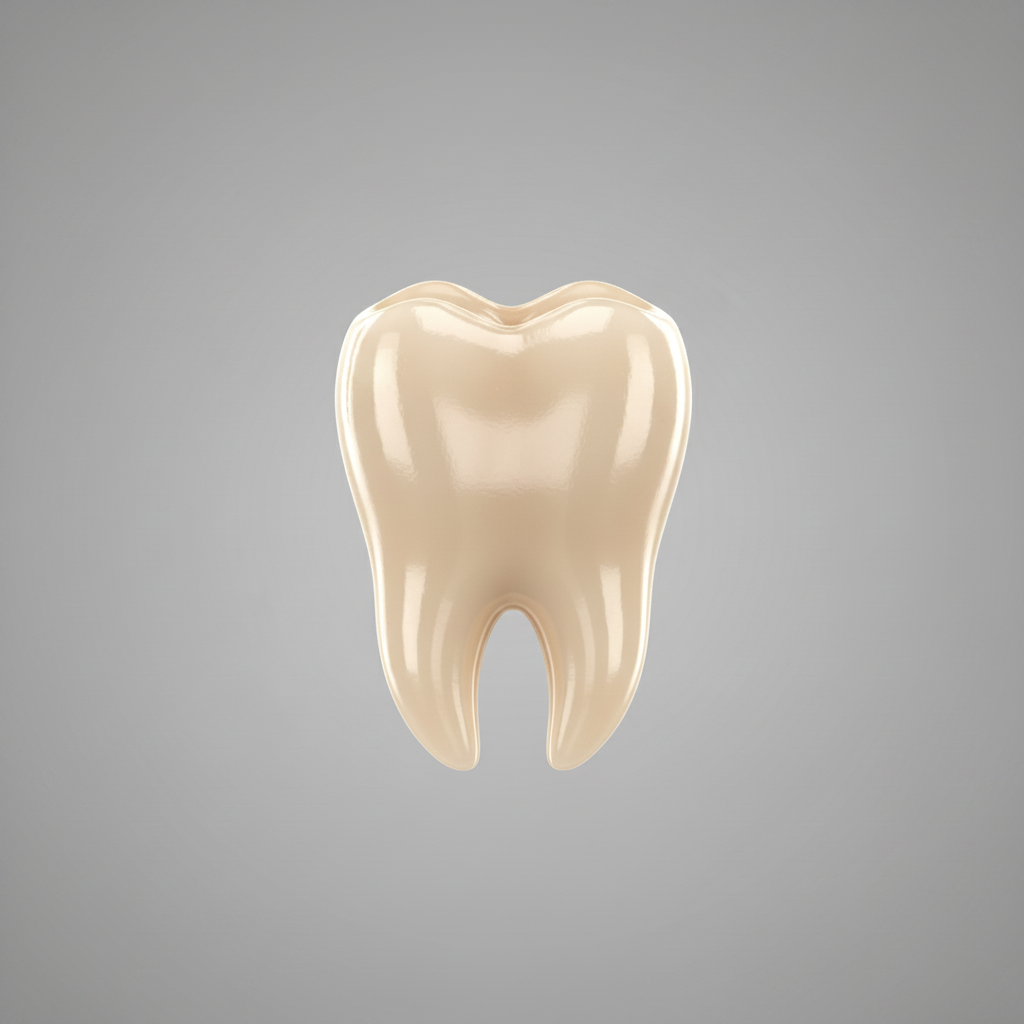
For a more general understanding of dental crown costs in Australia, further details are available. Ultimately, the best course of action is to schedule a consultation with a qualified dental professional. They can conduct a thorough examination of your specific dental needs, discuss your aesthetic preferences, and provide a personalised treatment plan complete with a detailed cost breakdown. They can also explain how factors such as your dental history, the specific tooth requiring the crown, and your overall oral health contribute to the most suitable choice of material and procedure. Empowering yourself with knowledge and seeking expert advice will ensure you make the best decision for a healthy, beautiful, and long-lasting smile. For a comprehensive overview of dental crowns and their various materials, including zirconia, one can refer to reliable sources such as Wikipedia’s entry on dental crowns.