Composite Bonding Cost Australia Explained
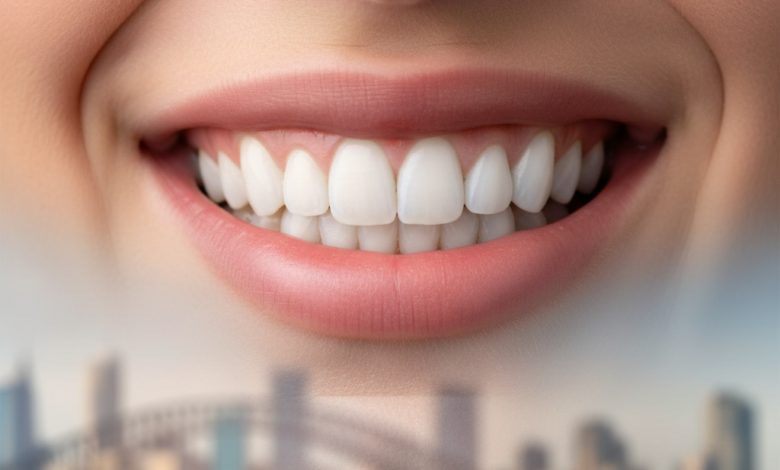
Composite Bonding Cost Australia Explained. Composite bonding, a widely sought-after cosmetic dental procedure, offers a minimally invasive and cost-effective solution for enhancing the appearance of teeth. It involves applying a tooth-coloured resin material to the tooth surface, which is then sculpted, hardened, and polished to blend seamlessly with natural teeth. This technique is particularly popular in Australia, where there is a growing demand for aesthetic dental treatments that offer immediate and noticeable results without extensive tooth preparation. Understanding the financial implications of this procedure is crucial for anyone considering it, as costs can vary significantly based on several contributing factors. This comprehensive guide will delve into the intricacies of composite bonding, its benefits, the elements that influence its price in Australia, and how it compares to alternative cosmetic dental options.
Understanding Composite Bonding: A High-Value Cosmetic Solution
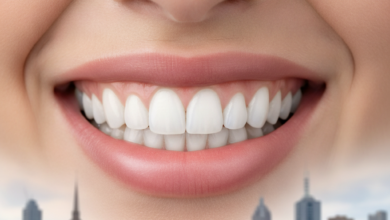
Composite bonding, also known as dental bonding or resin bonding, utilises a durable composite resin material, similar to what is used for white dental fillings. This resin is carefully matched to the natural shade of your teeth, ensuring a harmonious and natural-looking outcome. The procedure is renowned for its ability to address a variety of cosmetic concerns efficiently and effectively.
How Composite Bonding Works
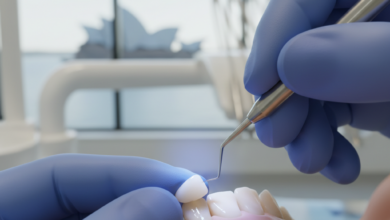
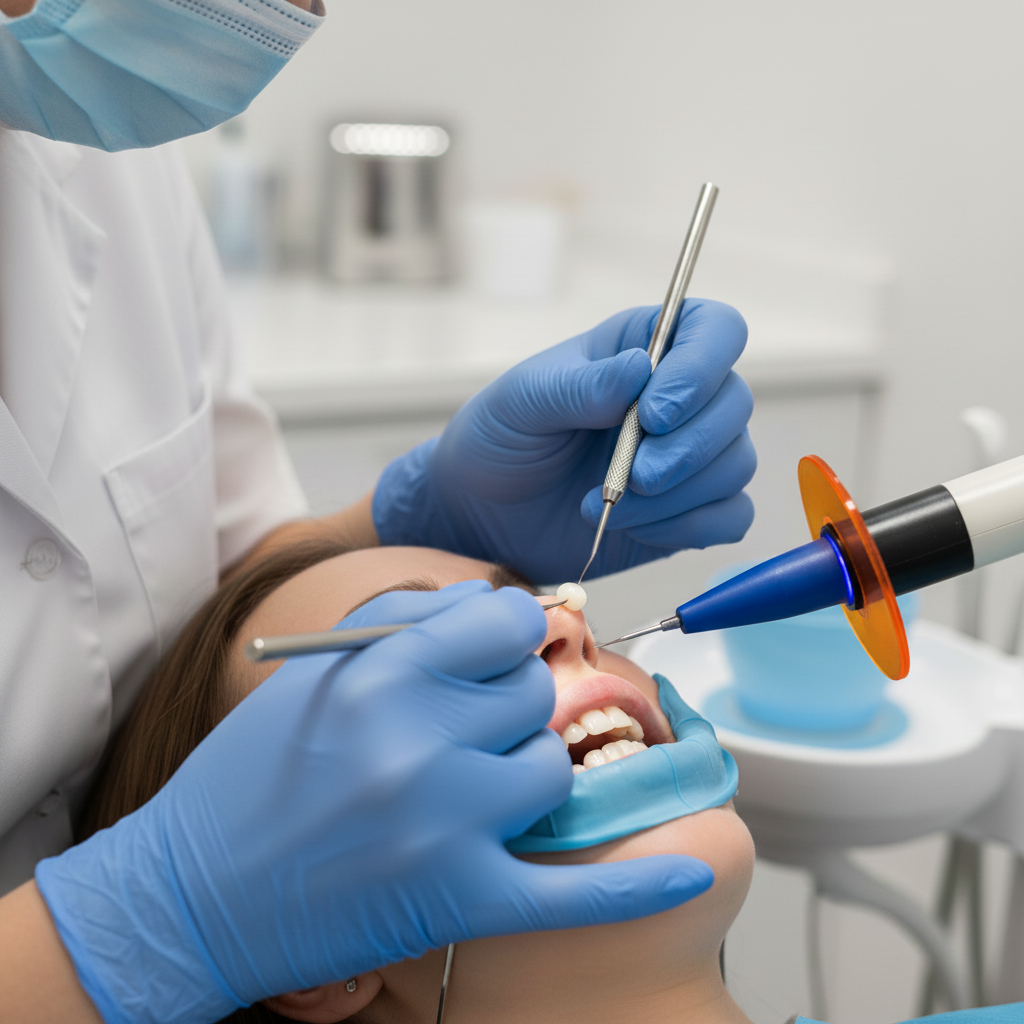
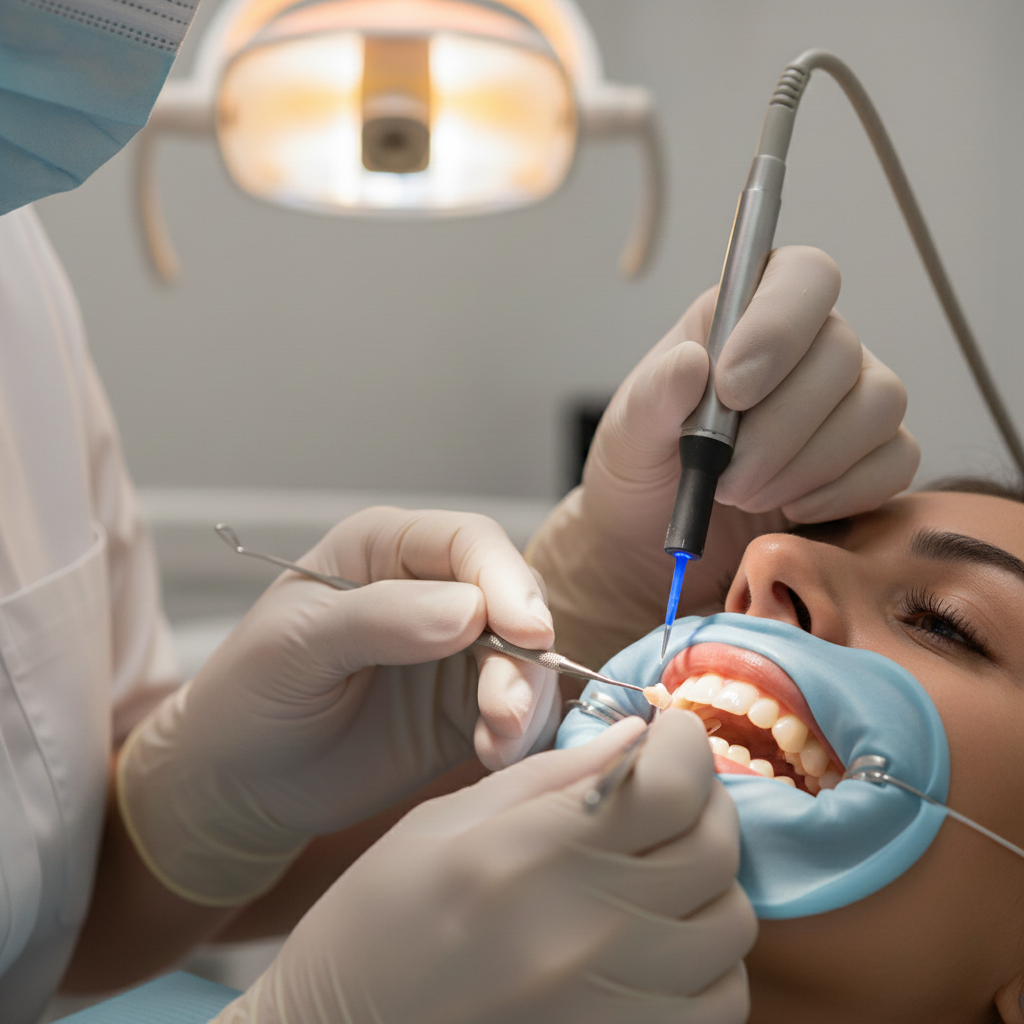
The process typically begins with a thorough dental examination and consultation to determine suitability. If composite bonding is deemed appropriate, the dentist will lightly etch the surface of the tooth. This creates a microscopic roughening that helps the bonding agent adhere more securely. A liquid bonding agent is then applied, followed by layers of the tooth-coloured composite resin. The dentist meticulously sculpts and moulds this resin to achieve the desired shape and contour, correcting imperfections like chips, cracks, gaps, or discolouration. Once the ideal shape is attained, a special curing light is used to harden the resin almost instantly. The final step involves meticulous trimming, shaping, and polishing to ensure the bonded tooth looks natural, feels smooth, and integrates perfectly with your bite.
Key Benefits of Composite Bonding
- Aesthetic Enhancement: It effectively conceals chips, cracks, gaps between teeth, minor misalignments, and discolouration, significantly improving the overall appearance of your smile.
- Minimal Invasiveness: Unlike veneers or crowns, composite bonding often requires minimal to no removal of natural tooth enamel, preserving more of your original tooth structure.
- Speed: The procedure can often be completed in a single dental visit, making it a convenient option for those seeking quick smile transformations.
- Cost-Effectiveness: Generally, composite bonding is less expensive than alternative cosmetic treatments such as porcelain veneers or dental crowns.
- Repairability: Should the bonded material chip or crack, it can often be repaired or touched up, rather than requiring full replacement.
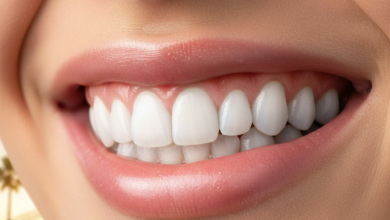
- Natural Appearance: Modern composite resins are highly aesthetic and can be matched precisely to your tooth colour, creating a virtually undetectable restoration.
Factors Influencing Composite Bonding Cost Australia
The cost of composite bonding in Australia is not a fixed figure; it is influenced by a range of variables. Understanding these factors can help individuals anticipate the potential expense and make informed decisions. The average cost for composite bonding per tooth in Australia can range from approximately AUD $200 to $600, or even higher for more complex cases or multiple teeth.
Location of the Dental Practice
Geographic location plays a significant role in pricing. Dental practices in major metropolitan areas such as Sydney, Melbourne, Brisbane, and Perth typically have higher operating costs, which can translate to higher prices for dental procedures compared to regional or rural areas.
Dentist’s Experience and Reputation
Highly experienced cosmetic dentists with a strong reputation for delivering exceptional aesthetic results may charge more for their services. Their expertise in sculpting and artistry, which is crucial for natural-looking bonding, is a valuable asset reflected in their fees.
Complexity of the Case
The extent of the dental issue being addressed directly impacts the cost.
- Number of Teeth: Bonding multiple teeth will naturally increase the overall cost.
- Extent of Repair: Large chips, significant gaps, or extensive reshaping will require more material and chair time, leading to higher fees than minor corrections.
- Location of the Tooth: Bonding on front teeth, which are highly visible and require greater aesthetic precision, might be priced differently than bonding on less visible teeth.
Quality of Materials Used
The type and brand of composite resin can influence the cost. High-quality, advanced composite materials offer superior aesthetics, durability, and stain resistance, which can contribute to a higher price point.
Additional Procedures
Sometimes, composite bonding is part of a larger treatment plan. Costs might be influenced by:
- Pre-treatment Assessments: X-rays, digital scans, or detailed smile design planning.
- Related Treatments: If teeth whitening is performed prior to bonding (to ensure the bonding matches whiter teeth), or if minor orthodontic adjustments are needed.
- Aftercare and Follow-up: While often included, some practices may have separate fees for extensive follow-up appointments or specific polishing sessions.
Consultation Fees
Many dental practices charge an initial consultation fee, which covers the dentist’s time for examination, discussion of treatment options, and cost estimation. This fee may or may not be deductible from the total treatment cost if you proceed.
A Detailed Look at the Procedure and What You’re Paying For
When you pay for composite bonding, you are investing in a precise, multi-step process:
- Initial Consultation and Assessment: The dentist evaluates your oral health, discusses your aesthetic goals, and determines if bonding is the right solution. This includes shade matching.
- Tooth Preparation: Minimal preparation, often just light etching, to create a surface for the resin to adhere. No anaesthesia is usually required unless there is an existing cavity or sensitive area.
- Bonding Agent Application: A liquid adhesive is applied to the tooth surface.
- Composite Resin Application and Sculpting: The dentist meticulously applies and shapes the resin, layer by layer, to achieve the desired aesthetic and anatomical form. This is the most artistic and time-consuming part of the procedure.
- Curing: A specialised light is used to harden each layer of the composite resin.
- Finishing and Polishing: The bonded tooth is meticulously trimmed, smoothed, and polished to ensure it blends seamlessly with your natural teeth and has a natural lustre. This step is critical for comfort, aesthetics, and longevity.
The cost encompasses the dentist’s expertise, the materials, the time spent, and the use of the clinic’s equipment and facilities.
Comparing Composite Bonding with Alternative Cosmetic Treatments
While composite bonding offers significant advantages, it’s essential to understand how it compares to other popular cosmetic dental treatments, especially in terms of cost, longevity, and invasiveness.
| Procedure | Estimated Cost Range (AUD per tooth) | Typical Longevity | Key Benefit | Invasiveness |
|---|---|---|---|---|
| Composite Bonding | $200 – $600+ | 5 – 10 years | Minimally invasive, quick, cost-effective | Low (minimal/no enamel removal) |
| Porcelain Veneers | $800 – $2,000+ | 10 – 15+ years | Superior aesthetics, high durability, stain resistance | Moderate (some enamel reduction) |
| Dental Crowns | $1,000 – $2,000+ | 10 – 15+ years | Full tooth coverage, strength, protection | High (significant enamel reduction) |
Porcelain veneers, for instance, are custom-made shells of ceramic material bonded to the front surface of teeth. They offer exceptional aesthetics and durability, often lasting 10-15 years or more. However, they are significantly more expensive than composite bonding and typically require the removal of a small amount of tooth enamel, making the procedure irreversible. For a comprehensive look at the costs of veneers in Australia, you might find this information useful: How Much Do Veneers Cost in Australia.
Dental crowns are used when a tooth is heavily damaged or decayed, covering the entire tooth structure. They provide significant strength and protection but are the most invasive and costly option among these cosmetic treatments.
Teeth whitening, another popular option, focuses solely on lightening the natural shade of teeth and does not address issues like chips, cracks, or gaps. It is generally the least expensive cosmetic treatment but has different applications.
The choice between these treatments depends on individual needs, desired aesthetic outcomes, budget, and the dentist’s recommendations. Composite bonding often serves as an excellent entry point into cosmetic dentistry due to its affordability and non-invasive nature.
Longevity, Maintenance, and Maximising Your Investment
While composite bonding is a durable solution, its longevity largely depends on proper care and maintenance. On average, composite bonding can last anywhere from 5 to 10 years, though this can vary.
Factors Affecting Longevity
- Oral Hygiene: Consistent and thorough brushing and flossing are paramount.
- Diet: Avoiding excessively hard or sticky foods can prevent chipping.
- Habits: Grinding teeth (bruxism), nail-biting, or using teeth to open packages can significantly reduce the lifespan of the bonding. Wearing a nightguard can protect against grinding.
- Staining Agents: Coffee, tea, red wine, and tobacco can stain the composite resin over time, though it is generally more stain-resistant than natural enamel.
- Regular Dental Check-ups: Professional cleaning and examinations allow your dentist to monitor the bonding and address any issues promptly.
Maintenance Tips
To maximise the lifespan and appearance of your composite bonding:
- Brush twice daily with a non-abrasive toothpaste.
- Floss daily to clean between teeth and around the bonded areas.
- Avoid chewing on hard objects like ice, pens, or fingernails.
- Limit consumption of highly pigmented foods and beverages, or rinse your mouth after consuming them.
- Attend regular dental check-ups and professional cleanings as recommended by your dentist.
- Consider a nightguard if you clench or grind your teeth.
If composite bonding becomes chipped or stained, it can often be repaired or polished by your dentist, rather than requiring a complete replacement. This repairability adds to its cost-effectiveness over its lifespan. For more detailed information on dental bonding, including its science and applications, you can refer to authoritative sources such as Wikipedia’s page on Dental Composite.
Is Composite Bonding a Good Investment for Your Smile?
For many individuals in Australia, composite bonding represents an excellent investment in their oral health and self-confidence. It provides a straightforward, effective, and relatively affordable pathway to achieving a more aesthetically pleasing smile. The decision to proceed with composite bonding should be made after a thorough consultation with a qualified and experienced dentist. They will assess your specific needs, discuss your cosmetic goals, and provide a clear breakdown of the costs involved, along with a tailored treatment plan.
The value of composite bonding extends beyond the immediate financial outlay. The ability to smile confidently, speak clearly, and enjoy improved oral aesthetics can have a profound positive impact on one’s quality of life. By addressing minor imperfections, composite bonding helps create a harmonious and natural-looking smile, contributing to overall well-being. When considering the Composite Bonding Cost Australia, it is important to weigh the initial investment against the long-term benefits of enhanced self-esteem and a beautiful, healthy-looking smile.