How to Pick a Dentist in Turkey from Aus
Editorially reviewed.

How to Pick a Dentist in Turkey from Aus is a question that requires careful consideration, blending the excitement of travel with the critical importance of a major health decision. The potential savings on procedures like full-mouth dental implants, veneers, and crowns can be life-changing. However, the distance and unfamiliarity can be daunting. A successful dental tourism journey hinges on one thing: choosing the right clinic and the right specialist.
The Essential Vetting Process for Turkish Dental Clinics
Before you even think about booking a flight, your focus must be on rigorous due diligence. The quality of clinics in major cities like Istanbul can vary, so identifying the elite providers from the rest is essential. This involves looking beyond glossy advertisements and digging into the core components that define a high-quality medical establishment. Your health is the primary investment, and the following criteria should form the basis of your research.
Dentist Credentials and Specialisation
The single most important factor is the expertise of the dentist who will be performing your procedure. Don’t be shy about asking for specific credentials. A reputable clinic will be transparent and proud of its team’s qualifications. Look for dentists who are members of national and international dental associations. Key things to verify include:
- University and Specialisation: Where did they study? Did they complete postgraduate specialisation in fields like prosthodontics (for crowns and veneers), oral surgery, or implantology? A general dentist is not the same as a specialist with years of focused training.
- Experience: How many years have they been practising? More importantly, how many times have they performed the specific procedure you require? A surgeon who places hundreds of dental implants a year has a level of skill that cannot be replicated.
- Continuing Education: Dentistry is a field of constant innovation. Do the clinic’s dentists attend international conferences and training to stay updated on the latest techniques and materials? This commitment to ongoing learning is a strong indicator of quality.
Clinic Technology and Material Quality
The tools and materials used have a direct impact on the outcome and longevity of your dental work. Some clinics invest heavily in modern technology. When you enquire, ask about their equipment. Look for clinics that use:
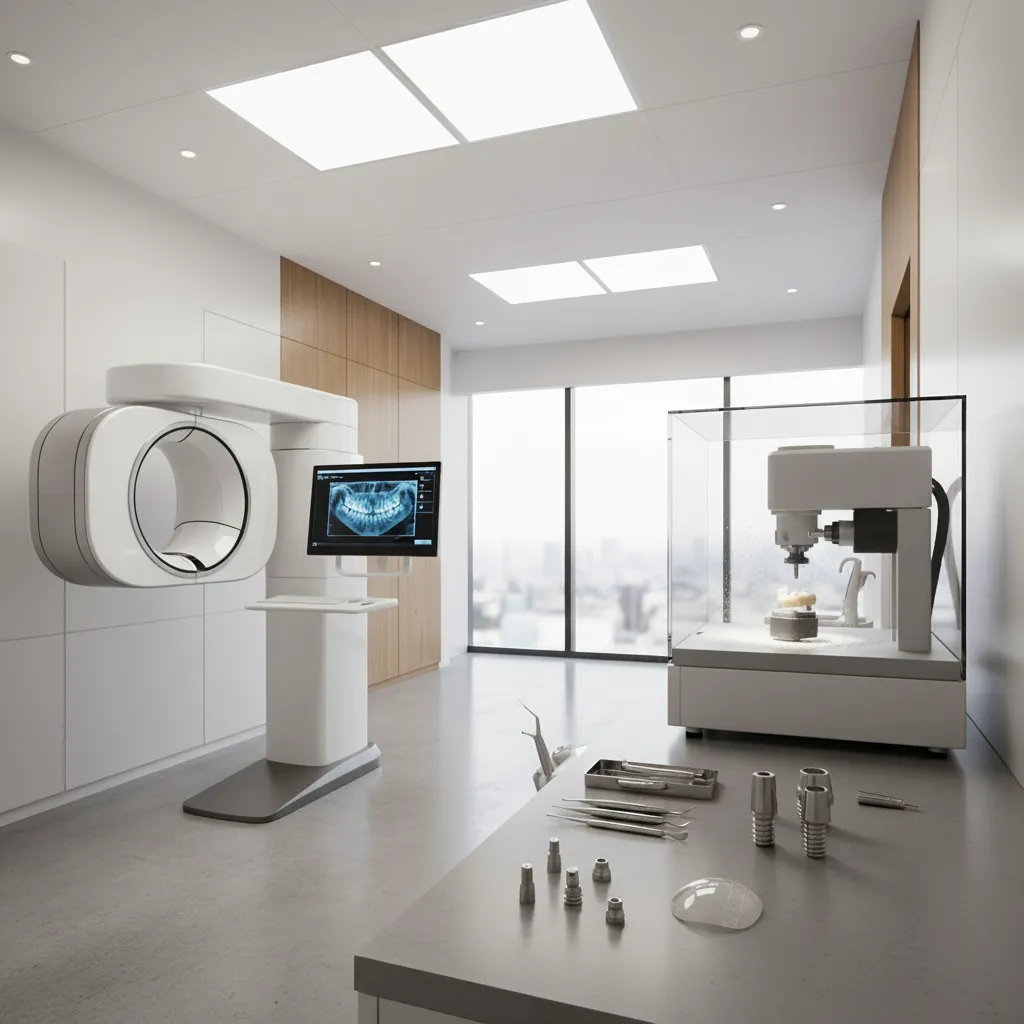
- 3D CT Scans (CBCT): For procedures like dental implants, a Cone Beam Computed Tomography (CBCT) scan is the gold standard. It provides a detailed 3D image of your jawbone, nerves, and sinuses, allowing for precise and safe implant placement.
- CAD/CAM Technology: Computer-Aided Design/Computer-Aided Manufacturing allows for the in-house creation of highly accurate and aesthetically pleasing crowns, veneers, and bridges. This often means a faster turnaround time and a better fit.
- Premium Implant and Crown Brands: Ask specifically what brands of implants, crowns, or veneers they use. Reputable clinics use globally recognised brands known for their durability and biocompatibility. The long-term success of dental implants is heavily influenced by the quality of the implant itself, a fact supported by extensive clinical research. A study published on the National Center for Biotechnology Information website highlights the various factors affecting implant survival rates, reinforcing the need for high-quality components and surgical expertise.
A Step-by-Step Guide to Pick a Dentist in Turkey
Navigating the selection process from thousands of kilometres away can be broken down into manageable steps. Following a structured approach will help you stay organised and make an informed, confident decision. This journey is not just about finding a service; it’s about building trust with a medical team that will be responsible for a critical aspect of your health and well-being.
Step 1: Comprehensive Online Research and Shortlisting
Your search will begin online. Use targeted search terms and cast a wide net initially. Once you have a list of potential clinics, start narrowing it down. Look for clinics that specifically cater to international patients, especially those from Australia. They will have refined processes for communication, travel logistics, and patient care. Rather than relying on testimonials or before-and-after photos, ask for the dentist’s registration details and a written, itemised treatment plan.
Step 2: The Critical Virtual Consultation
Once you have a shortlist of two or three clinics, initiate contact for a virtual consultation. This is your opportunity to interview them. A professional clinic will offer a free, no-obligation consultation, usually via a video call with a patient coordinator and sometimes even a dentist. During this call, you should be prepared to discuss your dental history and goals. You will likely be asked to provide recent X-rays or photos. The quality of this interaction is a major indicator of the clinic’s professionalism. They should be able to answer all your questions clearly and provide a detailed, personalised treatment plan. This plan should outline each step of the procedure, the timeline, and a transparent, itemised cost breakdown. There should be no hidden fees.
Step 3: Evaluating the Treatment Plan and All-Inclusive Services
A quote that is significantly lower than all others should be a red flag, not a reason for excitement. It could indicate compromised material quality or inexperienced staff. The top dental clinics in Turkey for Aussies often provide all-inclusive packages to simplify the experience. A good package should typically include:
- Airport Transfers: VIP transfers between the airport, hotel, and clinic.
- Accommodation: Stays in reputable 4 or 5-star hotels.
- Dedicated Host: An English-speaking patient coordinator or host who is your single point of contact throughout your stay.
- All Medical Fees: This includes the surgeon’s fees, anaesthesia, medications, and all necessary appointments.
Ensure the quote is comprehensive and that you understand what is and isn’t included. Ask about payment schedules and methods. Reputable clinics will not demand full payment upfront before you have even arrived in the country.
When Cost Is the Main Barrier
Many Australian practices meet these standards, but cost remains the biggest obstacle for many people. High running costs, wages, professional indemnity insurance and equipment are reflected in fees. Medicare does not cover most adult dental treatment, and private extras cover usually pays only part of the cost of major work such as implants or full-mouth rehabilitation. Some people delay necessary treatment as a result, which can lead to more complex and costly problems later.
The table below lists what usually changes the cost and what to ask for in a written quote.
| Treatment or item | What usually changes the cost | What to ask for in your written quote |
|---|---|---|
| Implant (including abutment and zirconia crown) | Implant system, whether a bone graft is needed, abutment and crown material, number of visits | The implant brand and system, crown material, and what follow-up and repairs are included |
| Porcelain veneer (per tooth) | Material (porcelain/e.max or composite), number of teeth, lab work and how much tooth is prepared | Material and lab, number of teeth, and whether temporaries and replacements are included |
| Zirconia crown | Material (zirconia, e.max, porcelain-fused-to-metal), lab fees and whether a root canal or build-up is needed | The crown material and lab, and whether the core build-up is itemised |
| All-on-4 full-arch rehabilitation (per jaw) | Number of implants, temporary versus final bridge, bridge material, extractions and grafting | Whether the final bridge is included, how many trips are needed and who handles repairs once you are home |
Extra Factors to Check for Overseas Clinics
- Who treats you: the name, qualifications and experience of the dentist doing the work, not just the clinic’s brand.
- Licensing and accreditation: proper licensing with the Turkish health authorities and any recognised accreditation the clinic holds.
- Named materials: implant system and ceramic brands stated in writing, with records you can take home.
- Realistic timelines: enough time for examination, treatment, adjustments and recovery before a long flight.
- Follow-up at home: how complications will be handled once you are back in Australia, and whether the clinic contributes to the cost of local repairs or return travel.
Travelling from New Zealand instead? Our sister site has a version of this checklist with Kiwi travel and aftercare points: how to pick a dentist in Turkey from NZ.
Further reading
- Register of practitioners — Australian Health Practitioner Regulation Agency (Ahpra)
- Tips for dental patients — Ahpra / Dental Board of Australia
- Policy Statement 2.2.6 – Elective Overseas Dental Treatment — Australian Dental Association
Understanding Warranty Terms and Aftercare Support
One of the biggest concerns for dental tourists is aftercare. What happens if there is an issue once you are back in Australia? This is a vital question to ask during your consultation. Ask for any warranty terms in writing before you pay. For products like implants or crowns, there is often a long-term manufacturer’s warranty, but you also need a guarantee on the clinical workmanship. Ask about the protocol for complications. Reputable clinics will have a system in place, which may involve covering the cost of remedial work with a partner dentist in Australia or covering the costs of a return trip to Turkey for significant issues. A clinic that is vague or dismissive about aftercare should be avoided. Reputable clinics for Australians understand this concern and have clear policies to provide peace of mind.
Clinic Selection Checklist
| Criteria | What to Look For | Why It Matters |
|---|---|---|
| Dentist Credentials | Specialisation in implantology/prosthodontics, university degrees, years of specific procedure experience. | Ensures the highest level of surgical skill and knowledge for your specific treatment. |
| Technology & Equipment | Use of 3D CT Scans (CBCT), in-house CAD/CAM labs, digital smile design software. | Leads to more accurate diagnoses, precise treatments, better aesthetic results, and often faster procedures. |
| Material Quality | Use of globally recognised, premium brands for implants (e.g., Straumann) and veneers (e.g., E.max). | Affects the durability, biocompatibility and longevity of your dental work. |
| Transparency | Clear, itemised treatment plans and quotes. No hidden fees. Open communication. | Builds trust and ensures you know exactly what you are paying for, preventing unexpected costs. |
| Registration and written plan | The dentist’s registration details and a written, itemised treatment plan. | Lets you check who will treat you and exactly what you are paying for. |
| Aftercare & Warranty | Written warranty terms on workmanship. A defined protocol for handling complications post-treatment. | Offers crucial peace of mind and protection for your significant investment in your health. |
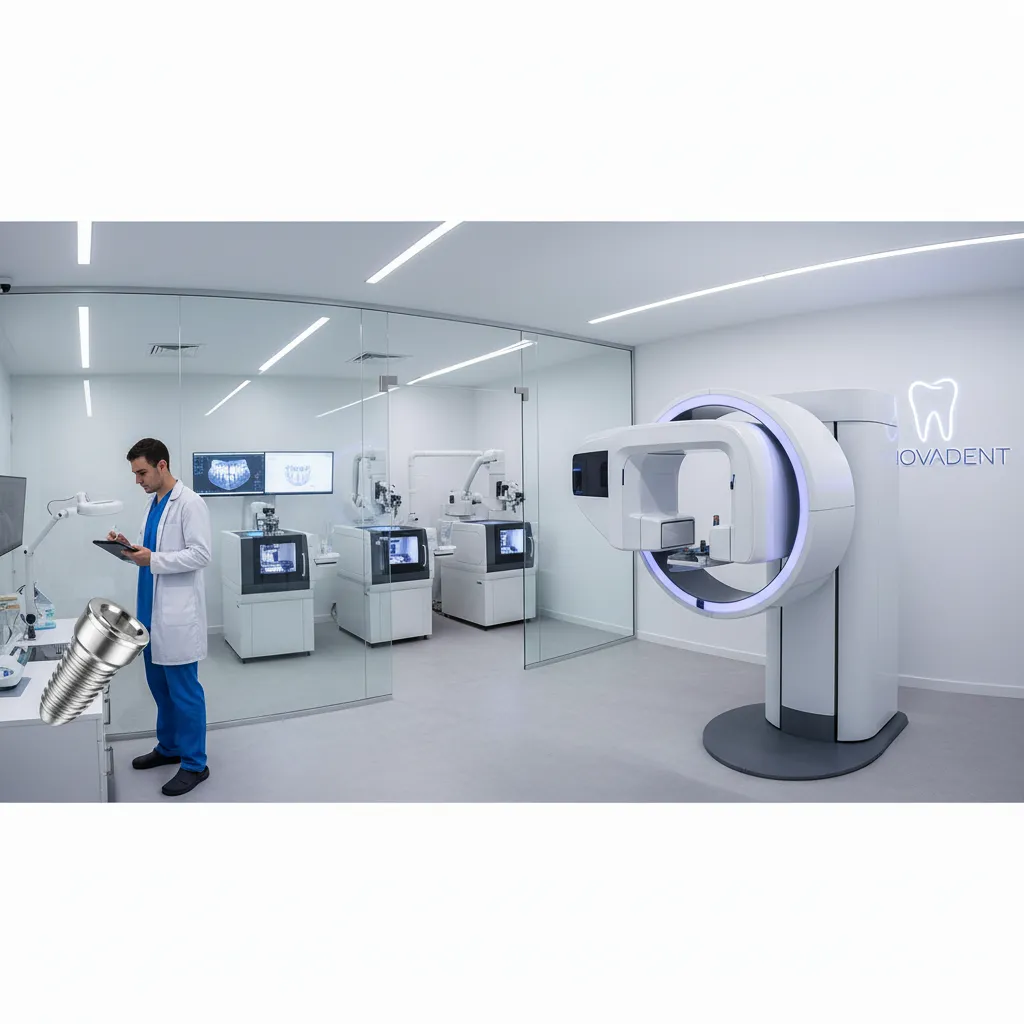
To help you compare potential clinics systematically, use a checklist. This ensures you are comparing them on the same crucial parameters and not getting swayed solely by price or marketing.