Is the 20-Hour Flight to Turkey Worth It?
A practical look at the long-haul trip from Australia to Istanbul for dental treatment: how it fits treatment timelines, what it adds to the cost, and how to prepare.
Editorially reviewed.

For Australians weighing up dental treatment in Istanbul, the journey itself is often the biggest question mark. Getting from Sydney, Melbourne, Brisbane or Perth to Turkey usually means a long-haul trip of around 20 hours or more, including at least one connection. Whether a 20-hour flight to Turkey is worth it depends less on the flight and more on the treatment you need, how many trips it requires, and how well you plan the travel, the treatment and the aftercare back home.
This guide covers how dental treatment fits around long-haul travel, how to prepare, and the honest pros and cons compared with treatment in Australia.
Why the Flight Matters More for Dental Treatment
Unlike a holiday, a dental trip has to fit around a clinical timeline. Some treatments can be completed in a single stay, while others need healing time between stages. Understanding this before you book is the most important step in deciding whether the journey makes sense.
- Veneers and crowns generally involve an assessment, tooth preparation, temporary restorations and fitting of the final restorations, usually over several appointments within one stay.
- Dental implants are typically placed first and then left to integrate with the jawbone for a period of months before the final crown or bridge is fitted. This often means two separate trips, unless a dentist judges that an immediate-loading approach is suitable for your case.
- Bone grafts or sinus lifts add further healing time, and your dentist may advise against flying for a period after some of these procedures because of changes in air pressure.
If your treatment plan requires two long-haul return trips, the time, airfares, accommodation and leave from work all need to be counted in the total cost, not just the treatment fee.
Weighing Up the 20-Hour Flight to Turkey
There is no single right answer, so it helps to look at both sides honestly.
Possible advantages
- Treatment fees in Turkey are often lower than private fees in Australia, which matters because Medicare does not cover most adult dental care and private health extras usually have annual limits.
- Istanbul has many clinics experienced in treating international patients, and longer appointments can sometimes be scheduled close together.
- Some patients combine treatment with time to rest before flying home.
Possible drawbacks
- The total cost includes return flights, accommodation, transfers, travel insurance and time off work, which can narrow the price difference considerably.
- Follow-up appointments, adjustments or complications are harder to manage when the treating dentist is on the other side of the world.
- Australian consumer protections and AHPRA registration do not apply to dentists practising in Turkey.
- Compressed treatment schedules may not suit every case, and long travel straight after surgery can be uncomfortable.
For a small amount of work, the flight and travel costs may outweigh any savings. For more extensive treatment, the balance can look different, but only if the plan is clinically sound and aftercare is arranged in advance.
Preparing Before You Leave Australia
Get your records and a local opinion
Before committing, it is worth seeing a dentist in Australia for an examination and recent X-rays. A local assessment gives you a baseline, helps you compare treatment plans, and means you already have a dentist who knows your mouth if you need follow-up care later. Ask the clinic in Turkey for a written treatment plan that lists each procedure, the materials and implant brand to be used, the number of appointments, and an itemised quote.
Check your general health
See your GP a few weeks before departure, particularly if you have heart conditions, diabetes, a history of blood clots, or take blood-thinning medication. Some medications may need to be discussed with both your doctor and the treating dentist before oral surgery. Do not stop or change any prescribed medication without medical advice.
Plan the timing
Allow a day or two after arrival to recover from jet lag before major treatment, and build in buffer days at the end in case an appointment needs to be repeated or you need a check-up before flying home. Avoid booking a flight the same day as a surgical procedure.
Arrange travel insurance carefully
Many standard travel insurance policies exclude planned medical or dental treatment and its complications. Read the product disclosure statement and ask the insurer directly what is and is not covered.
On the Flight: Staying Comfortable and Safe
Long periods of sitting increase the risk of deep vein thrombosis (DVT). Simple measures help reduce that risk and make the trip more comfortable:
- Get up and walk around the cabin every one to two hours when it is safe to do so.
- When seated, do ankle circles, foot pumps and calf raises.
- Consider compression stockings, especially if your doctor recommends them.
- Drink water regularly and limit alcohol and caffeine.
- Eat light meals and try to sleep according to Istanbul time to ease jet lag.
The National Center for Biotechnology Information (NCBI) provides further reading on preventing travel-related venous thromboembolism.
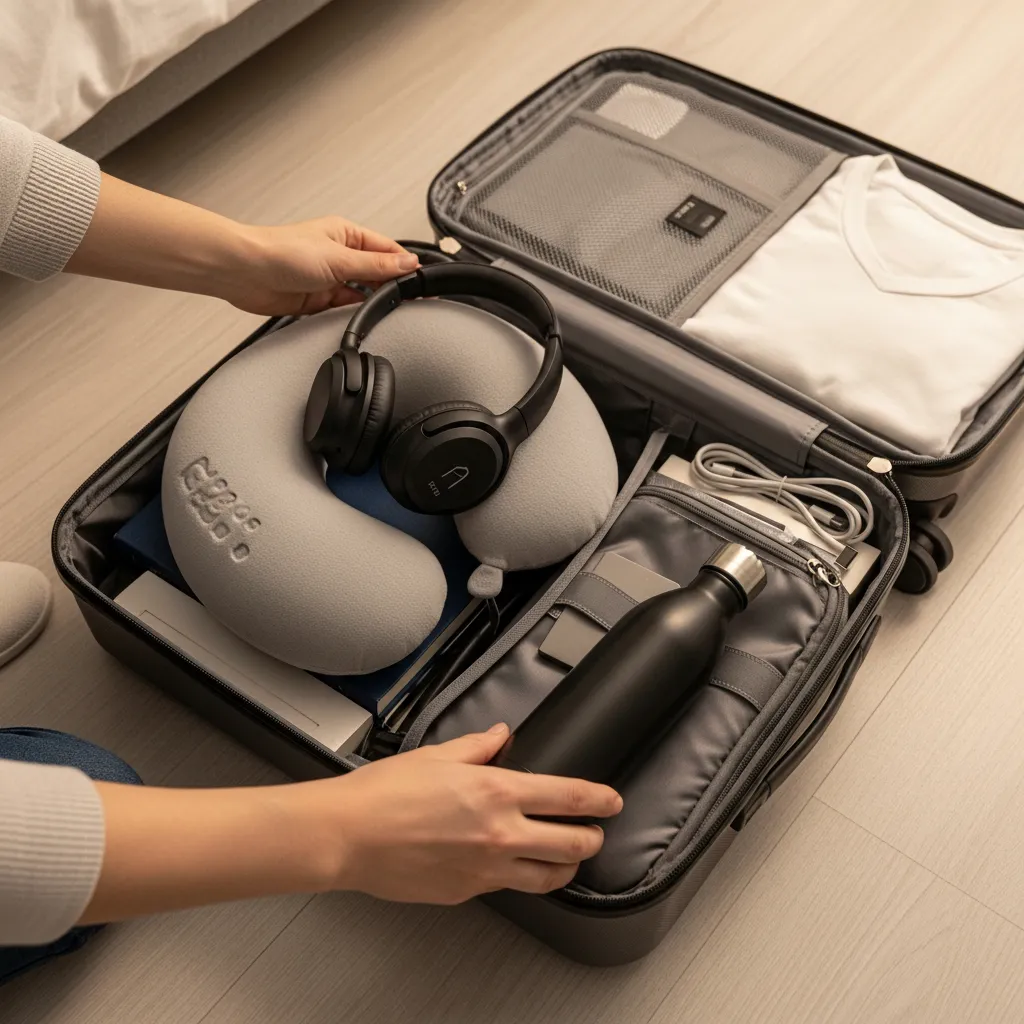
What to pack in your carry-on
- Passport, travel and insurance documents, and copies of your treatment plan and dental records
- Prescription medications in original packaging, with a copy of the prescription
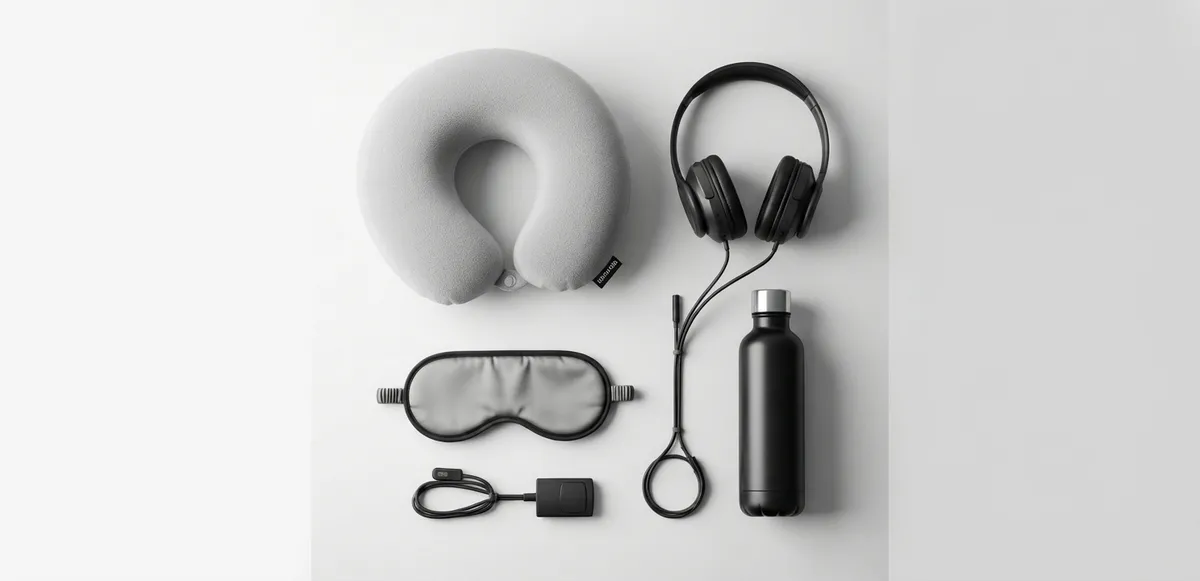
- Neck pillow, eye mask and headphones
- A soft toothbrush, toothpaste and a refillable water bottle
- A change of comfortable clothes
A Suggested Preparation Timeline
| Time before departure | Action items | Purpose |
|---|---|---|
| 4–6 weeks | Have an examination with an Australian dentist, review the written treatment plan, book flights and accommodation, see your GP. | Confirm the plan is suitable and get medical clearance. |
| 2 weeks | Follow any pre-treatment instructions from the clinic, check travel insurance cover, buy compression stockings if advised. | Make sure you are medically and practically ready. |
| 1 week | Start shifting your sleep pattern towards Istanbul time and confirm appointment dates and airport transfers. | Reduce jet lag and finalise arrival plans. |
| 72 hours | Focus on hydration, pack your luggage and carry-on, charge devices. | Arrive in good condition and organised. |
| 24 hours | Check passport, documents and clinic correspondence, eat a light meal and rest. | Ensure a calm departure day. |
After Treatment: The Flight Home and Aftercare
Ask the treating dentist when it is safe to fly after your procedure and what to do if you notice swelling, bleeding, pain that worsens or signs of infection during the trip. Keep any prescribed medications and written aftercare instructions in your carry-on. Soft foods, careful cleaning and avoiding alcohol after oral surgery are commonly advised, but follow the specific instructions you are given.
Back in Australia, book a check-up with your local dentist. Ask the Turkish clinic in advance for copies of X-rays, implant details (brand, size and batch information) and a summary of the work done, as your Australian dentist will need these for ongoing care. It is also sensible to ask the clinic, in writing, how they handle complications or adjustments after you have returned home and who covers the cost.
If you are comparing package offers, read our overview of Turkey dental packages with flights and hotel and check exactly what is included and excluded before paying a deposit.
Frequently Asked Questions
How long is the flight from Australia to Istanbul?
Most itineraries take around 20 hours or more including a connection, depending on your departure city, airline and layover time.
Is it safe to fly straight after dental implant surgery?
This depends on the procedure and your health. Some procedures, such as sinus lifts, may require a period without flying. Your treating dentist should give you specific advice before you book your return flight.
How many trips will I need for dental implants in Turkey?
Many implant treatments require two visits, separated by a healing period of several months, but the exact plan depends on your bone quality and the technique your dentist recommends.
Whether the journey is worthwhile is a personal decision that depends on your clinical needs, budget and circumstances. Before deciding, have an individual examination and obtain a written treatment plan from a qualified, registered dentist, and make sure you understand how follow-up care will be handled.