Dental Crown Cost Australia – Full Breakdown
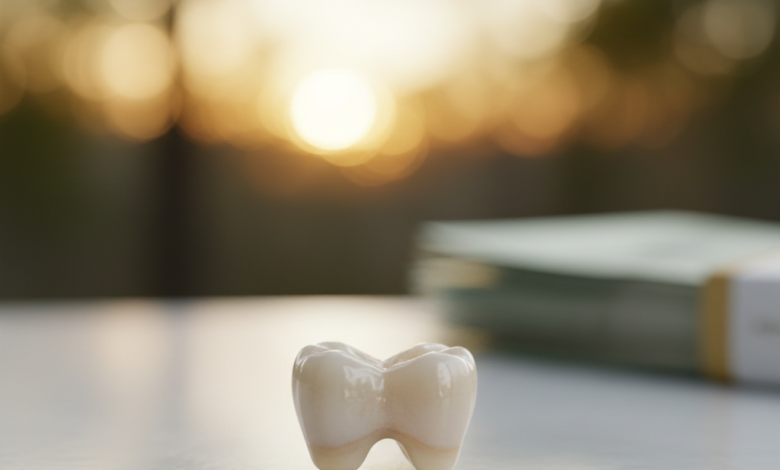
Table 1: Estimated Average Dental Crown Costs in Australia by Material
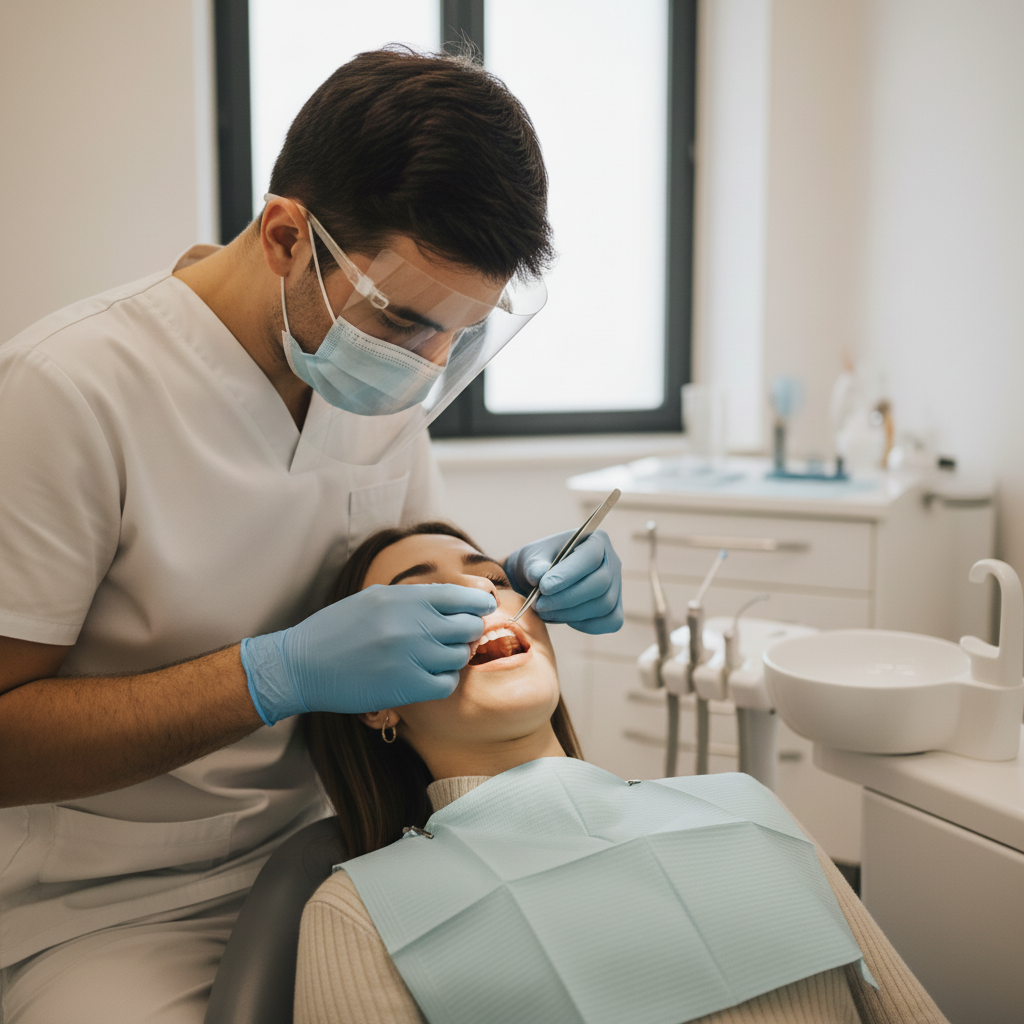
Dental Crown Cost Australia – Full Breakdown
Dental crowns serve as vital restorations, offering both protection and aesthetic enhancement for damaged teeth. For many Australians, understanding the financial commitment involved in receiving a dental crown is a crucial first step in their oral health journey. This comprehensive guide aims to demystify the various factors that influence the overall cost of a dental crown in Australia, providing a transparent look at what patients can expect to invest in their smile and oral well-being.
What is a Dental Crown?
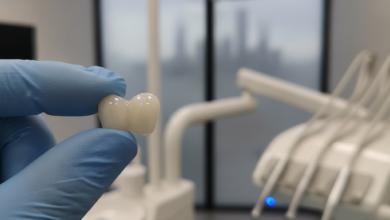
A dental crown, often referred to as a “cap,” is a custom-made prosthetic device that encases the entire visible portion of a damaged tooth. Its primary purpose is to restore the tooth’s shape, size, strength, and improve its appearance. Crowns are typically recommended in cases where a tooth is severely decayed, fractured, worn down, or after a root canal procedure to protect the weakened tooth. They can also be used for cosmetic reasons, such as covering discoloured or misshapen teeth, or to anchor a dental bridge.
The materials used for dental crowns vary widely, each with distinct properties affecting durability, aesthetics, and, consequently, cost. Common materials include:
- Porcelain or Ceramic: These are popular for their natural tooth-like appearance, making them ideal for front teeth. They are metal-free and biocompatible.
- Zirconia: A highly durable, tooth-coloured ceramic material known for its strength and aesthetic appeal. It’s often chosen for both front and back teeth due to its resilience.
- Porcelain Fused to Metal (PFM): Offers a good balance of strength and aesthetics. The metal substructure provides durability, while the porcelain overlay offers a natural look. However, a dark line may be visible at the gum line over time.
- Metal Alloys (Gold, Nickel-Chromium, Palladium): These crowns are exceptionally strong and highly resistant to fracture and wear. They are typically used for molars where biting forces are strongest and aesthetics are less of a concern. Gold crowns, in particular, are known for their longevity and gentle wear on opposing teeth.
- Resin: Less expensive than other crown types, but also less durable and more prone to wear and fracture. They are often used as temporary crowns.
Factors Influencing Dental Crown Cost Australia
The price of a dental crown in Australia is not uniform and can fluctuate significantly based on several key variables. Understanding these factors is essential for patients to budget effectively and make informed decisions. One primary consideration for the patient will always be the overall Dental Crown Cost Australia.
Material Type
As discussed, the choice of material is a major determinant of cost. Porcelain and zirconia crowns generally sit at the higher end of the price spectrum due to their superior aesthetics and advanced manufacturing processes. PFM crowns offer a mid-range option, while full metal or gold crowns can vary, with gold often being more expensive due to the material’s market value. Resin crowns are the most economical but least durable.
Complexity of the Procedure
The extent of preparatory work required before placing the crown significantly impacts the overall cost. For example:
- If a tooth requires a root canal treatment beforehand, this will be an additional, substantial cost.
- Extensive decay or damage may necessitate a “core build-up,” where the tooth structure is rebuilt to provide a stable foundation for the crown.
- Gum reshaping or other periodontal treatments might be needed if the gum tissue around the tooth is unhealthy or affects the crown’s fit.
Location Within Australia
Dental fees can vary by state, city, and even within different suburbs. Practices in major metropolitan areas or affluent regions may charge more due to higher overheads (rent, staff wages) compared to those in regional or rural settings.
Dentist’s Experience and Clinic Reputation
Highly experienced dentists, specialists, or clinics with state-of-the-art technology and a strong reputation for quality work may command higher fees. This often reflects their expertise, the quality of materials used, and the level of care provided.
Dental Insurance Coverage
For those with private health insurance that includes dental coverage, a portion of the crown cost may be reimbursed. The amount covered depends on the specific policy, the level of coverage (e.g., general dental vs. major dental), and whether annual limits have been reached. Patients should always check with their insurance provider beforehand to understand their out-of-pocket expenses.
Average Dental Crown Cost Australia: A Detailed Breakdown
To provide a clearer picture, here’s an estimated breakdown of dental crown costs across Australia. It’s important to note these are average ranges, and actual prices may vary. These figures typically include the crown fabrication and placement but may not cover all ancillary procedures.
| Crown Material | Estimated Cost Range (AUD) | Key Characteristics |
|---|---|---|
| Porcelain/Ceramic | $1,500 – $2,500+ | Excellent aesthetics, metal-free, suitable for front teeth. |
| Zirconia | $1,800 – $3,000+ | Very strong, highly aesthetic, biocompatible, suitable for all teeth. |
| Porcelain Fused to Metal (PFM) | $1,200 – $2,000 | Good balance of strength and aesthetics, potential for dark gum line. |
| Full Metal (Gold, Alloys) | $1,000 – $2,500+ | Exceptional durability, minimal tooth wear, less aesthetic. |
| Resin | $800 – $1,500 | Most affordable, least durable, often used for temporary solutions. |
Additional Potential Costs
- Initial Consultation and X-rays: Typically $50 – $200.
- Root Canal Treatment: If required, this can add $900 – $2,500, depending on the tooth’s location and complexity.
- Core Build-up: To restore sufficient tooth structure, this may cost $200 – $400.
- Temporary Crown: Often included, but sometimes a small separate fee of $50 – $150.
- Post and Core: If significant tooth structure is lost, a post might be needed for retention, adding $250 – $500.
- Follow-up Appointments: Usually included, but check with your dentist.
The Dental Crown Procedure: Step-by-Step
The process of getting a dental crown usually involves two visits to the dentist, spaced about one to two weeks apart.
Initial Consultation and Diagnosis
The dentist will perform a thorough examination, including X-rays, to assess the tooth’s condition and determine if a crown is the most suitable treatment. They will discuss material options, expected outcomes, and the associated costs.
Tooth Preparation
During the first appointment, the dentist will numb the tooth and surrounding gum tissue. The tooth is then reshaped, removing a small amount of enamel from its surface to make room for the crown. This ensures the crown fits snugly without appearing bulky.
Impressions
After preparation, impressions of the prepared tooth and the surrounding teeth are taken. These impressions are sent to a dental laboratory, where skilled technicians custom-fabricate the crown to precise specifications. Digital impressions (3D scanning) are also becoming common.
Temporary Crown
While the permanent crown is being made, a temporary crown is placed over the prepared tooth. This protects the tooth from sensitivity and further damage, and maintains its position in your bite.
Permanent Crown Placement
During the second visit, the temporary crown is removed. The dentist will then check the fit, bite, and aesthetics of the permanent crown. Once confirmed, the crown is permanently cemented onto the prepared tooth using a strong dental adhesive.
Follow-up Care
After the crown is placed, it’s essential to maintain good oral hygiene, including regular brushing, flossing, and dental check-ups, to ensure the longevity of the crown and the health of the surrounding gum tissue.
Choosing the Right Dental Crown and Provider
Selecting the appropriate dental crown and a reputable dental provider is crucial for a successful and long-lasting restoration.
Material Choice Considerations
Consider your priorities:
- Aesthetics: If the crown is for a visible tooth, porcelain or zirconia offers the best natural appearance.
- Strength: For back teeth that endure heavy biting forces, zirconia or metal crowns might be preferable.
- Biocompatibility: Patients with metal allergies should opt for metal-free options like ceramic or zirconia.
Discuss these factors thoroughly with your dentist, who can recommend the best material based on your specific needs, oral health, and budget. For more insights into cosmetic options, consider exploring reputable cosmetic dentistry resources.
Questions to Ask Your Dentist
- What material do you recommend for my situation and why?
- What is the total cost, including all associated procedures?
- Do you offer payment plans or financing options?
- What is the expected lifespan of the crown?
- What is your warranty or guarantee policy for crowns?
- Where is the dental laboratory located, and what materials do they use?
Importance of Quality and Longevity
While cost is a significant factor, prioritising quality and the longevity of the crown is paramount. A cheaper crown made from inferior materials or poorly fitted may lead to complications, discomfort, and the need for premature replacement, ultimately costing more in the long run. Investing in a high-quality crown from an experienced dentist provides peace of mind and better long-term oral health outcomes.
Dental Tourism as an Alternative for Australians
Due to the relatively high dental costs in Australia, some individuals explore dental tourism as an alternative. Countries like Turkey, Thailand, and India often offer dental treatments, including crowns, at significantly lower prices. While this can present a cost-effective solution, it requires careful consideration and due diligence. Patients considering dental tourism should thoroughly research clinics and dentists abroad, verify their credentials, and understand the implications for aftercare and potential complications. It is also important to consider travel costs, accommodation, and the time away from work. For reliable information on dental crowns, patients can consult general dental resources such as Wikipedia’s entry on Crown (dentistry).
Maintaining Your Dental Crown
Proper care is essential to maximise the lifespan of your dental crown, which can last anywhere from 5 to 15 years, or even longer, depending on the material, oral hygiene, and biting habits.
Oral Hygiene Tips
Treat your crown just like your natural teeth:
- Brush twice daily: Use a soft-bristled toothbrush and fluoride toothpaste.
- Floss daily: Pay particular attention to the area around the gum line of the crowned tooth to prevent plaque build-up.
- Use mouthwash: An antimicrobial mouthwash can help reduce bacteria.
Regular Check-ups
Routine dental examinations and professional cleanings are vital. Your dentist can monitor the condition of your crown, check for any signs of wear, damage, or gum issues, and address them early.
Lifestyle Habits
Avoid habits that can damage your crown, such as chewing on ice, biting hard objects, or using your teeth to open packages. If you grind or clench your teeth, especially at night, your dentist might recommend a nightguard to protect your crown and natural teeth.
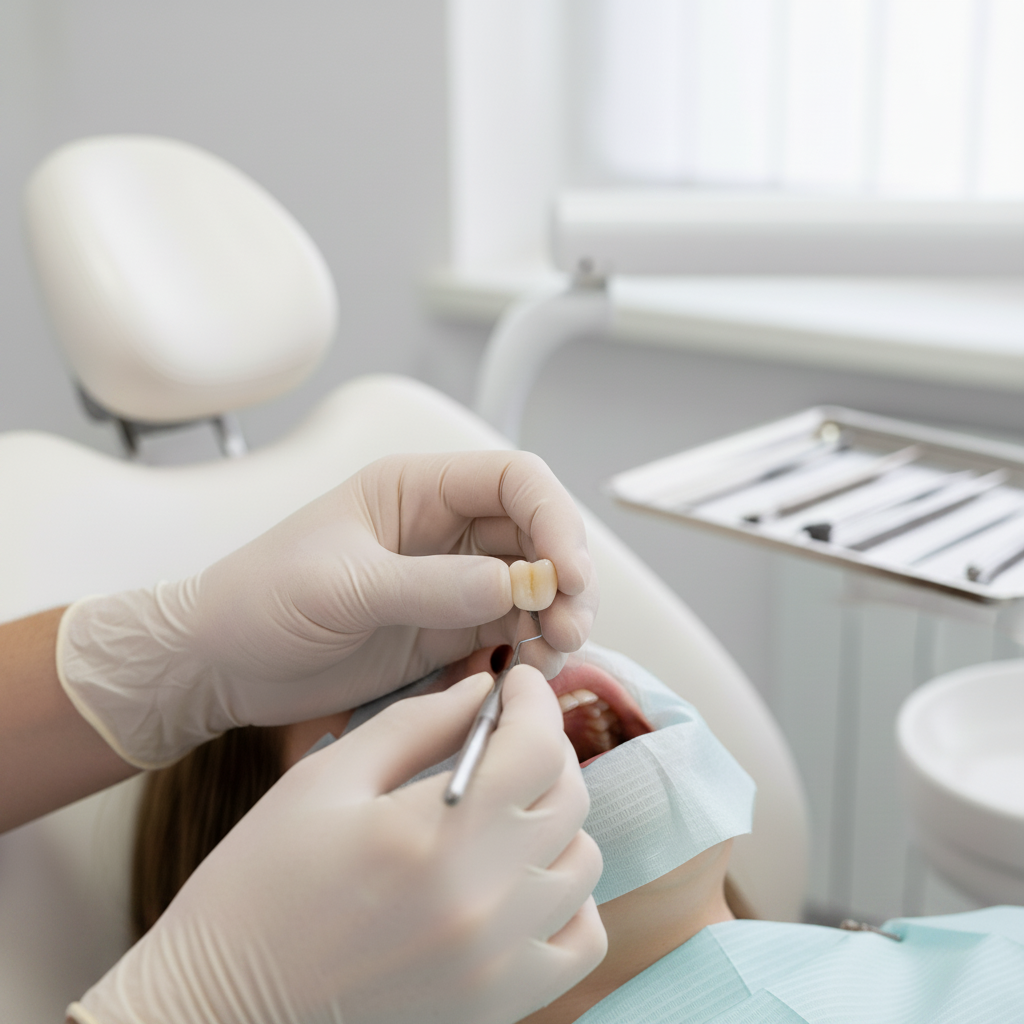
Investing in a dental crown is a significant decision for your oral health and overall well-being. By understanding the factors influencing the Dental Crown Cost Australia, the procedure involved, and the importance of proper care, patients can approach this treatment with confidence and achieve a healthier, more beautiful smile.