Veneers in Australia: Procedure and Results
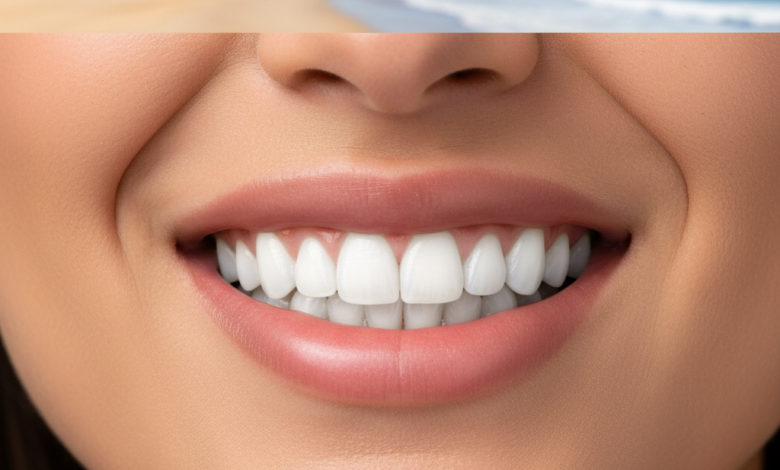
The quest for a perfect smile has led many Australians to explore the transformative power of dental veneers. These thin, custom-made shells, designed to cover the front surface of teeth, can dramatically improve the appearance of discoloured, chipped, misaligned, or unevenly spaced teeth. In Australia, veneers have become a popular cosmetic dental solution, offering a blend of aesthetic enhancement and durable functionality. This comprehensive guide delves into the intricate procedure, the remarkable results, and everything you need to know about embarking on your journey to a radiant smile with veneers down under.
Veneers in Australia: Procedure and Results
The Growing Popularity of Veneers in Australia
Dental veneers are a cornerstone of modern cosmetic dentistry, celebrated for their ability to deliver significant aesthetic improvements with minimal tooth alteration. Essentially, veneers are wafer-thin, custom-made shells of tooth-coloured materials designed to cover the front surface of teeth, enhancing their appearance. They are bonded to the front of the teeth, changing their colour, shape, size, or length. The increasing demand for veneers in Australia reflects a broader trend of individuals seeking non-invasive yet effective ways to boost their confidence through an improved smile. Australians, much like people globally, value both the cosmetic appeal and the long-term benefits of a healthy, bright smile, making veneers a highly sought-after treatment. Factors contributing to this popularity include advancements in dental materials and techniques, leading to more natural-looking and durable results, alongside a growing awareness of available cosmetic solutions.
What Are Dental Veneers and Why Are They Popular?
Dental veneers are typically made from porcelain or composite resin. Porcelain veneers are known for their strength, durability, and ability to mimic the light-reflecting properties of natural teeth, making them highly resistant to stains. Composite veneers, on the other hand, are applied directly to the tooth surface and sculpted by the dentist, often requiring less tooth reduction and being a more cost-effective option. The popularity of veneers stems from their versatility; they can address a multitude of cosmetic concerns, from severe discolouration that cannot be corrected by whitening to minor chips, cracks, gaps between teeth, and even slight misalignments. The treatment offers a relatively quick and profound transformation, often completed in just a few appointments, which appeals to individuals looking for efficient and impactful aesthetic changes.
The Comprehensive Veneer Procedure: A Step-by-Step Guide
Undergoing a veneer procedure is a meticulously planned process that prioritises patient comfort and optimal aesthetic outcomes. It typically involves several stages, each crucial for the success and longevity of the veneers.
| Step | Description |
|---|---|
| 1. Initial Consultation & Smile Design | A thorough examination of your oral health, discussion of your aesthetic goals, and digital smile design to visualise potential results. This involves X-rays, impressions, and photographs. |
| 2. Tooth Preparation | A small amount of enamel (approximately 0.5 millimetres) is removed from the tooth surface to accommodate the veneer. This step is crucial for ensuring a natural fit and appearance. |
| 3. Impression Taking | After preparation, an impression (mould) of your teeth is taken. This impression is then sent to a dental laboratory where your custom veneers will be fabricated. |
| 4. Temporary Veneers (Optional) | While your permanent veneers are being crafted, temporary veneers may be placed to protect the prepared teeth and maintain aesthetics. |
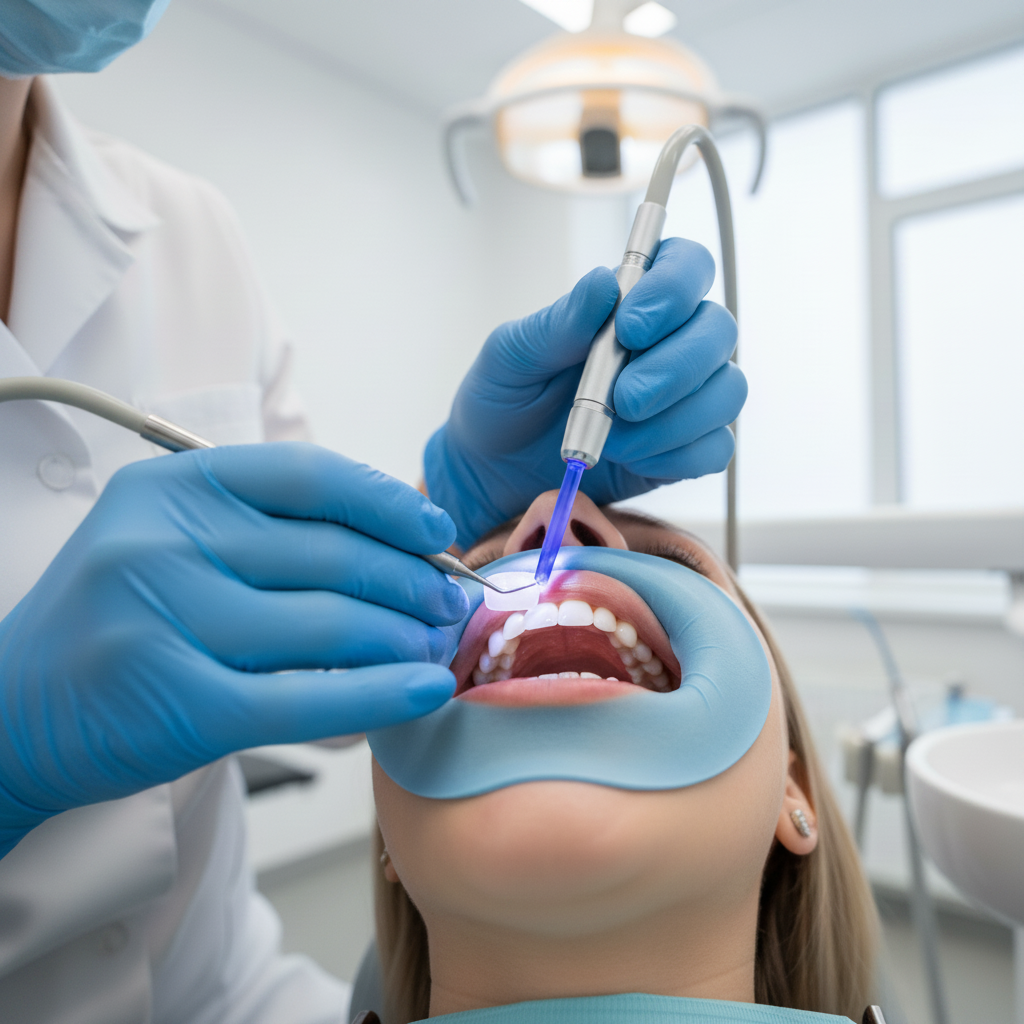
| 5. Veneer Bonding | Once the custom veneers arrive from the lab, they are temporarily placed on your teeth to check fit and colour. After any necessary adjustments, the teeth are cleaned, polished, and etched to create a strong bonding surface. A special dental cement is applied, and a light beam is used to cure and harden the cement, permanently bonding the veneer. |
| 6. Final Adjustments & Follow-up | Excess cement is removed, and your bite is checked. Any final adjustments are made, and a follow-up appointment is scheduled to monitor gum response and veneer placement. |
Initial Consultation and Personalized Smile Design
The journey begins with a comprehensive initial consultation. This critical stage involves a detailed discussion about your desired aesthetic outcomes, an evaluation of your oral health, and a thorough assessment of your existing teeth. The dentist will take X-rays, photographs, and potentially impressions to create a digital model of your mouth. Advanced dental software often allows for a “digital smile design,” enabling you to visualise the potential results before any treatment begins. This collaborative process ensures that the final veneers are tailored to your unique facial features and personal preferences, ensuring a harmonious and natural-looking smile.
Tooth Preparation and Impression Taking
Once the smile design is finalised, the preparation phase commences. For porcelain veneers, a very small amount of enamel, usually about half a millimetre, is meticulously removed from the front surface of the teeth. This minimal reduction is necessary to create space for the veneer, preventing the treated teeth from appearing bulky or unnatural. The exact amount of enamel removal varies depending on the specific case and the type of veneer. After preparation, precise impressions of your teeth are taken. These moulds are then sent to a highly skilled dental laboratory, where expert technicians will custom-craft your veneers to perfectly match the agreed-upon design and shade.
Bonding and Final Adjustments
Upon the arrival of your custom-made veneers from the dental laboratory, the bonding appointment is scheduled. The dentist will first place the veneers temporarily on your teeth without cement to check their fit, shape, and colour accuracy. This is a crucial step where you can provide feedback, and any minor adjustments can be made. Once you and your dentist are completely satisfied, the teeth are thoroughly cleaned, polished, and etched. The etching process roughens the enamel surface slightly, creating a stronger bond. A special dental adhesive is then applied to the veneer, which is carefully placed onto the tooth. A high-intensity light beam is used to activate the bonding agent, ensuring a strong and durable attachment.
Post-Procedure Care and Longevity Tips
After the veneers are bonded, the dentist will remove any excess cement and check your bite to ensure proper alignment and comfort. A follow-up appointment is typically scheduled within a few weeks to assess how your gums are responding to the veneers and to make any final minor adjustments if necessary. While veneers are highly durable, proper care is essential for their longevity. This includes maintaining excellent oral hygiene, such as regular brushing and flossing, and avoiding habits that could chip or damage them, such as biting on hard objects or using your teeth as tools.
Exploring Types of Veneers: Choosing the Right Option for You
The choice between porcelain and composite veneers largely depends on individual needs, aesthetic goals, budget, and the specific dental concerns being addressed. Both materials offer distinct advantages.
Porcelain Veneers: Superior Aesthetics and Durability
Porcelain veneers are renowned for their exceptional aesthetic qualities and remarkable durability. Crafted from high-grade ceramic in a dental laboratory, they closely mimic the translucent quality of natural tooth enamel, allowing light to pass through and reflect in a way that creates a very lifelike appearance. Porcelain is also highly resistant to stains, making them an excellent choice for individuals concerned with maintaining a bright, consistent smile over many years. Their strength ensures they can withstand normal biting forces, and with proper care, porcelain veneers can last 10 to 15 years, or even longer. The process for porcelain veneers generally involves more tooth preparation and takes at least two appointments, as they are fabricated off-site.
Composite Veneers: A Flexible and Cost-Effective Alternative
Composite resin veneers offer a more conservative and often more affordable alternative to porcelain. Unlike porcelain veneers, composite veneers are typically applied directly to the tooth surface by the dentist during a single appointment. The dentist applies layers of tooth-coloured composite resin, which is then sculpted, hardened with a special light, and polished to achieve the desired shape and shade. This direct bonding method means less, if any, tooth enamel needs to be removed. While generally less expensive and quicker to apply than porcelain, composite veneers may not be as stain-resistant or as durable, typically lasting 5 to 7 years. They are an excellent option for minor aesthetic corrections or for those seeking a reversible treatment with a smaller financial commitment. For more information on cosmetic dentistry options, you can visit Veneers & Smile Design.
Transformative Results and the Myriad Benefits of Veneers
The impact of veneers extends far beyond mere cosmetic enhancement; they offer a wealth of benefits that can significantly improve an individual’s quality of life. The results are often immediate and dramatic, yielding a smile that is not only visually appealing but also contributes positively to overall oral health and self-perception.
Achieving Your Dream Smile: Aesthetic Impact
The primary driver for most patients considering veneers is the desire for aesthetic improvement. Veneers can correct a wide range of cosmetic imperfections, including severe discolouration that resists traditional whitening, chips, cracks, and uneven tooth lengths. They can also effectively close small gaps between teeth and correct minor misalignments, creating a more uniform and symmetrical smile. The ability of veneers to dramatically alter the shade, shape, and size of teeth means patients can achieve their “dream smile,” often with stunning and natural-looking results that blend seamlessly with their facial features. This transformation frequently leads to a significant boost in self-confidence and a more positive self-image. For a deeper understanding of the science behind dental aesthetics, authoritative resources like Wikipedia’s entry on Dental Veneers provide comprehensive information.
Beyond Aesthetics: Durability and Functional Advantages
Beyond their aesthetic prowess, veneers offer substantial functional benefits. Porcelain veneers, in particular, are exceptionally durable and can withstand the normal forces of chewing and biting. They provide a protective layer over the natural tooth, guarding against further wear and tear, especially for teeth that may have been weakened by minor damage. This added layer of protection can contribute to the overall longevity of the natural tooth structure. Furthermore, for teeth that are slightly misaligned, veneers can create a more aligned biting surface, potentially improving occlusion and reducing strain on the temporomandibular joint (TMJ) in some cases. The smooth, non-porous surface of porcelain veneers also makes them highly resistant to staining from coffee, tea, and other common food and beverages, ensuring the brightness of your new smile endures.
Maintaining Your Investment: Care for Lasting Veneer Results
While veneers are durable and stain-resistant, their longevity largely depends on proper maintenance and consistent oral hygiene. Treating your veneers with care is crucial to preserving their aesthetic appeal and functional integrity for many years.
Daily Oral Hygiene and Specific Care Instructions
Maintaining excellent daily oral hygiene is paramount for the longevity of your veneers and the health of your underlying teeth and gums. This includes brushing at least twice a day with a soft-bristled toothbrush and a non-abrasive fluoride toothpaste. Flossing daily is also essential to remove plaque and food particles from between teeth and along the gum line, preventing gum disease and cavities that could compromise the veneer’s foundation. While veneers themselves cannot get cavities, the underlying natural tooth can, especially at the margins of the veneer. Avoiding highly abrasive toothpastes or brushes is important as they can scratch the veneer surface over time, dulling its shine.
The Role of Regular Dental Check-ups and Professional Cleaning
Regular dental check-ups and professional cleanings, typically every six months, are indispensable for veneer maintenance. Your dentist will meticulously examine your veneers for any signs of wear, chipping, or debonding, and assess the health of your gums and underlying teeth. Professional cleanings help remove any stubborn plaque and tartar build-up that daily brushing might miss. Dental hygienists are trained to use appropriate tools and techniques that are safe for veneers, ensuring a thorough cleaning without causing damage. These routine visits also allow your dentist to address any potential issues early, preventing minor problems from escalating into more significant and costly repairs.
Tips for Protecting Your Investment
To further protect your veneers and ensure they last as long as possible, it is advisable to adopt certain lifestyle habits. Avoid using your teeth as tools to open packages or crack nuts, as this can lead to chipping or fracturing of the veneers. If you grind or clench your teeth, especially at night (bruxism), your dentist may recommend wearing a custom-fitted night guard. This appliance will protect your veneers and natural teeth from excessive force and wear. While porcelain veneers are stain-resistant, consuming highly pigmented foods and beverages in moderation, or rinsing your mouth with water afterwards, can help maintain their pristine colour over time.
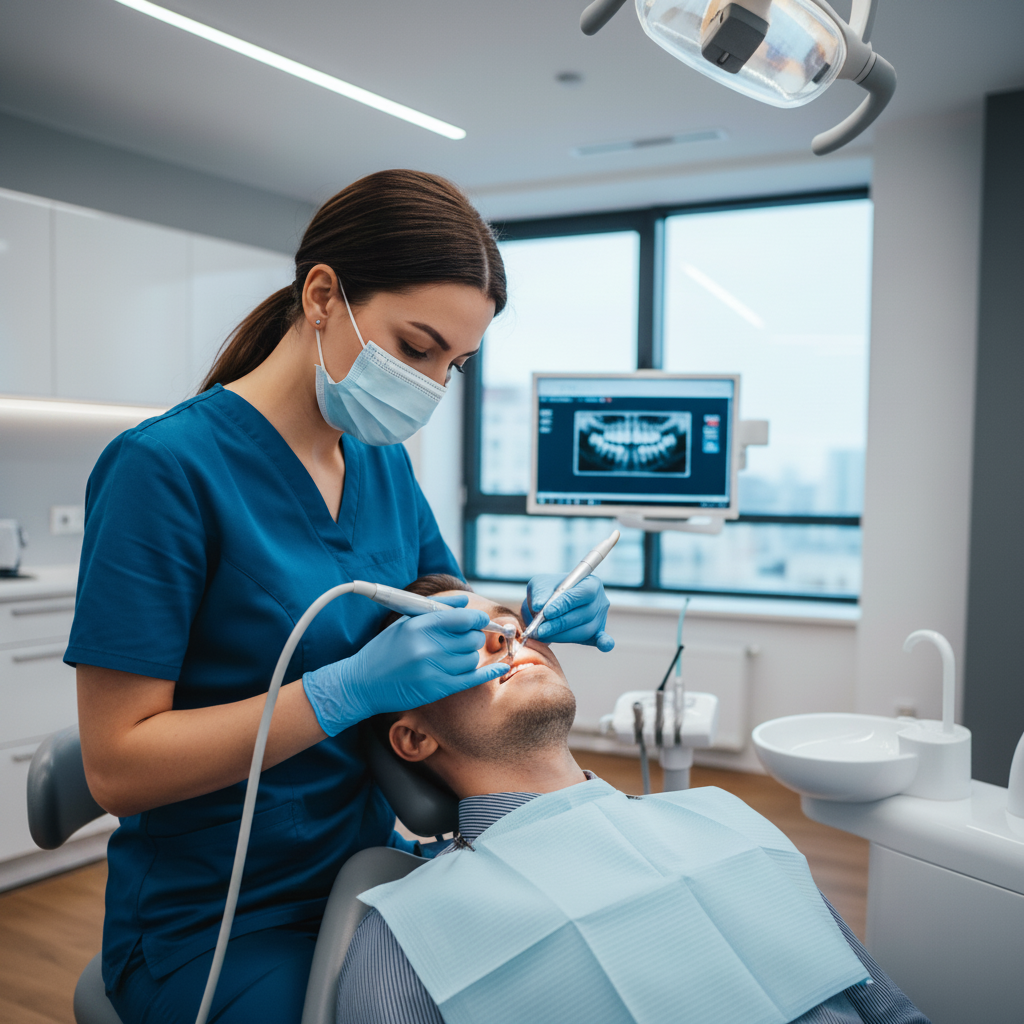
By following these guidelines, you can significantly extend the life of your veneers and enjoy a beautiful, confident smile for years to come.