Root Canal Cost Australia – What to Expect
Root Canal Cost Australia – What to Expect
Root canal treatment, medically known as endodontic therapy, is a crucial dental procedure designed to save a tooth that has become severely infected or decayed. Often shrouded in misconception, a root canal is essentially a repair and preservation process for a damaged tooth, preventing the need for extraction and maintaining your natural smile. While the decision to undergo the procedure is typically driven by pain or diagnosis, a primary concern for many Australians is understanding the financial commitment involved. Navigating the costs associated with a root canal in Australia can be complex, influenced by a myriad of factors. This comprehensive guide aims to demystify these costs, providing clarity on what to anticipate and how to plan for your treatment.
Understanding Root Canal Treatment: What it Involves
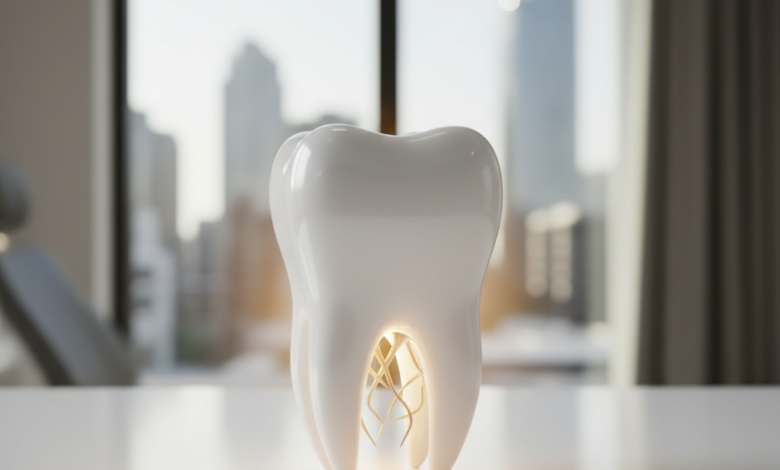
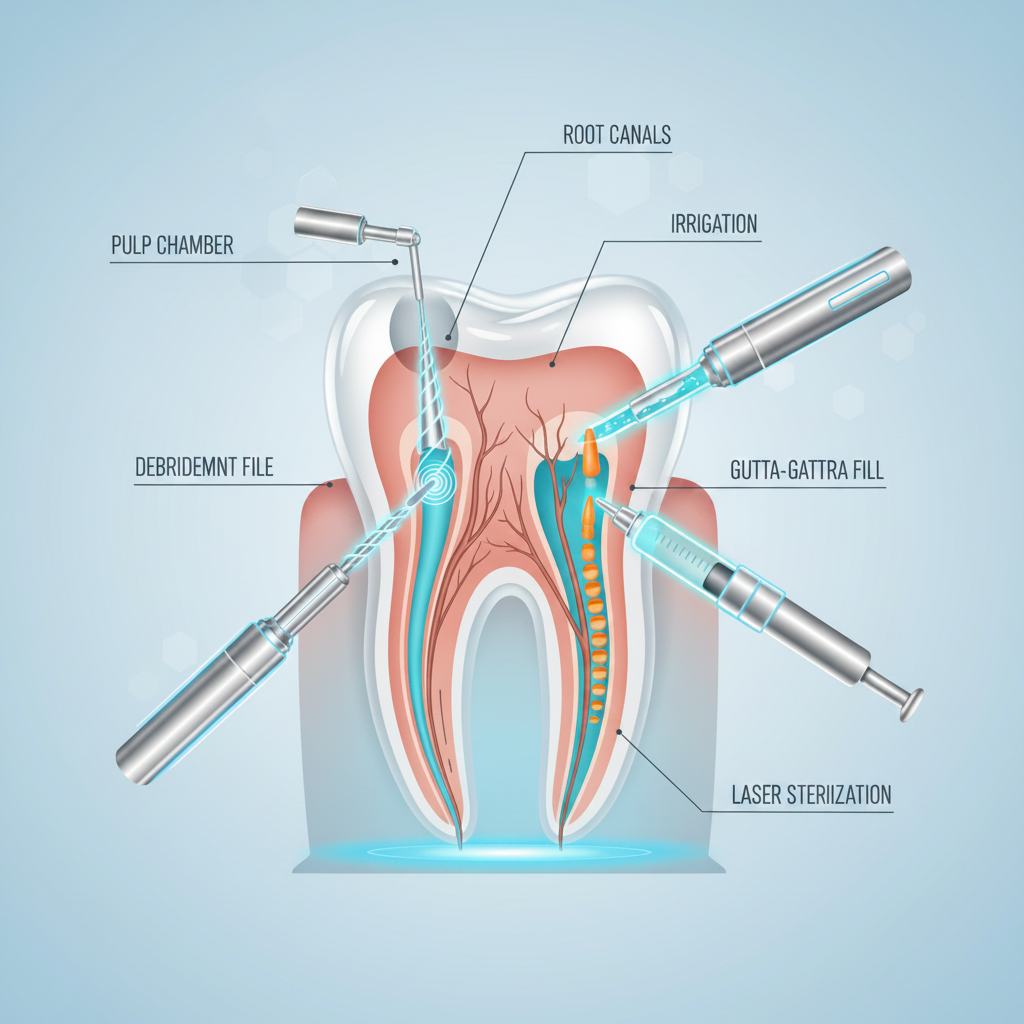
A root canal is necessary when the soft tissue inside your tooth, known as the pulp, becomes inflamed or infected. The pulp contains nerves, blood vessels, and connective tissue, and when compromised by deep decay, repeated dental procedures, cracks in the tooth, or trauma, it can lead to significant pain and risk of abscess. The procedure involves carefully removing the infected or inflamed pulp, cleaning and shaping the inside of the root canal, and then filling and sealing the space. Finally, a crown or other restoration is placed on the tooth to protect it and restore its full function. This process effectively eliminates pain and saves the natural tooth from extraction.
Factors Influencing Root Canal Cost Australia
The cost of a root canal in Australia is not a one-size-fits-all figure. Several variables contribute to the final price, making it essential to understand these elements before commencing treatment.
Location and Clinic Type
Where you live in Australia can significantly impact dental costs. Dental practices in major metropolitan areas, particularly in cities like Sydney or Melbourne, often have higher overheads, which can translate to increased treatment fees compared to regional or rural areas. Similarly, the type of clinic, whether it’s a general dental practice or a specialist endodontic clinic, will affect the price. Endodontists, who specialise in root canal therapy, often charge more due to their advanced training, expertise, and specialised equipment.
Complexity of the Tooth and Procedure
The specific tooth requiring treatment is a major determinant of cost.
- Front Teeth (Incisors and Canines): These teeth typically have a single root canal, making the procedure less complex and generally less expensive.
- Premolars: Located behind the canines, premolars usually have one or two root canals. The cost can be slightly higher than for front teeth.
- Molars: Situated at the back of the mouth, molars are the most complex teeth, often having three or more root canals. The intricate anatomy of molars requires more time and specialised skills, making them the most expensive teeth to treat.
Additional complexities, such as calcified canals, unusual root anatomy, previous failed root canal treatments, or severe infection, can also increase the duration and difficulty of the procedure, thereby raising the cost.
Associated Costs: X-Rays, Anesthesia, and Post-Treatment Restorations
Beyond the core root canal procedure, several other services are typically required and contribute to the overall expenditure:
- Initial Consultation and X-rays: Essential for diagnosis and treatment planning.
- Local Anaesthesia: Administered to ensure patient comfort during the procedure.
- Temporary Filling: Placed after the initial stages of the root canal to protect the tooth until the permanent restoration.
- Post and Core: If significant tooth structure is lost, a post may be inserted into the root canal and a core built up around it to provide adequate support for a future crown.
- Dental Crown: After a root canal, the treated tooth often becomes brittle and susceptible to fracture. A dental crown is almost always recommended to protect the tooth, restore its strength, and ensure its long-term functionality. The type of crown (porcelain, ceramic, metal) will also influence its cost. For more information on crowns, you can explore guides on dental crown cost Australia.
Root Canal Cost Australia: An Estimated Breakdown
Providing exact figures is challenging due to the variables mentioned, but here’s an estimated range for root canal treatment in Australia, excluding the cost of the final crown, which can add significantly to the overall expense. These are general estimates and actual prices will vary based on your chosen clinic, location, and specific case complexity.
| Tooth Type | Estimated Root Canal Cost (AUD, excluding crown) | Additional Factors Increasing Cost |
|---|---|---|
| Front Tooth (Incisor/Canine) | $900 – $1,500 | Complex anatomy, retreatment, specialist referral |
| Premolar | $1,200 – $2,000 | Multiple canals, calcified canals, urgent treatment |
| Molar | $1,500 – $2,500+ | Complex canal system, specialist care, sedation needs |
| Retreatment (Any Tooth) | $1,500 – $3,000+ | Previous treatment failure, removal of existing restorative materials |
Note: These costs typically cover the consultation, X-rays, local anaesthesia, the root canal procedure itself (cleaning, shaping, filling), and a temporary filling. The final permanent restoration, especially a crown, is an additional cost.
The Root Canal Procedure: A Step-by-Step Guide
- Diagnosis and Treatment Planning: The dentist will examine your tooth, take X-rays, and test its vitality to confirm the infection and plan the treatment.
- Anaesthesia: Local anaesthesia is administered to numb the affected tooth and surrounding area, ensuring a pain-free procedure.
- Access Opening: A small opening is made in the crown of the tooth to access the pulp chamber and root canals.
- Cleaning and Shaping: Tiny files are used to meticulously remove the infected pulp and shape the canals, preparing them for filling. Irrigation solutions are used to disinfect the area.
- Filling the Canals (Obturation): The cleaned and shaped canals are filled with a biocompatible material, typically gutta-percha, and sealed with an adhesive cement to prevent reinfection.
- Temporary Filling: A temporary filling is placed in the access opening to protect the tooth until the permanent restoration.
- Permanent Restoration (Crown): In a subsequent appointment, a permanent crown is placed over the treated tooth. This step is crucial for protecting the tooth from fracture and restoring its full function and aesthetic.
Why Invest in a Root Canal? Benefits and Long-Term Value
Preventing Further Complications
- Spread of infection to other teeth, gums, and even other parts of the body.
- Development of a painful abscess.
- Loss of the tooth, requiring more expensive replacement options like dental implants or bridges.
- Chronic pain and discomfort.
A root canal effectively eliminates the infection, relieves pain, and preserves the natural tooth structure. Saving your natural tooth is almost always the preferred option, as it maintains your natural bite, chewing efficiency, and aesthetic. According to the American Association of Endodontists, root canal treatment has a success rate of over 95%, making it a highly reliable procedure for saving teeth. More detailed information about root canal treatment can be found on authoritative sources like Wikipedia.
Alternatives and Their Considerations
The primary alternative to a root canal is tooth extraction. While seemingly a cheaper immediate solution, extraction often leads to additional problems and expenses:
- Impact on Adjacent Teeth: Missing teeth can cause surrounding teeth to shift, affecting your bite and oral alignment.
- Bone Loss: When a tooth is extracted, the jawbone in that area can begin to resorb, leading to changes in facial structure over time.
- Replacement Costs: To prevent the issues above, a missing tooth usually needs to be replaced with a dental implant, bridge, or partial denture, which can be significantly more expensive than a root canal and crown. Over time, saving your natural tooth with a root canal is often the most cost-effective and beneficial long-term solution.
Navigating Payment and Insurance for Root Canals in Australia
Understanding your payment options and insurance coverage is key to managing the cost of a root canal.
Health Insurance and Private Funds
- Your annual limits and how much you have remaining.
- The percentage your fund will cover for specific item numbers related to root canal therapy.
- Any waiting periods that may apply.
- Whether you are covered for specialist endodontist fees if applicable.
Always obtain a detailed treatment plan and item numbers from your dentist so you can get an accurate estimate from your health fund.
Payment Plans and Superannuation
Many dental practices offer payment plans to help patients manage the cost of extensive treatments like root canals. These plans often allow you to pay off the cost in instalments, either interest-free or with low interest, over a set period. Another option, in severe cases, might be to apply for early release of superannuation funds on compassionate grounds to cover essential dental treatment. This is typically reserved for life-threatening conditions or chronic pain where alternative funding is not available, and it requires approval from the Department of Human Services.
Long-Term Care After a Root Canal
After successfully completing your root canal treatment and having the tooth restored with a permanent crown, maintaining excellent oral hygiene is paramount. Regular brushing, flossing, and routine dental check-ups are essential to ensure the longevity of your treated tooth and overall oral health. While the nerve has been removed, the tooth structure itself is still vulnerable to decay or gum disease, just like any other natural tooth. With proper care, a tooth treated with a root canal can last a lifetime, providing a durable and functional solution to severe dental problems.
Understanding the various components of root canal cost in Australia empowers you to make informed decisions about your dental health. While the expense can be a concern, the long-term benefits of preserving your natural tooth, alleviating pain, and preventing further complications far outweigh the initial investment. Consult with your dentist to get an accurate assessment and a clear breakdown of the costs involved for your specific situation.