Why Australians Pay Out of Pocket for Dental Care

At the heart of the issue lies the structure of Australia’s healthcare system, particularly the division between general medical care and dental care. Medicare, the national health insurance scheme, provides universal access to free or subsidised medical services, including GP visits, specialist consultations, and public hospital care. However, dental care is largely excluded from Medicare’s standard coverage for adults, reserving its benefits primarily for children and very limited emergency or highly specific medical conditions that require dental intervention. This fundamental exclusion creates a system where most adults must either pay for dental treatment entirely themselves, rely on private health insurance, or seek care through often overburdened and geographically limited public dental clinics.
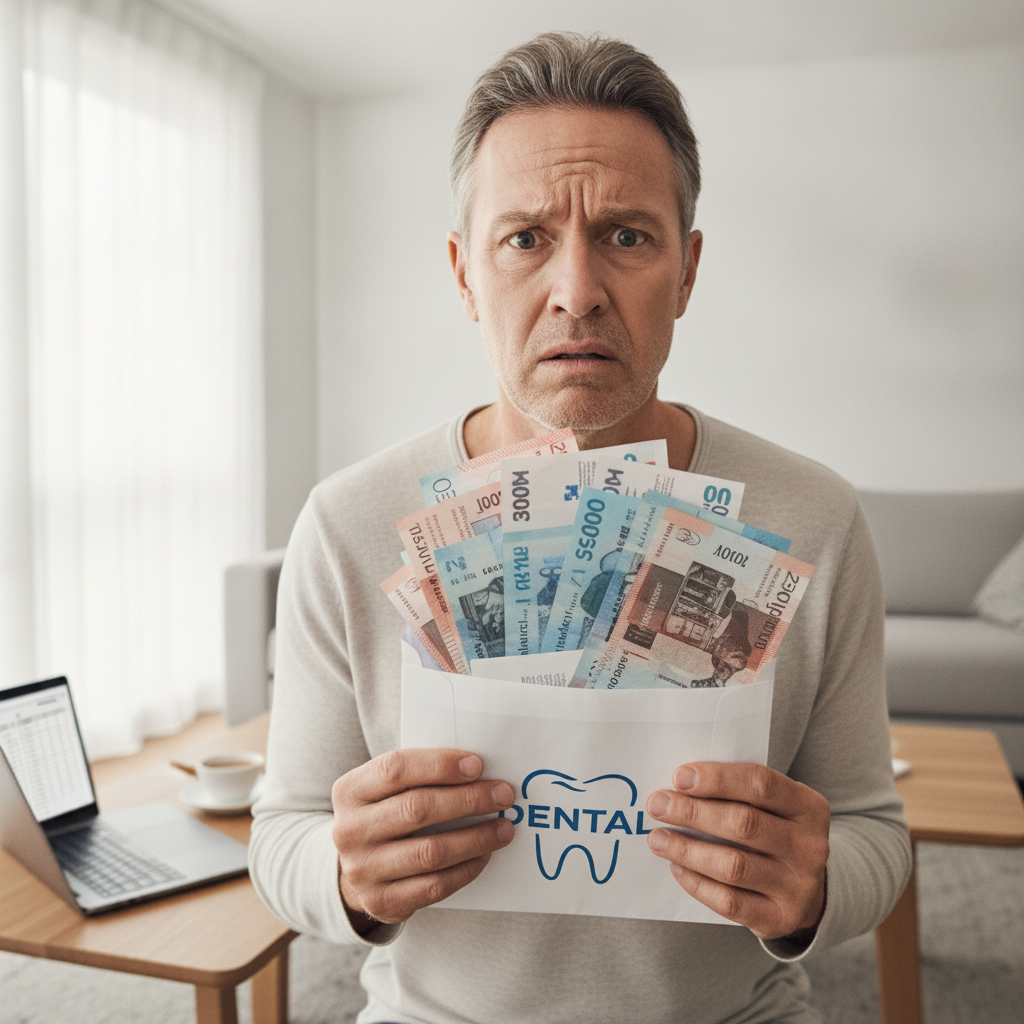
Why Australians Pay Out of Pocket for Dental Care
Australia, renowned for its high quality of life and robust healthcare system, presents a puzzling anomaly when it comes to dental care. Despite a strong medical framework, a significant portion of dental expenses in the country falls directly on the individual, leading to what is commonly known as out-of-pocket payments. This situation contrasts sharply with many other developed nations where dental services are more extensively integrated into public health systems. Understanding the reasons behind this reliance on personal expenditure is crucial for anyone navigating the Australian healthcare landscape.
The Public vs. Private Divide in Australian Dental Care
The Australian dental system operates on a dual model: public and private. Public dental services are funded by state and territory governments and typically cater to eligible concession card holders and children. While these services aim to provide essential care, they are often characterized by long waiting lists, limited scope of treatments, and stringent eligibility criteria. Patients can wait months, or even years, for non-emergency procedures, leading to a deterioration of oral health and potentially more complex, expensive treatments down the line. The demand far outstrips the supply, putting immense pressure on these public facilities and highlighting the gaps in universal access.
Conversely, private dental clinics operate on a fee-for-service model, meaning patients pay directly for the treatment received. These clinics generally offer a wider range of services, shorter waiting times, and more flexibility in appointments. However, the costs associated with private dental care can be substantial, varying significantly based on the procedure, the practitioner’s fees, and the clinic’s location. Basic check-ups, fillings, extractions, root canals, and cosmetic dentistry procedures like veneers or crowns can accumulate into thousands of dollars, making comprehensive dental health an expensive proposition for many. This often leads to difficult choices for individuals and families, sometimes forcing them to delay or forego necessary treatments due to financial constraints. The reality of why dental care is not fully covered in Australia creates a direct link to these out-of-pocket expenses.
Factors Contributing to High Out-of-Pocket Costs
- Lack of Universal Coverage: As mentioned, Medicare does not broadly cover dental services for adults. This is arguably the single most significant factor. Unlike general medical health, oral health has historically been treated as a separate, elective service rather than an integral part of overall health, a view that is increasingly being challenged by health advocates and researchers.
- Private Health Insurance Limitations: While many Australians opt for private health insurance with “extras” cover for dental, optical, and physiotherapy, these policies often come with significant limitations. They typically involve annual limits, waiting periods, and varying levels of rebates. For major dental work, such as orthodontics, implants, or extensive restorative procedures, the insurance rebate often covers only a fraction of the total cost, leaving a substantial gap to be paid by the patient. Premiums for comprehensive extras cover can also be high, adding another layer of expense.
- High Operating Costs: Dental practices in Australia face high overheads, including rent, equipment, staff wages, insurance, and the cost of materials. These operational expenses are naturally passed on to patients through fees. The cost of living and doing business in Australia is generally high, which directly impacts the pricing of services like dentistry.
- Specialisation and Technology: As dentistry advances, so do the costs associated with specialist care (e.g., orthodontists, periodontists, endodontists) and the adoption of cutting-edge technologies (e.g., digital X-rays, 3D imaging, laser dentistry). While these advancements offer improved outcomes, they also come with a higher price tag.
- Geographic Disparities: Access to affordable dental care is often more challenging in regional and remote areas of Australia. Fewer practitioners, longer travel times, and potentially higher fees due to limited competition can exacerbate the problem for those living outside major metropolitan centres.
The Impact on Patient Health and Finances
The necessity for Australians to pay out of pocket for dental care has profound implications for both individual health and financial wellbeing. The most alarming consequence is the deferral or avoidance of necessary dental treatment. Studies consistently show that a significant percentage of Australians delay or forgo dental care due to cost. This can lead to minor issues escalating into severe problems, requiring more invasive and expensive treatments, such as emergency extractions rather than preventative fillings, or even leading to systemic health issues. Poor oral health is linked to a range of chronic diseases, including heart disease, diabetes, and respiratory conditions, underscoring the interconnectedness of oral and general health.
Financially, unexpected or extensive dental work can place immense strain on household budgets. Many individuals find themselves using credit cards, personal loans, or superannuation (early release on compassionate grounds) to cover urgent dental costs. This financial burden can have a ripple effect, impacting savings, investment plans, and overall economic stability. For vulnerable populations, including low-income earners, pensioners, and Aboriginal and Torres Strait Islander communities, the barriers to accessing affordable dental care are even more pronounced, contributing to significant health inequities.
Australians Pay Out of Pocket for Dental Care: Navigating the System and Exploring Alternatives
Given the existing challenges, many Australians are actively seeking ways to manage their dental expenses and access quality care. Preventative care is often highlighted as the most cost-effective strategy. Regular check-ups, professional cleans, and good at-home oral hygiene can prevent major issues from developing, thereby reducing the need for costly restorative work. Some government programs, such as the Child Dental Benefits Schedule (CDBS), offer financial support for basic dental services for eligible children, demonstrating a recognition of the importance of early intervention.
However, for adults requiring more extensive treatments, the options within Australia remain limited for those without substantial private insurance or financial means. This predicament has led to a growing interest in dental tourism. Australians are increasingly looking abroad to countries known for high-quality, affordable dental care, such as Turkey. Destinations like Istanbul have become popular choices, offering state-of-the-art facilities, experienced dentists, and significantly lower costs for procedures like dental implants, veneers, and full mouth restorations. This option allows patients to receive comprehensive treatment without the prohibitive out-of-pocket expenses often encountered domestically, often combining their dental visit with a holiday.
Choosing a dental tourism destination requires careful research and consideration, ensuring that the chosen clinic adheres to international standards of care and that travel arrangements are well-planned. It presents a viable solution for those who find the Australian dental costs insurmountable, allowing them to invest in their oral health without compromising their financial stability.
The issue of out-of-pocket dental costs in Australia is a complex challenge rooted in the historical segregation of oral health from general medical care within the national healthcare system. While the current framework provides some public services for eligible groups, the majority of adult Australians face substantial financial barriers to accessing timely and comprehensive dental treatment. This often leads to neglected oral health, increased financial stress, and a reliance on fragmented solutions. Addressing this systemic issue would require policy reforms that integrate dental care more fully into Medicare or significantly expand public dental services, ensuring that oral health is recognized as an essential component of overall wellbeing, accessible to all, regardless of their socioeconomic status. Until such comprehensive changes are implemented, Australians will continue to grapple with the significant burden of paying out of pocket for their dental care.

For further insights into global dental health issues, the World Health Organization provides extensive data and reports on oral health challenges and policies worldwide, highlighting disparities and potential solutions. Learn more about global oral health challenges from the WHO.