Dental Bridges vs Implants Australia
Losing a tooth can significantly impact not only your smile’s appearance but also your oral health, chewing ability, and overall quality of life. In Australia, individuals seeking effective solutions for missing teeth often find themselves weighing the pros and cons of two primary restorative options: dental bridges and dental implants. Both are excellent choices for tooth replacement, but they differ fundamentally in their structure, procedure, longevity, and impact on oral health. Making an informed decision requires understanding these distinctions, considering individual needs, and consulting with a qualified dental professional. This comprehensive guide will delve into the intricacies of both dental bridges and implants, offering a detailed comparison to help you navigate your options in Australia.
Dental Bridges vs Implants Australia
Understanding Dental Implants: A Permanent Solution
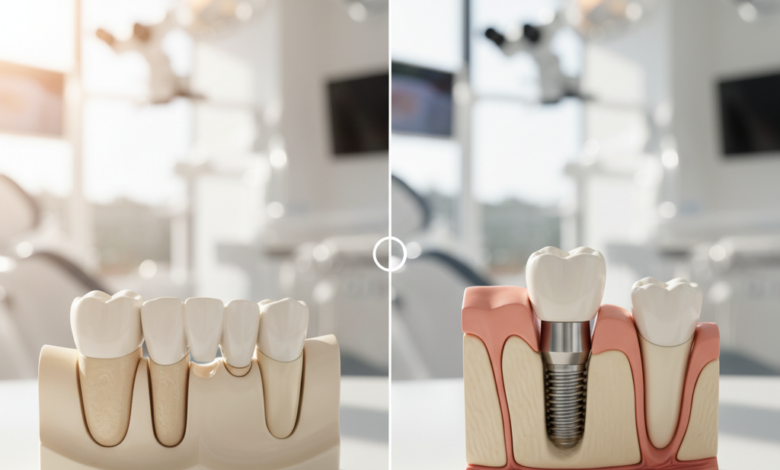
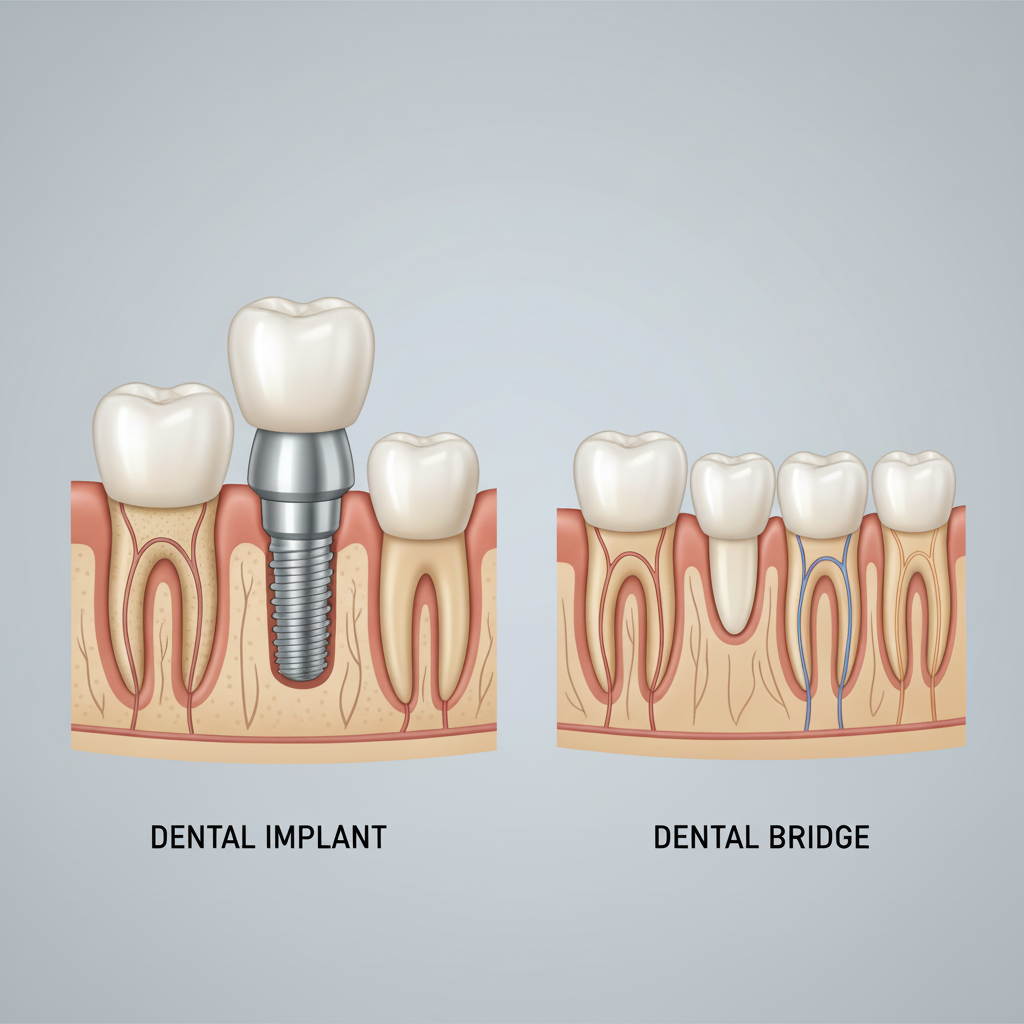
Dental implants are widely regarded as the most advanced and long-lasting solution for missing teeth. An implant consists of three main components: a titanium screw-like post, an abutment, and a custom-made crown. The titanium post is surgically placed directly into the jawbone, where it fuses with the bone over several months through a process called osseointegration. This creates a stable and durable foundation that mimics a natural tooth root. Once osseointegration is complete, an abutment is attached to the implant post, and a custom-fabricated crown is then placed on top, seamlessly blending with your natural teeth.
The procedure for a dental implant typically involves several stages. Initially, a thorough examination, including X-rays and 3D scans, is conducted to assess bone density and determine the ideal placement. The first surgical phase involves placing the titanium implant post into the jawbone. Following this, a healing period of 3 to 6 months is usually required for osseointegration to occur. During this time, a temporary prosthetic might be used to maintain aesthetics. Once the implant has fully integrated, a second minor procedure may be necessary to expose the implant and attach the abutment. Finally, impressions are taken, and a permanent crown is custom-made and fitted, completing the restoration. The entire process, while lengthy, provides a solution that can last a lifetime with proper care.
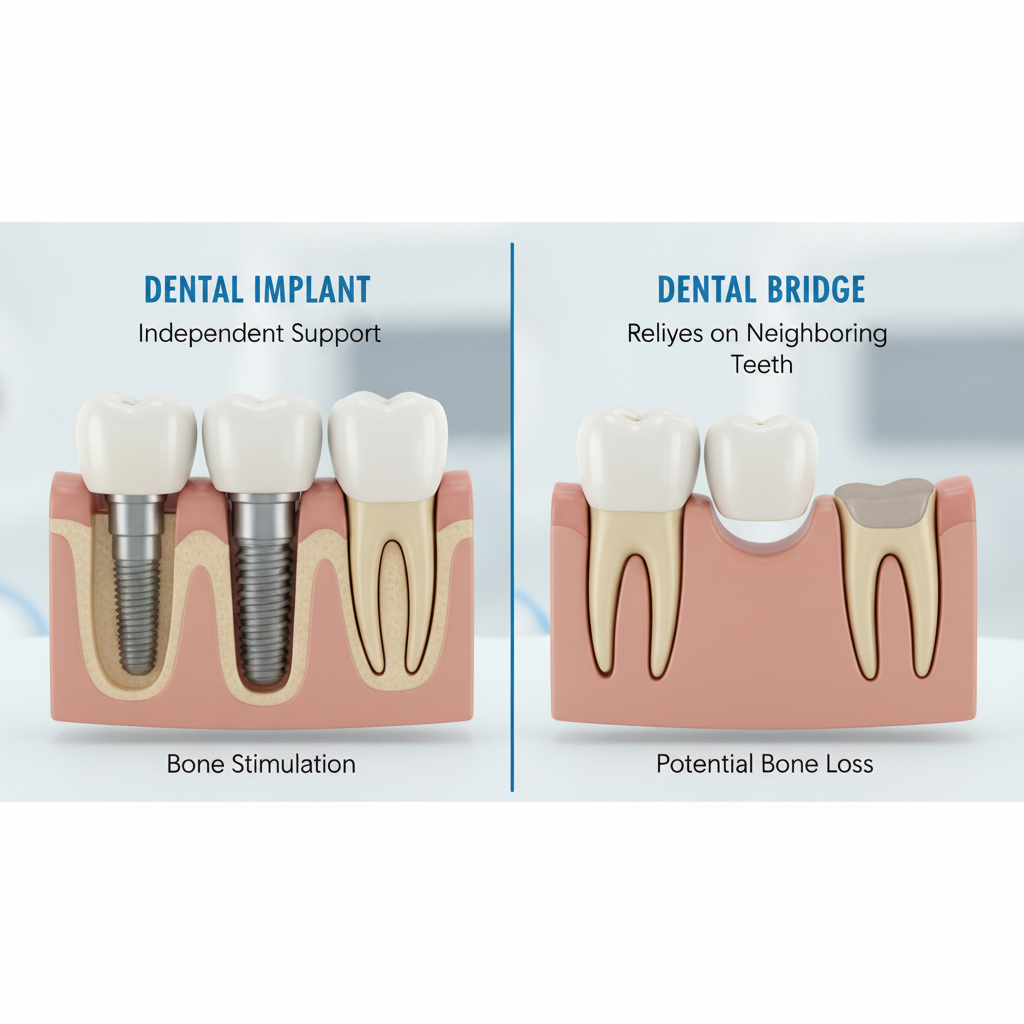
Benefits of dental implants extend beyond mere aesthetics. They prevent bone loss that typically occurs after tooth extraction by stimulating the jawbone, much like a natural tooth root. This helps preserve facial structure and prevents the sagging appearance often associated with tooth loss. Implants also offer superior stability and comfort, allowing patients to eat, speak, and smile with confidence, without worrying about their restoration shifting. Furthermore, adjacent healthy teeth are not affected, as implants do not require altering them, unlike bridges. The success rate of dental implants is remarkably high, often exceeding 95%, making them a highly reliable treatment option.
Understanding Dental Bridges: A Traditional Approach
A dental bridge, as the name suggests, “bridges” the gap created by one or more missing teeth. It typically consists of an artificial tooth (pontic) that is held in place by dental crowns on the natural teeth on either side of the gap. These adjacent teeth, called abutment teeth, must be strong and healthy enough to support the bridge. To prepare the abutment teeth, a dentist will meticulously reshape and reduce them to allow the crowns to fit over them securely.
There are several types of dental bridges:
- Traditional Bridges: These are the most common type and involve creating a crown for the tooth or implant on either side of the missing tooth, with a pontic in between.
- Cantilever Bridges: Used when there are only adjacent teeth on one side of the missing tooth. While an option, they are generally not recommended for back teeth or areas with heavy chewing forces, as they can put excessive strain on the supporting tooth.
- Maryland Bonded Bridges (Resin-Bonded Bridges): These bridges use a metal or porcelain framework that is bonded to the back of the two adjacent teeth. They are less invasive as they require minimal preparation of the abutment teeth but are generally less strong than traditional bridges and are often used for front teeth.
The procedure for a traditional dental bridge usually involves two appointments. During the first visit, the abutment teeth are prepared by removing a small amount of enamel to create space for the crowns. Impressions are then taken of your teeth, which are sent to a dental laboratory to fabricate your custom bridge. A temporary bridge is placed to protect the prepared teeth while your permanent bridge is being made. At the second appointment, the temporary bridge is removed, and the permanent bridge is carefully fitted and adjusted before being cemented into place.
Dental bridges offer a quicker restoration time compared to implants, often completed within a few weeks. They can restore chewing function and aesthetics, preventing the surrounding teeth from shifting into the empty space. Bridges are a good option for individuals who may not be candidates for dental implants due to insufficient bone density or certain medical conditions, or for those seeking a more cost-effective initial solution.
Dental Bridges vs Implants Australia: A Comparative Analysis
When comparing dental bridges and implants, several critical factors come into play, especially when considering the long-term health and financial implications. Both aim to restore function and aesthetics, but their fundamental differences lead to distinct outcomes.
| Feature | Dental Implants | Dental Bridges |
|---|---|---|
| Mechanism | Titanium post surgically fused into jawbone, acting as a new tooth root. Independent restoration. | Artificial tooth (pontic) supported by crowns on adjacent natural teeth. Relies on existing teeth. |
| Impact on Adjacent Teeth | No impact; adjacent teeth remain untouched and healthy. | Requires grinding down healthy adjacent teeth to serve as abutments, potentially weakening them. |
| Bone Health | Stimulates jawbone, preventing bone loss (resorption) and preserving facial structure. | Does not stimulate the jawbone beneath the missing tooth, leading to eventual bone loss in that area. |
| Longevity | Potentially lifelong with proper care (15-20+ years, often permanent). Crown may need replacement after 10-15 years. | Typically 5-15 years, depending on care and materials. Abutment teeth may develop issues over time. |
| Maintenance | Brushing and flossing like natural teeth. Regular dental check-ups. | Requires diligent cleaning under the pontic to prevent plaque buildup and gum disease. Special flossers may be needed. |
| Cost (Initial) | Generally higher initial investment due to surgical procedure and materials. | Lower initial cost compared to implants. |
| Procedure Time | Longer overall treatment time (several months) due to osseointegration period. | Shorter treatment time (typically 2 appointments over a few weeks). |
| Esthetics | Excellent, natural appearance. Integrates fully with the jawbone, preventing gum recession. | Good appearance, but bone loss beneath the pontic can sometimes create a visible gap or sunken look over time. |
| Removability | Permanent and non-removable. | Permanent and non-removable (fixed bridge). |
Factors to Consider When Choosing Between Bridges and Implants
The decision between a dental bridge and an implant is highly personal and depends on a variety of factors.
- Oral Health Status: The health of your jawbone is crucial for dental implants. If you have significant bone loss, you may require bone grafting before an implant can be placed, adding to the cost and treatment time. The health of adjacent teeth is vital for bridges; if they are not strong enough, a bridge might not be feasible.
- Budget: While implants have a higher upfront cost, their longevity can make them more cost-effective over a lifetime compared to bridges, which may require replacement every 5-15 years. It’s important to consider both initial and long-term costs, as well as potential insurance coverage.
- Time Commitment: Implants involve a longer treatment period spanning several months, whereas bridges can be completed in a few weeks. If a quick solution is paramount, a bridge might be preferred, but at the expense of long-term benefits.
- Personal Preference: Some individuals prefer a non-surgical option, while others value the permanence and natural feel of an implant. Your comfort level with surgical procedures should also be a consideration.
- Number of Missing Teeth: For a single missing tooth, both are viable. For multiple missing teeth, implants can support an implant-supported bridge, or individual implants can be placed. Traditional bridges might become less stable with more missing teeth.
- Age and Growth: Dental implants are generally not recommended for individuals whose jawbones are still developing, typically those under 18.
The Consultation Process and Personalized Treatment Plans
The most crucial step in deciding between a dental bridge and an implant is a comprehensive consultation with a qualified dental professional in Australia. During this appointment, your dentist will conduct a thorough examination of your oral health, including detailed imaging like X-rays and potentially 3D scans. They will assess:
- The overall health of your gums and remaining teeth.
- The quality and quantity of your jawbone, especially in the area of the missing tooth/teeth.
- The condition of the adjacent teeth that might serve as abutments for a bridge.
- Your medical history and any pre-existing conditions that could affect treatment outcomes.
- Your aesthetic goals and functional needs.
Based on this assessment, your dentist will explain the most suitable options for your specific situation, detailing the pros and cons of each, the expected treatment timeline, potential risks, and the associated costs. They will work with you to develop a personalized treatment plan that aligns with your health requirements, budget, and lifestyle. This collaborative approach ensures that the chosen solution is the best fit for your long-term oral health. Further information regarding dental procedures and general oral health can often be found on reputable medical resources such as Wikipedia’s entry on Dental Implants.
Long-term Considerations and Maintenance
Regardless of whether you choose a dental bridge or an implant, long-term success heavily relies on diligent oral hygiene and regular dental check-ups.
For dental implants, maintenance is similar to natural teeth:
- Brush twice daily with a soft-bristled toothbrush.
- Floss daily, paying attention around the implant crown.
- Use an antiseptic mouthwash if recommended by your dentist.
- Schedule regular dental check-ups and professional cleanings (typically every six months) to monitor the implant and surrounding tissues.
For dental bridges, specific attention is needed for cleaning beneath the pontic:
- Brush twice daily and floss around your natural teeth.
- Use special tools like a floss threader, interdental brush, or water flosser to clean under the pontic and prevent plaque accumulation, which can lead to gum disease and decay in the abutment teeth.
- Attend regular dental check-ups and cleanings.
Understanding the nuances of each option empowers you to engage in a more meaningful discussion with your dentist. While dental implants generally offer a more comprehensive and enduring solution that preserves bone health and adjacent teeth, dental bridges remain a viable and effective option, particularly for those seeking a quicker or less invasive procedure. The ultimate goal is to restore your smile, function, and confidence with a choice that best serves your individual circumstances.