Restoring Your Teeth: Australia or Turkey?
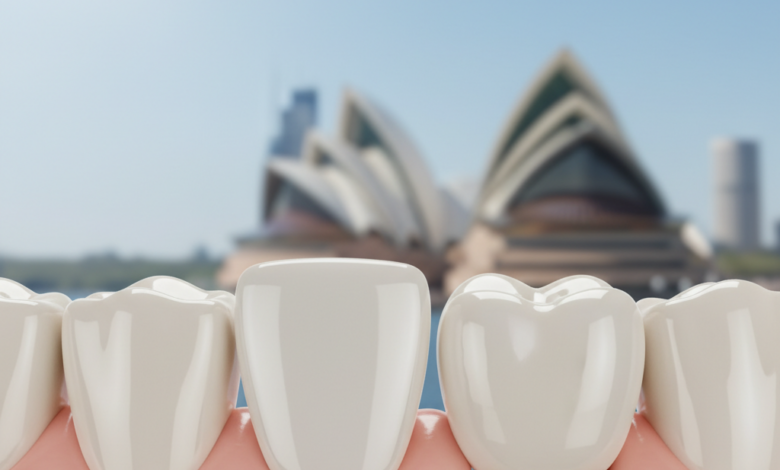
For many Australians, major dental work such as implants, crowns or veneers is one of the largest health expenses they will face, and most of it is paid out of pocket. That is why comparing dental work in Turkey vs Australia has become common for people who need several teeth restored. This article explains why treatment is so expensive at home, what the main restorative options are, what Turkey offers, and the drawbacks you should weigh before booking anything.

Why dental care costs so much in Australia
High dental fees in Australia are the result of several structural factors rather than any single cause. Running a practice is expensive, and those costs are passed on to patients.
- Wages: dentists, hygienists, dental assistants and reception staff are paid in line with Australia’s high cost of living.
- Regulation and insurance: the sector is closely regulated to protect patient safety, which brings compliance costs, and practitioners pay for professional indemnity insurance.
- Equipment and materials: 3D imaging, intraoral scanners, ceramics and implant components are often imported, adding shipping and distribution costs.
- Limited public cover: Medicare covers very little dental care for adults. Private extras cover helps with routine care but typically pays only part of major treatment, with annual limits that can be reached quickly.
Public dental services do exist in each state and territory, but they are generally aimed at concession card holders and often have long waiting lists, particularly for non-urgent work.
Common options for restoring your teeth
“Restoring your teeth” can mean very different things depending on what is wrong. A dentist will usually recommend one or a combination of the following.
Dental implants
An implant is an artificial root, usually titanium, placed surgically in the jawbone. Over several months the bone bonds with the implant (osseointegration). An abutment is then attached and a custom crown is fitted on top. Implants do not rely on neighbouring teeth for support, and they can help limit the bone loss that follows tooth loss. They do involve surgery, take months to complete, and are not suitable for everyone: smoking, uncontrolled diabetes, active gum disease and insufficient bone can all increase the risk of failure.
Crowns
A crown covers a damaged or weakened tooth completely, restoring its shape and strength. Crowns are often recommended after root canal treatment or for a cracked tooth. Zirconia and lithium disilicate (such as E.max) are widely used modern materials. Preparing a tooth for a crown removes a significant amount of tooth structure, so crowns should be used where there is a clinical reason.
Veneers
Veneers are thin shells of porcelain or composite bonded to the front of the teeth to change their colour, shape or small gaps. Porcelain veneers usually require some enamel to be removed, which cannot be reversed, and they will eventually need replacing. Veneers are a cosmetic treatment and are not a substitute for treating decay or gum disease first.
Indicative costs: Australia vs Turkey
The figures below are rough ranges in Australian dollars, approximate for 2026. They vary by case, clinic and materials, and the Turkish prices exclude flights, accommodation and time off work.
| Procedure | Approx. cost in Australia (AUD) | Approx. cost in Turkey (AUD) |
|---|---|---|
| Single implant (titanium fixture + abutment + crown) | $5,000 – $7,500 | $800 – $1,500 |
| Porcelain veneer (per tooth) | $1,500 – $2,500 | $350 – $600 |
| Zirconia crown | $2,000 – $3,000 | $300 – $500 |
| All-on-4 full-arch restoration (per jaw) | $25,000 – $35,000 | $5,000 – $9,000 |
The difference is largest for extensive treatment. For a single crown or veneer, the cost of return flights from Australia and a week’s accommodation can cancel out most of the saving. For more detail on implant pricing, see our article on dental implant prices in Australia and Turkey.
What Turkey offers – and what to be wary of
Istanbul has a large number of clinics that treat international patients, and many are equipped with CBCT scanners and CAD/CAM systems for designing and milling crowns and veneers. Many clinics say they use internationally known implant and ceramic brands, but standards vary between clinics, so ask for the exact brands in writing rather than assuming.
Clinics often advertise packages that bundle treatment with hotel stays and airport transfers. These can be convenient, but the extras are not a sign of clinical quality. Judge the clinic on the dentist and the treatment plan, not the package.
Points of caution
- Over-treatment: some patients are offered a full set of crowns or veneers when less invasive options would be suitable. Getting a second opinion from an Australian dentist before you travel can help.
- Time pressure: crowns and veneers on many teeth in a few days leave little room for adjustments or for spotting problems early.
- Aftercare: if a crown chips, an implant becomes loose or the gums become inflamed after you return, you may have to pay an Australian dentist to fix it or fly back.
- Recourse: Turkish dentists are not registered with AHPRA, so Australian complaint processes do not apply.
- Travel: the trip from Australia to Istanbul involves at least one stopover and usually more than 20 hours of travel, which is tiring and can be uncomfortable after oral surgery. Check that your travel insurance covers what you need; many policies exclude planned medical treatment.
How the process usually works
- Initial assessment from home: you send a recent panoramic X-ray (OPG) and photos. The clinic suggests a preliminary plan and estimate, which can change after an in-person examination.
- Examination on arrival: a clinical exam and, for implants, 3D imaging confirm what is actually needed. Ask for the final plan and an itemised price in writing before treatment starts.
- Treatment: crowns and veneers are commonly completed in one stay of around a week. Implants usually need two trips: one for surgery and a second, after three to six months of healing in Australia, for the final crowns.
- Records and follow-up: take home copies of your X-rays, scans and details of the materials and implant system used, and arrange to see a local dentist for check-ups.
Choosing a clinic
- Qualifications and experience of the treating dentist, including specialist training for implants or complex prosthetic work.
- Proper licensing and accreditation of the clinic.
- Named implant systems and ceramic materials.
- A written treatment plan with transparent, itemised pricing.
- A clear written policy on complications, remakes and who pays for return travel if something fails.
Turkey can make extensive restorative work considerably cheaper, but it comes with travel, follow-up and recourse trade-offs that do not apply when you are treated close to home. Before deciding, have an individual examination and a written treatment plan from a qualified, licensed dentist so you know exactly what treatment you need.

Request your personal treatment plan and quote
Tell us briefly what you need. Your request is passed to a dental clinic in Turkey, which will contact you with a treatment plan and price. No obligation.