Dental Implant Prices: Australia vs Turkey in 2026
If you are missing one or more teeth, the cost of dental implants in Australia can be a real obstacle. A single implant with its crown often runs into several thousand dollars, and private health extras rarely cover more than a small part of it. That is why a growing number of Australians compare dental implant prices in Australia and Turkey before deciding. This article looks at the indicative costs in both countries, how treatment in Istanbul is usually organised, and the trade-offs worth weighing before you book a long-haul flight.
What a dental implant actually is
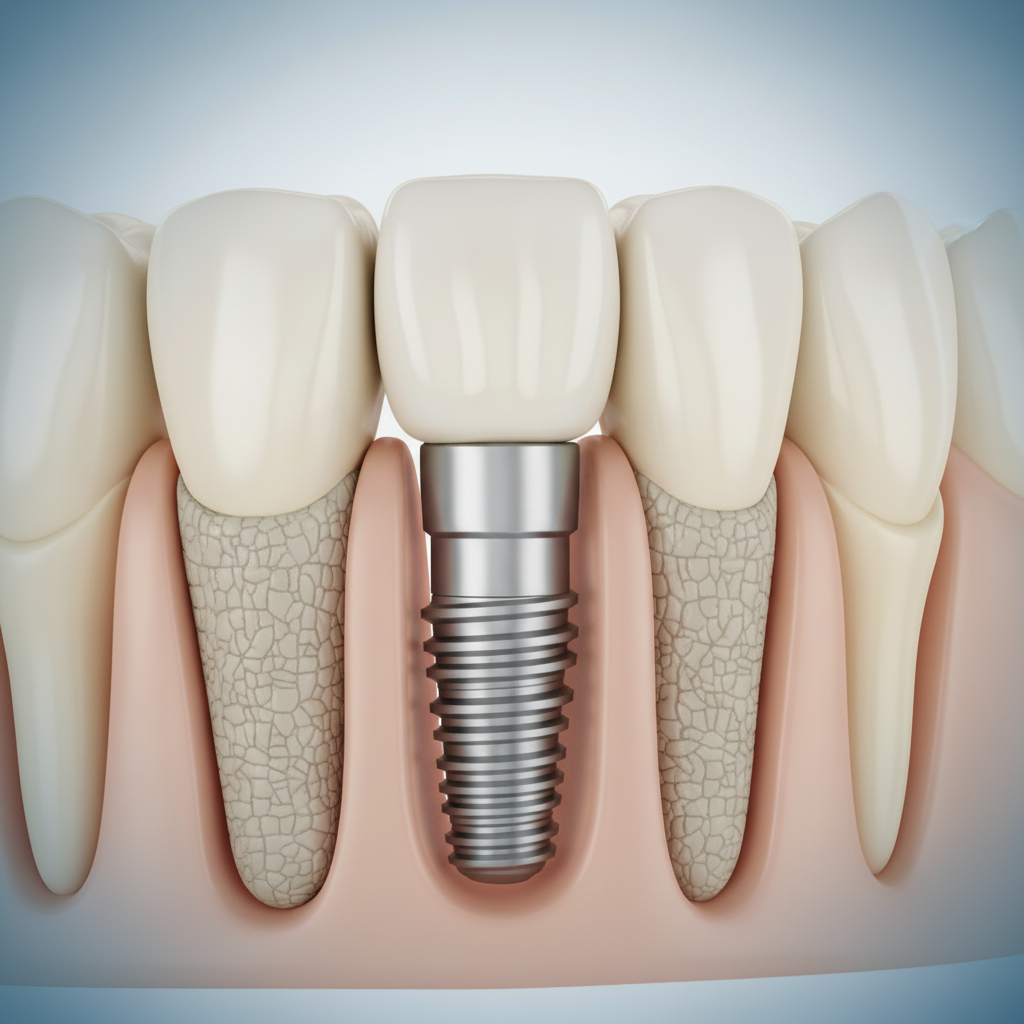
A dental implant is an artificial tooth root, usually made of titanium, that is placed surgically into the jawbone. Over the following months the bone grows around the implant surface, a process called osseointegration. Once the implant is stable, an abutment is attached to it, and the abutment holds the final crown, which is made to match your natural teeth.
Why many dentists recommend implants
- Function and appearance: a well-placed implant crown looks and works much like a natural tooth, so most people can eat and speak normally.
- Longevity: with good oral hygiene and regular check-ups, implants can last for many years, although they are not maintenance-free and can fail.
- Bone preservation: after a tooth is lost, the surrounding bone gradually shrinks. An implant loads the bone in a similar way to a tooth root and can help limit that loss.
- Neighbouring teeth stay intact: unlike a conventional bridge, an implant does not require healthy adjacent teeth to be filed down to support it.
Implants are not suitable for everyone. Uncontrolled diabetes, heavy smoking, active gum disease, certain medications (for example some bone-density drugs) and insufficient bone can all increase the risk of complications. A thorough assessment, ideally with 3D imaging, is needed before any treatment is planned.
Dental implant prices in Australia
In Australia, a single implant including surgery, abutment and crown commonly costs somewhere between about AUD 5,000 and AUD 8,000. For a full-arch restoration such as All-on-4, quotes of roughly AUD 25,000 to AUD 40,000 per jaw are not unusual. These figures are approximate, can change from year to year and depend heavily on the individual case.
What drives the cost at home
- Clinical complexity: extra procedures such as bone grafting or a sinus lift add to the bill.
- Materials and implant system: premium implant brands and crown materials cost more.
- Practice overheads: wages for qualified staff, commercial rent, professional indemnity insurance and imported equipment are all expensive in Australia.
- Limited cover: Medicare does not cover implants for most adults, and private extras policies usually pay only a modest amount towards major dental work, subject to annual limits and waiting periods.
Why Australians look at Turkey
Turkey, and Istanbul in particular, has become a well-known destination for dental tourism. Lower wages, rents and running costs mean clinics can charge considerably less than Australian practices. Many clinics state that they use internationally known implant systems such as Straumann or Nobel Biocare, but this varies, so it is worth asking exactly which brand and which crown material will be used and requesting the implant passport or documentation afterwards.
Indicative price comparison: Australia vs Turkey
The table below shows rough ranges in Australian dollars. They are approximate (2026), vary by case and clinic, and do not include flights, accommodation or time off work.
| Treatment | Approx. cost in Australia (AUD) | Approx. cost in Turkey (AUD) |
|---|---|---|
| Single implant (with abutment and crown) | $5,000 – $8,000 | $800 – $1,500 |
| Bridge on 2 implants (3 units) | $10,000 – $15,000 | $2,000 – $3,500 |
| All-on-4 (per jaw, with fixed prosthesis) | $25,000 – $40,000 | $5,000 – $9,000 |
| Bone graft (per site) | $1,500 – $3,000 | $300 – $600 |
When you compare quotes, add the real extras: return airfares from Sydney, Melbourne, Brisbane or Perth, accommodation for two separate trips, travel insurance, local transport and the income you lose while away. For a single implant, these costs can absorb much of the saving; the gap tends to matter more for multiple implants or full-arch work.
How implant treatment in Turkey is usually organised
Implant treatment abroad is normally split into two trips a few months apart, because the implants need time to integrate with the bone.
Step 1: Remote assessment
Most clinics ask for a recent panoramic X-ray (OPG), which you can have taken at a radiology provider in Australia. Based on this, they suggest a preliminary plan and estimate. Treat this as provisional: the final plan can only be confirmed after a clinical examination and 3D imaging (CBCT) on arrival. Ask for the plan and all costs in writing.
Step 2: First trip – implant surgery
The first stay is often around five to seven days. After examination and CBCT, the implants are placed and any extractions or grafts are carried out. A temporary restoration may be fitted, depending on the case.
Step 3: Healing at home
Back in Australia, healing usually takes about three to six months. During this time it helps to have a local dentist who is willing to see you if you have pain, swelling or a loose temporary.
Step 4: Second trip – final crowns or bridge
On the second trip, again often about a week, the abutments are attached and the final crowns or bridges (commonly zirconia or lithium disilicate such as E.max) are fitted and adjusted for bite and comfort.
Risks and practical points for Australians
- Long flights after surgery: flights to Istanbul from Australia involve at least one stopover and usually more than 20 hours of travel. Sitting for long periods after surgery raises the risk of blood clots, and swelling or bleeding can be harder to manage in transit. Ask the treating dentist how soon you can safely fly.
- Complications and follow-up: infection, implant failure or problems with the crowns can occur anywhere. If something goes wrong after you return, you may face the cost of local repairs or another trip.
- Insurance: many travel insurance policies exclude planned medical treatment overseas and its complications. Check the policy wording carefully, and check Smartraveller for current travel advice.
- Legal recourse: dentists in Turkey are not registered with AHPRA, so Australian complaint mechanisms do not apply.
- Treatment pace: be cautious about plans that compress a lot of surgery into a very short stay or recommend extensive work you were not expecting.
How to check a clinic before you commit
- Qualifications and experience of the dentist who will actually place the implants, including any specialist training in oral surgery or prosthodontics.
- Accreditation and licensing of the clinic with the Turkish health authorities.
- The implant system and crown materials used, named in writing.
- A written treatment plan with an itemised, transparent price and what happens if extra procedures become necessary.
- A clear aftercare and complications policy, including what is covered if an implant fails and who pays for any return trip.
- Copies of your X-rays, CBCT scans and implant records to take home for your Australian dentist.
For more background on planning a trip, see our detailed guide for Australians considering implants in Turkey.
Weighing it up
Turkey can offer substantially lower prices for implant treatment, particularly for multiple implants or full-arch work. Against that, you need to factor in two long-haul trips, limited recourse if problems arise, and the need for aftercare at home. Treatment in Australia costs more but keeps your dentist close by for follow-up and adjustments.
Whatever you decide, have an individual examination and a written treatment plan from a qualified, licensed dentist before committing to any implant treatment, at home or abroad.

Request your personal treatment plan and quote
Tell us briefly what you need. Your request is passed to a dental clinic in Turkey, which will contact you with a treatment plan and price. No obligation.