Dental Costs in Australia vs Turkey: Behind the Price Gap
Australians generally receive high-quality dental care, but the bills can be confronting, and many people put off treatment because of them. When you compare dental costs in Australia vs Turkey, the gap for some procedures is large enough that travelling overseas starts to look tempting. Before deciding whether it makes sense for you, it helps to understand what you are actually paying for at home, why prices in Turkey are lower, and what the lower price does and does not include.
What goes into an Australian dental fee
A dental fee is not just the dentist’s time. It reflects the whole cost of running a practice in one of the more expensive countries in the developed world.
Running costs and wages
Commercial rents in Sydney, Melbourne and Brisbane are high. Practices employ hygienists, dental assistants and reception staff who are paid in line with Australian living costs. Dentists themselves complete a lengthy university degree and must keep up continuing professional development to stay registered.
Regulation, infection control and materials
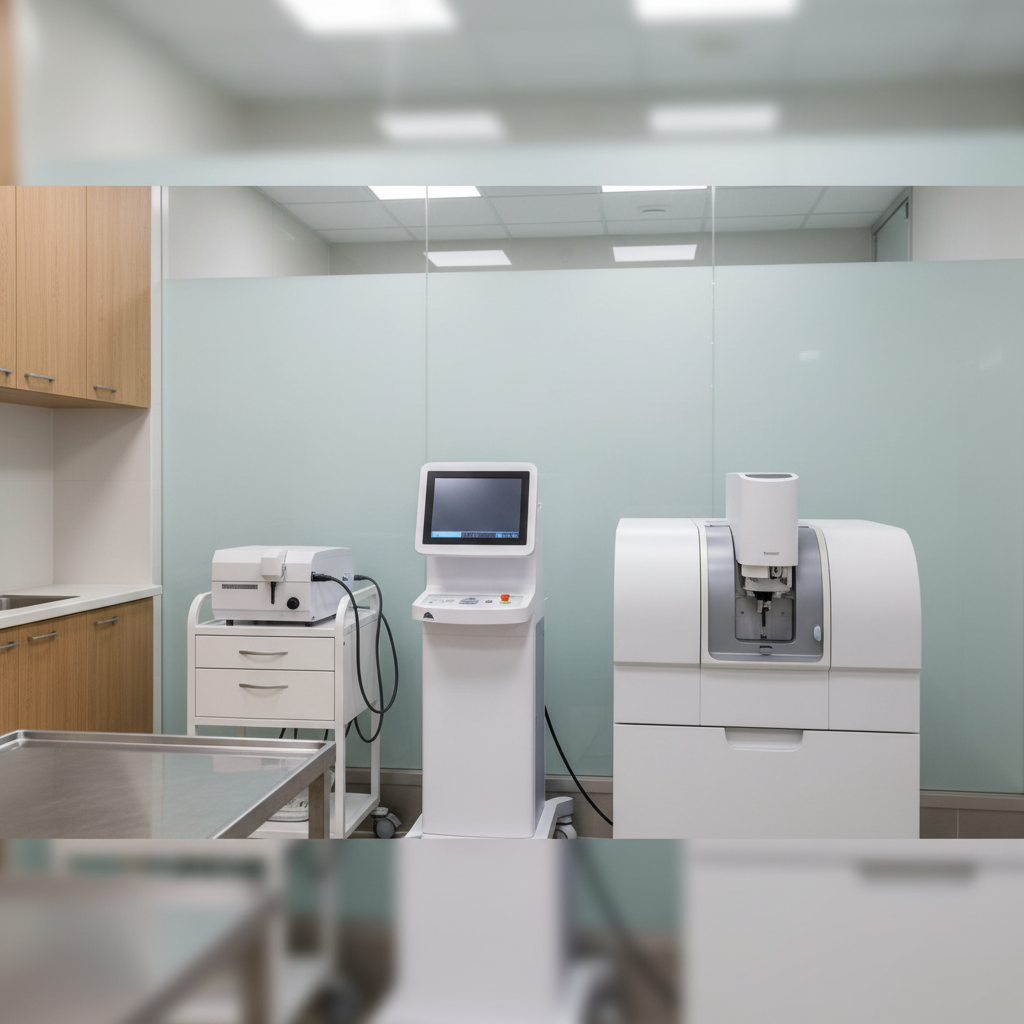
Dentists must be registered with the Dental Board of Australia through AHPRA and meet its standards, including strict infection-control requirements. Dental materials and devices such as composites, ceramics and implant components are regulated by the Therapeutic Goods Administration (TGA) and need to be approved and traceable. This protects patients, but it adds cost. Equipment such as CBCT scanners, CAD/CAM milling units and dental lasers is a major investment for a practice, and that cost is recovered through fees.
Limited public funding
Unlike most medical care, general dental treatment for adults sits largely outside Medicare. Public dental services mainly serve children and concession card holders, and waiting lists for non-urgent care can be long. Everyone else relies on private extras cover or pays directly. Even with a top-level extras policy, annual limits, waiting periods and benefit caps mean that a large share of the cost of major treatment is usually left to the patient.
Dental costs in Australia vs Turkey: indicative ranges
The table shows rough ranges in Australian dollars. They are approximate (2026), vary by case, clinic and materials, and the Turkish figures exclude flights, accommodation and time away from work.
| Procedure | Approx. cost in Australia (AUD) | Approx. cost in Turkey (AUD) |
|---|---|---|
| Single implant (abutment and crown included) | $5,000 – $7,500 | $800 – $1,500 |
| Zirconia crown | $2,000 – $2,500 | $300 – $500 |
| Porcelain veneer (per tooth) | $1,500 – $2,500 | $350 – $550 |
| In-chair (laser-activated) teeth whitening | $800 – $1,200 | $250 – $400 |
| All-on-4 (full arch on implants) | $25,000 – $35,000 | $5,000 – $9,000 |
The difference is most meaningful for extensive work such as full-arch implants or multiple implants and crowns. For a single crown or a whitening session, the cost of return airfares and accommodation can easily outweigh the saving.
Why treatment in Turkey costs less
Lower prices in Turkey largely reflect lower costs: wages, rents and general living costs are well below Australian levels, and exchange rates have tended to favour visitors paying in foreign currency. Many clinics in Istanbul focus specifically on international patients and treat high volumes.
A lower price does not automatically mean lower quality, but it does not guarantee equal quality either. Standards vary considerably between clinics. Some state that they use internationally known implant brands such as Straumann or Nobel Biocare and recognised ceramics; others use less established systems. Claims about technology, certifications or international training should be checked rather than taken at face value.
What “all-inclusive” packages really include
Many clinics sell packages that bundle treatment with airport transfers, hotel nights and an interpreter. These can simplify logistics, but they are marketing features rather than clinical ones. Look at what matters for your health: who the treating dentist is, what materials are used, and what happens if something goes wrong. Our article on implant costs in Istanbul looks at pricing in more detail.
Costs and risks the price list leaves out
- Travel: return flights from Australia to Istanbul involve at least one stopover and usually more than 20 hours each way, plus accommodation and time off work. Implant treatment typically needs two trips several months apart.
- Aftercare: if a crown loosens, an implant fails or an infection develops after you get home, an Australian dentist may charge to manage it, or you may need to fly back.
- Recourse: Turkish dentists are not registered with AHPRA, and Australian consumer and health complaint bodies cannot act on overseas treatment.
- Insurance: many travel insurance policies exclude planned medical treatment and its complications. Your Australian extras cover will generally not pay for treatment overseas.
- Treatment pressure: compressed timelines and package pricing can encourage more extensive treatment than you need, such as crowns or veneers on healthy teeth.
How to plan carefully
If you are considering treatment in Turkey, preparation reduces the risk of unpleasant surprises:
- Get a check-up and, if possible, a written treatment plan from an Australian dentist first, so you have a baseline to compare against.
- Send recent X-rays (an OPG is usually requested) and ask for a written, itemised plan, while understanding it may change after an in-person examination.
- Check the treating dentist’s qualifications and experience, the clinic’s licensing and accreditation, and the named brands of implants and ceramics.
- Make sure you understand the timeline, the number of visits and the aftercare, and that the clinic communicates clearly in English.
- Ask for the clinic’s written policy on complications, remakes and who covers the cost of return travel.
- Be cautious with before-and-after photos and online reviews, which can be selective.

High Australian fees reflect real costs and a strongly regulated system, while lower Turkish prices reflect a different economy and come with travel and follow-up trade-offs. Neither option suits everyone. Whatever you are considering, start with an individual examination and a written treatment plan from a qualified, licensed dentist.

Request your personal treatment plan and quote
Tell us briefly what you need. Your request is passed to a dental clinic in Turkey, which will contact you with a treatment plan and price. No obligation.