Composite Bonding Australia – Procedure Guide
Composite Bonding Australia – Procedure Guide
Composite bonding has emerged as a popular and accessible cosmetic dental procedure across Australia, offering a transformative solution for individuals seeking to enhance their smile without extensive or invasive interventions. This procedure, also known as dental bonding or resin bonding, provides a quick and effective way to address a variety of aesthetic dental concerns, ranging from minor chips and cracks to discolouration and gaps between teeth. Its growing appeal lies in its conservative nature, often requiring minimal alteration to the natural tooth structure, making it a preferred choice for many Australians looking for an immediate and noticeable improvement in their dental aesthetics. As a leading method in modern cosmetic dentistry, understanding the intricacies of composite bonding, its application, benefits, and maintenance is crucial for anyone considering this pathway to a more confident smile.
Understanding Composite Bonding Australia: What It Is and How It Works
Composite bonding is a cosmetic dental procedure that involves applying a tooth-coloured composite resin material to your teeth, which is then sculpted, hardened with a special light, and polished to restore or improve your smile. This versatile material is made from a blend of plastic and fine glass particles, designed to mimic the natural appearance and texture of tooth enamel. The procedure is highly effective for repairing minor imperfections, enhancing tooth shape, and closing small gaps, delivering results that are both aesthetically pleasing and natural-looking. Unlike veneers or crowns, composite bonding is typically a single-visit procedure, making it an attractive option for those seeking efficient and immediate cosmetic improvements. The skill of the dental professional in shaping and polishing the resin is paramount to achieving seamless, undetectable results that blend perfectly with your existing dentition.
The Science Behind the Smile: How Resin Works
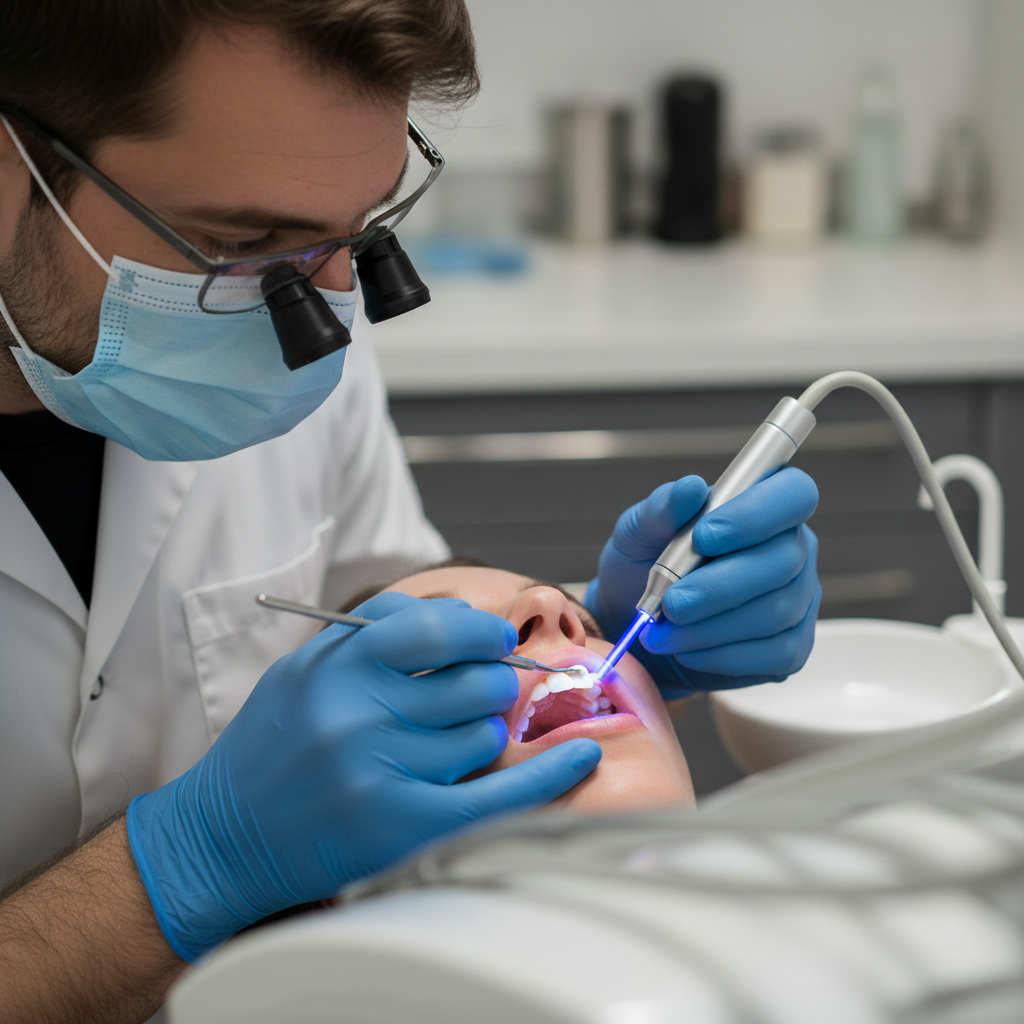
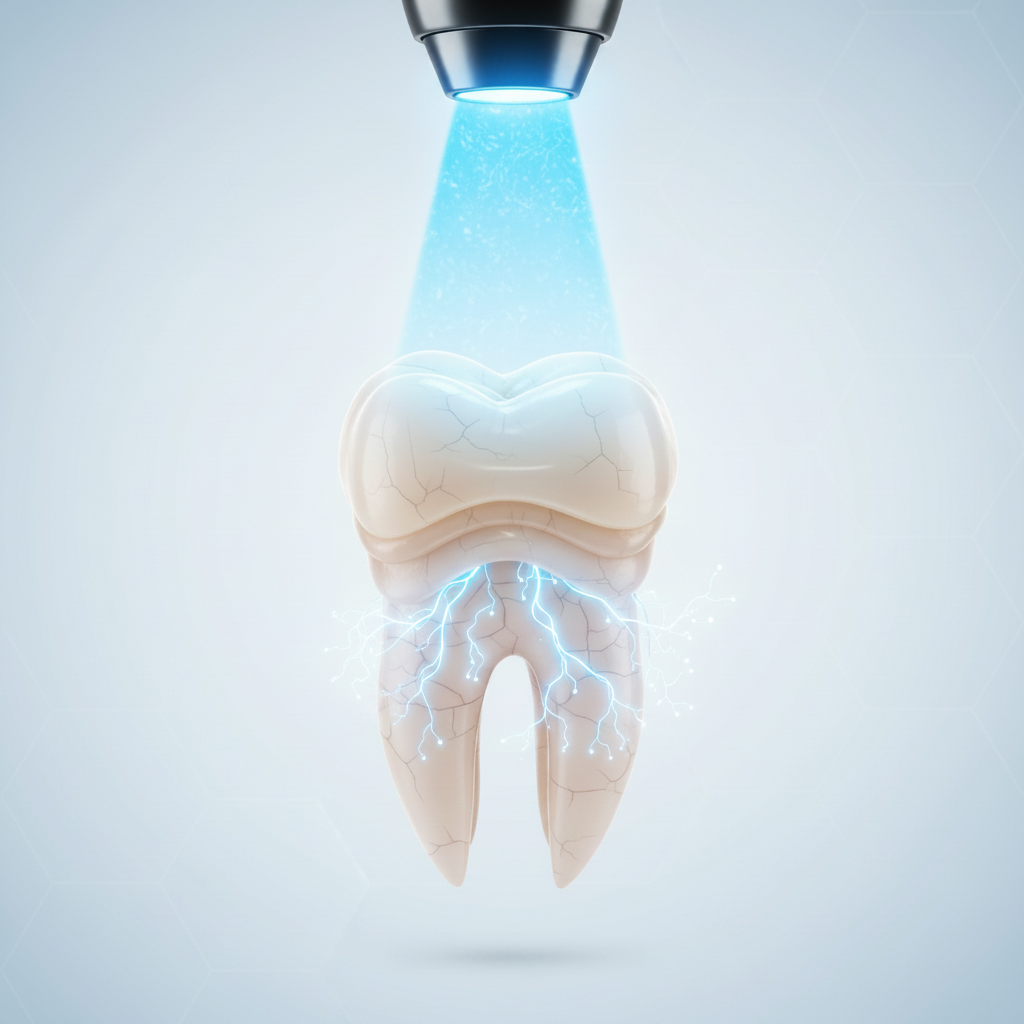
The success of composite bonding hinges on the adhesive properties of the resin material. Before application, the tooth surface is gently etched with a mild phosphoric acid gel. This creates microscopic pores on the enamel surface, enhancing its texture for better adhesion. A liquid bonding agent is then applied, which seeps into these tiny channels. Finally, the composite resin is layered onto the tooth. This resin contains monomers that, when exposed to a specific wavelength of blue light, undergo a polymerization process, transforming from a soft, malleable paste into a hard, durable layer. This light-curing process creates a strong chemical bond between the resin and the tooth structure, ensuring its longevity and stability. The layering technique allows the dentist to achieve the desired shape, translucency, and colour match, resulting in a restoration that is both functional and aesthetically integrated with the surrounding teeth.
Key Advantages of Choosing Dental Bonding
Opting for composite bonding brings forth a multitude of benefits that make it an attractive solution for cosmetic dental enhancements. Its ability to deliver significant aesthetic improvements with minimal intervention sets it apart from many other procedures. The speed and relative affordability of the treatment also make it a highly accessible option for a wide demographic, allowing more individuals to achieve their desired smile transformation without extensive time commitments or financial burdens. Furthermore, the inherent versatility of the composite resin means it can address a broad spectrum of cosmetic issues, providing a customised solution tailored to each patient’s unique needs.
Preserving Natural Tooth Structure and Minimally Invasive Approach
One of the most significant advantages of composite bonding is its conservative nature. Unlike procedures such as dental crowns or traditional veneers, which often require substantial removal of healthy tooth enamel, bonding typically involves very little or no tooth reduction. The procedure primarily relies on adding to the existing tooth structure, meaning that your natural teeth remain largely intact. This minimally invasive approach not only preserves the strength and integrity of your teeth but also means the procedure is often reversible, as no permanent damage is inflicted on the enamel. This conservative philosophy aligns with modern dental practices that prioritise the long-term health and natural structure of the patient’s dentition.
Efficiency, Affordability, and Aesthetic Versatility
Composite bonding is renowned for its efficiency. Most procedures can be completed in a single dental visit, usually within 30 minutes to an hour per tooth, depending on the complexity of the case. This makes it an ideal solution for busy individuals seeking quick aesthetic improvements. In terms of cost, composite bonding is generally more budget-friendly than alternatives like porcelain veneers or crowns, making high-quality cosmetic dentistry more accessible. Aesthetically, the composite resin can be matched precisely to the natural shade of your teeth, ensuring a seamless and natural-looking result. It can also be sculpted to perfectly reshape teeth, close gaps, and mask discolouration, offering incredible versatility to achieve a harmonious and balanced smile. The ability to customise the shape, size, and colour means that the aesthetic outcomes can be finely tuned to meet individual patient expectations.
A Detailed Look at the Composite Bonding Procedure
Initial Assessment and Preparation
The process begins with a comprehensive consultation where your dentist will assess your oral health and discuss your aesthetic goals. X-rays may be taken to ensure there are no underlying dental issues. If composite bonding is deemed suitable, the dentist will select a composite resin shade that perfectly matches your existing teeth. This step is critical for ensuring a natural and undetectable result. In most cases, local anaesthesia is not required unless the bonding is being used to fill a cavity or the tooth is sensitive. The tooth surface to be bonded is then prepared by gently roughening it using a mild etching solution. This microscopic roughening creates a porous surface that allows the bonding agent to adhere more securely to the enamel.
Application, Shaping, and Curing of the Resin
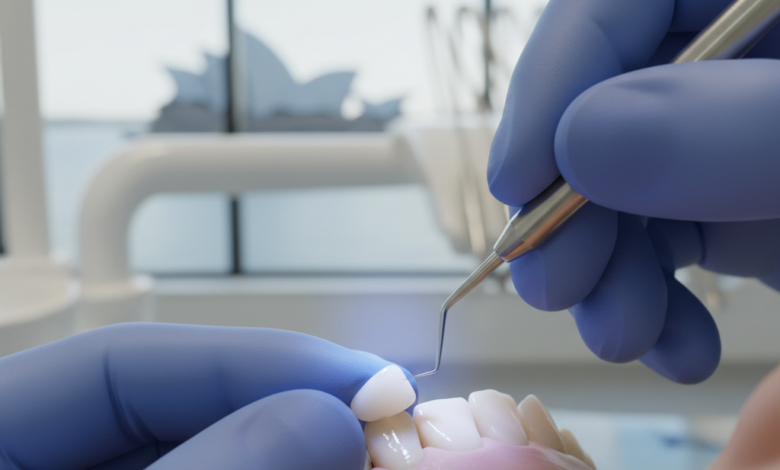
After the tooth is etched, a liquid bonding agent is applied. This agent acts as a primer, preparing the tooth for the composite resin. The tooth-coloured composite resin, which has a putty-like consistency, is then applied in layers directly onto the tooth surface. The dentist meticulously sculpts and shapes the resin to achieve the desired form, ensuring it addresses the specific cosmetic concern, whether it’s closing a gap, repairing a chip, or reshaping the tooth. Each layer of resin is then hardened or “cured” with a high-intensity ultraviolet (UV) or laser light. This light quickly transforms the soft resin into a durable, solid material. The layering and curing process is repeated until the desired shape and thickness are achieved.
Finishing and Polishing for a Natural Look
Once the final layer of composite resin has been cured and the desired shape is established, the dentist will proceed with the finishing and polishing phase. This involves trimming any excess material and meticulously shaping the bonded area to ensure it integrates seamlessly with your natural tooth structure and bite. Special polishing tools and abrasive discs are used to smooth the surface of the resin, removing any rough spots and creating a natural lustre that mimics the sheen of healthy tooth enamel. This final step is crucial for both aesthetics and comfort, ensuring that the bonded tooth feels smooth and looks indistinguishable from your other teeth. The result is an immediate, noticeable enhancement to your smile.
Is Composite Bonding Right for You? Candidacy Explained
- **Chipped or cracked teeth:** Bonding can effectively repair minor chips and cracks, restoring the tooth’s original appearance.
- **Gaps between teeth:** Small gaps, especially in the front teeth, can be closed discreetly with composite resin.
- **Discoloured teeth:** While not as effective as professional teeth whitening for overall brightening, bonding can cover intrinsic stains that don’t respond to whitening.
- **Misshapen teeth:** Teeth that are too short, uneven, or oddly shaped can be recontoured and lengthened.
- **Exposed tooth roots:** Bonding can cover exposed roots due to gum recession, reducing sensitivity.
- **Asymmetry:** Minor discrepancies in tooth size or alignment can be corrected to create a more balanced smile.
However, composite bonding may not be the ideal solution for everyone. Individuals with extensive tooth decay, severe misalignment, or those seeking dramatic, long-lasting structural changes might be better suited for alternatives like crowns or orthodontics. Your dentist will evaluate your specific situation to determine if composite bonding is the most appropriate treatment for your needs.
Composite Bonding Compared to Other Cosmetic Dental Solutions
While composite bonding offers numerous benefits, it’s essential to understand how it compares to other popular cosmetic dental treatments, particularly when considering factors like durability, cost, and invasiveness. This comparison helps patients make an informed decision based on their specific needs and expectations for their smile transformation.
| Feature | Composite Bonding | Dental Veneers |
|---|---|---|
| Material | Resin (tooth-coloured plastic) | Porcelain or Composite |
| Procedure | Direct application, shaped, light-cured | Custom-made shells, bonded to tooth |
| Invasiveness | Minimal to no enamel removal | Requires significant enamel removal |
| Durability | 5-10 years (prone to staining/chipping) | 10-15+ years (highly resistant to staining) |
| Cost | Generally lower | Generally higher |
| Time | Usually 1 visit per tooth | At least 2 visits |
| Reversibility | Largely reversible | Irreversible (due to enamel removal) |
| Ideal For | Minor chips, gaps, discolouration, reshaping | Significant aesthetic changes, severe discolouration, larger chips |
Longevity and Aftercare for Bonded Teeth
The longevity of composite bonding typically ranges from 5 to 10 years, depending on various factors such as oral hygiene, dietary habits, and the location of the bonding. While durable, composite resin is not as strong as natural tooth enamel or porcelain, making it somewhat more susceptible to chipping, staining, and wear over time. To maximise the lifespan of your bonded teeth, diligent aftercare is essential.
Post-Procedure Care and Maintenance
Following your composite bonding procedure, it’s important to practice excellent oral hygiene. This includes brushing twice daily with a non-abrasive toothpaste and flossing once a day. Avoid biting down on hard foods like ice, hard candies, or nuts, as these can chip the composite resin. Be mindful of habits such as nail-biting or chewing on pens, which can also damage the bonding. Since composite resin can stain, especially from dark-coloured foods and drinks such as coffee, tea, red wine, and berries, it’s advisable to consume these in moderation and rinse your mouth with water afterward. Regular dental check-ups and professional cleanings are crucial for monitoring the condition of your bonding and for addressing any potential issues promptly. Your dentist can polish the bonded surfaces during these visits to maintain their lustre and remove superficial stains.
Investment in Your Smile: The Cost of Composite Bonding in Australia
The cost of composite bonding in Australia can vary significantly based on several factors, including the number of teeth being treated, the extent of the cosmetic work required, the complexity of the case, and the specific fees charged by your chosen dental practice. Generally, composite bonding is considered one of the more affordable cosmetic dental treatments compared to options like porcelain veneers or crowns.
On average, you can expect the cost per tooth for composite bonding in Australia to range from a few hundred dollars to approximately a thousand dollars or more. For instance, addressing a small chip on a single tooth will be at the lower end of the spectrum, while comprehensive bonding for multiple front teeth to close gaps and reshape a smile will naturally incur a higher cost. It is important to have a thorough consultation with your dentist to receive an accurate quote tailored to your specific treatment plan. Some dental clinics may also offer payment plans to help manage the investment. While many cosmetic procedures are not covered by basic health insurance, some higher-tier private health insurance policies may offer rebates for a portion of the cost, so it’s always worthwhile to check with your provider.
Composite bonding offers an accessible and effective pathway to a rejuvenated smile for many Australians. Its ability to subtly yet significantly enhance dental aesthetics with minimal invasiveness makes it an appealing choice for those seeking noticeable improvements. By understanding the procedure, its benefits, maintenance requirements, and associated costs, individuals can confidently make informed decisions about their cosmetic dental journey.