A New Smile in 3 Days? What Fast Makeovers Involve
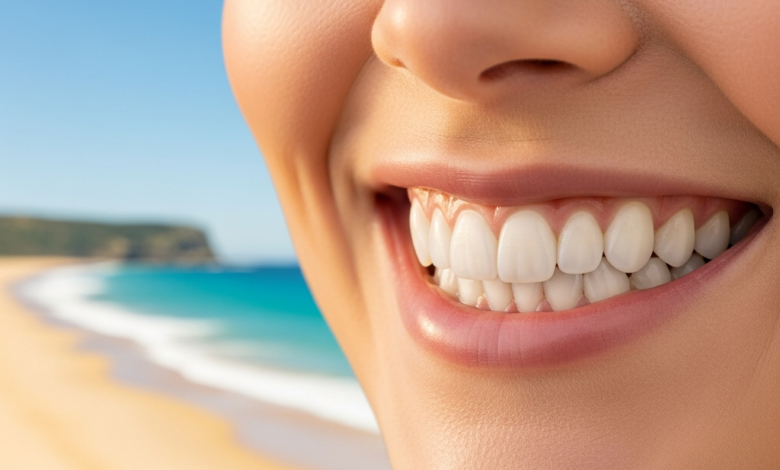
Advertisements promising “a new smile in three days” are common, both from Australian cosmetic practices and from clinics in Turkey that market to Australian visitors. Digital design and in-house milling have made faster treatment possible in some cases, but a 3-day smile makeover is not suitable for everyone, and speed brings its own trade-offs. This article explains how a smile is planned, what can realistically be completed in a few days, the risks of rushing, and what to consider if you are weighing up treatment at home or in Istanbul.
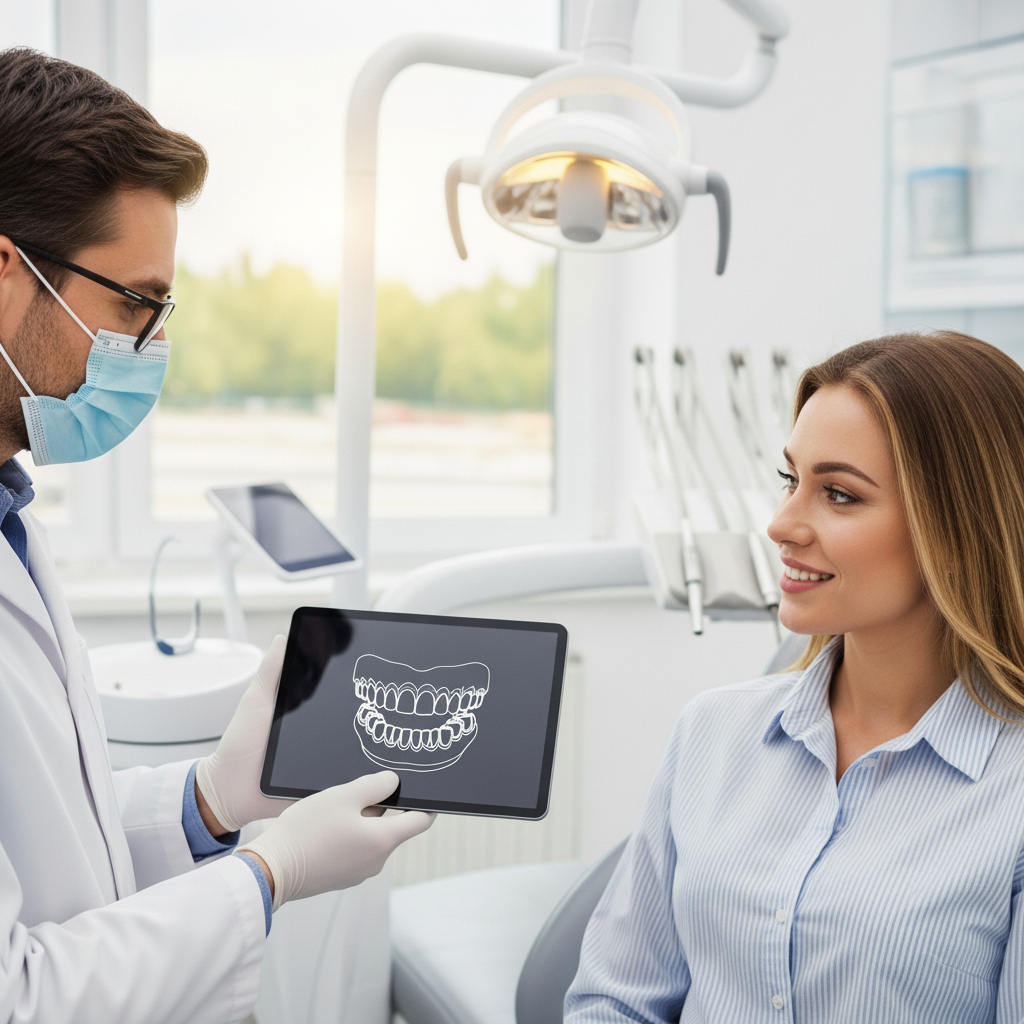
How a new smile is planned
Good cosmetic dentistry starts with an assessment of your whole mouth, not just the front teeth. A dentist planning a smile makeover will usually look at:
- Oral health: decay, gum disease and worn or cracked teeth need to be treated or stabilised first.
- Bite (occlusion): how your teeth meet affects how long veneers and crowns last; grinding (bruxism) increases the risk of chipping.
- Tooth shape and proportions: the width-to-length ratio of the front teeth and how they relate to each other.
- Gum line: uneven gum levels can make teeth look uneven, even after veneers.
- Lips and face: how much tooth shows when you speak and smile, and the overall balance of the face.
- Colour: a shade that suits your skin tone and remaining natural teeth, rather than the brightest available.
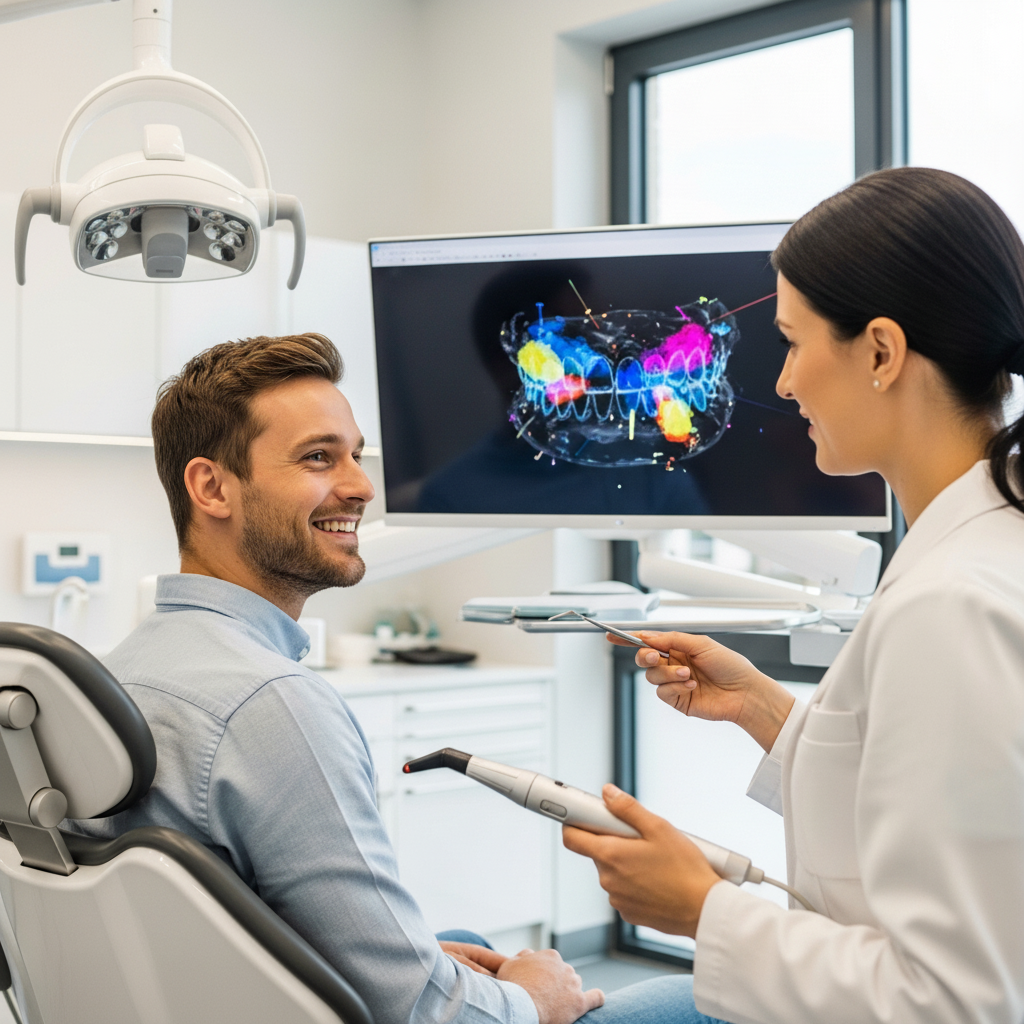
Many practices use photos and digital scans to design the result on screen. A trial “mock-up” placed over your teeth lets you see and feel the proposed shape before anything irreversible is done. This step is worth asking for.
Is a 3-day smile makeover realistic?
With CAD/CAM technology, ceramic veneers and crowns can be designed from a digital scan and milled in the clinic or a nearby laboratory, sometimes within a day. That makes a short treatment window technically possible when:
- the teeth and gums are already healthy;
- the bite is stable and there is no significant grinding;
- only veneers, crowns, bonding or whitening are needed;
- the number of teeth being treated is manageable in the time available.
It is usually not realistic when gum disease needs treatment first, when teeth need root canal treatment, when orthodontic alignment would be the better option, or when implants are involved. Implants need months to integrate with the bone, so a final implant-supported smile cannot be completed in three days, even if temporary teeth are fitted quickly.
Common treatment options
- Professional whitening: lightens natural teeth; it does not change the colour of existing crowns or fillings.
- Composite bonding: tooth-coloured resin added to reshape teeth or close small gaps, usually with little or no removal of enamel. It can stain and chip over time and needs maintenance.
- Porcelain veneers: thin ceramic shells bonded to the front of teeth. Some enamel is usually removed, which is irreversible, and veneers eventually need replacing.
- Crowns: cover the whole tooth and require more tooth reduction. They are generally best reserved for teeth that are heavily filled, broken or root-treated.
Risks of rushing cosmetic work
- Irreversible tooth reduction: once enamel or tooth structure is removed, you will need restorations on those teeth for life.
- Over-treatment: some fast-track plans put crowns or veneers on many healthy teeth when whitening, bonding or orthodontics might have achieved a good result with less damage.
- Sensitivity and nerve problems: aggressive preparation can lead to sensitivity and, in some cases, the need for root canal treatment.
- Bite problems: changes to many teeth at once can alter the bite and cause discomfort, jaw problems or chipping if not carefully adjusted.
- Limited time for review: with only a few days, there is little opportunity to live with temporaries, assess the look and request changes before the final restorations are bonded.
Smile makeovers in Australia vs Turkey
In Australia, treatment is usually spread over several appointments, which allows time for a mock-up, temporaries and adjustments, and your dentist stays nearby for follow-up. The trade-off is cost: cosmetic dentistry is not covered by Medicare, and private extras cover usually pays little or nothing for purely cosmetic work.
Clinics in Turkey generally charge less and often offer compressed schedules designed around a short visit. If you are considering this, keep in mind:
- Flights from Australia to Istanbul involve at least one stopover and usually more than 20 hours of travel, so a “3-day” treatment usually means a trip of a week or more.
- Building in extra days after the final fit gives time to check the bite and fix any problems before you leave.
- If a veneer chips or debonds after you return, you may need to pay an Australian dentist to repair it or travel back.
- Turkish dentists are not registered with AHPRA, and Australian complaint processes do not apply.
- Ask for copies of all scans and a record of the materials and shades used, so a local dentist can match or repair the work later.
Questions to ask any clinic
- Which dentist will do the work, and what are their qualifications and experience in cosmetic dentistry?
- Why is this treatment recommended over less invasive options?
- How much tooth structure will be removed?
- Will I see a mock-up or temporaries before the final restorations?
- What ceramic material and laboratory will be used?
- What is the written policy if a veneer or crown fails?
Caring for your new smile
Looking after veneers and crowns is similar to caring for natural teeth. Brush twice a day, clean between your teeth with floss or interdental brushes, and keep up regular check-ups and professional cleans. Although ceramic does not stain the way enamel does, plaque can build up where the restoration meets the tooth, which can lead to decay or gum inflammation. If you grind your teeth, ask whether a night guard is advisable to protect the restorations.
Frequently asked questions
How long do veneers last?
Longevity varies with the material, the quality of the work, your bite and your oral hygiene. Veneers are not permanent and will need replacing at some point.
Can a smile makeover be reversed?
Whitening and some bonding are largely reversible, but porcelain veneers and crowns that required tooth reduction are not.
Do I need to be in good dental health first?
Yes. Decay and gum disease should be treated before cosmetic work, which may extend the timeline beyond a few days.
A fast smile makeover can work well for the right person, but speed should never be the main reason to choose a treatment or a clinic. Before deciding, have an individual examination and a written treatment plan from a qualified, licensed dentist.

Request your personal treatment plan and quote
Tell us briefly what you need. Your request is passed to a dental clinic in Turkey, which will contact you with a treatment plan and price. No obligation.