Dental Implant Procedure Australia – Step-by-Step
Dental Implant Procedure Australia – Step-by-Step
Missing teeth can significantly impact one’s quality of life, affecting everything from daily nutrition and speech to self-confidence. Fortunately, modern dentistry offers highly effective and long-lasting solutions, with dental implants standing out as the gold standard for tooth replacement. For individuals in Australia considering this transformative treatment, understanding the dental implant procedure is the first crucial step. This comprehensive guide will walk you through each stage of the process, highlighting what to expect and why dental implants are an excellent investment in your oral health and overall well-being.
Understanding Dental Implants: A Foundation for Success
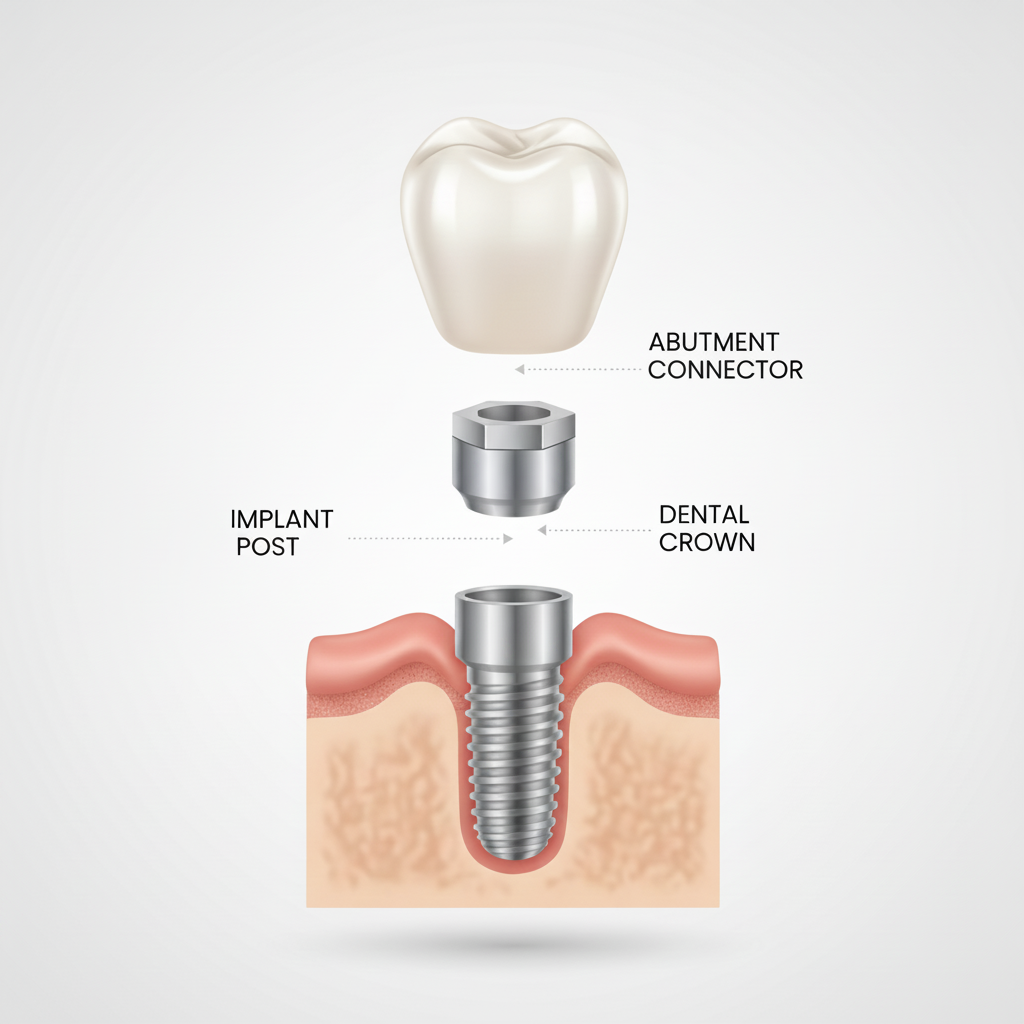
A dental implant is a sophisticated prosthetic device designed to replace a missing tooth root. It typically consists of three main components:
- The Implant Post: A small, screw-shaped cylinder, usually made of biocompatible titanium, surgically placed into the jawbone. This post acts as the new tooth root.
- The Abutment: A connector piece that attaches to the implant post and extends above the gum line. It serves as the base for the prosthetic tooth.
- The Dental Crown (or Prosthesis): The custom-made artificial tooth, bridge, or denture that is attached to the abutment, designed to match your natural teeth in appearance and function.
The unique advantage of dental implants lies in their ability to integrate directly with the jawbone through a process called osseointegration. This creates a stable, durable foundation that mimics natural teeth, preventing bone loss often associated with missing teeth and offering superior stability compared to traditional dentures or bridges.
The Dental Implant Procedure Australia: Step-by-Step Guide
The journey to a restored smile with dental implants is a meticulous process, typically involving several stages. While individual timelines can vary, the core steps remain consistent.
Initial Consultation and Comprehensive Assessment
The first and most critical step is a thorough evaluation by a qualified dental professional. During this initial consultation, the dentist will:
- Review your complete medical and dental history.
- Perform a detailed oral examination.
- Take advanced imaging, including X-rays, panoramic scans, and often a 3D Cone Beam Computed Tomography (CBCT) scan. These scans provide crucial information about your jawbone density, nerve locations, and sinus cavities, allowing for precise treatment planning.
- Discuss your goals, expectations, and any concerns you may have.
Based on this comprehensive assessment, the dentist will determine if you are a suitable candidate for dental implants and develop a personalised treatment plan. Factors such as bone volume and quality, general health, and oral hygiene habits are carefully considered.
Adjunctive Procedures (If Necessary)
In some cases, the jawbone may not be sufficiently strong or voluminous to support an implant. This can happen due to prolonged tooth loss, gum disease, or trauma. If so, adjunctive procedures may be required before implant placement:
- Bone Grafting: This procedure involves adding bone material (from your own body, a donor, or synthetic sources) to the jaw to enhance its density and volume. This may require several months of healing before implant placement.
- Sinus Lift (Sinus Augmentation): If implants are needed in the upper jaw and the sinus floor is too close to the jaw, a sinus lift elevates the sinus membrane, creating space for bone grafting.
These preliminary procedures ensure a strong and stable foundation for the dental implant, greatly increasing the long-term success rate.
Implant Placement Surgery
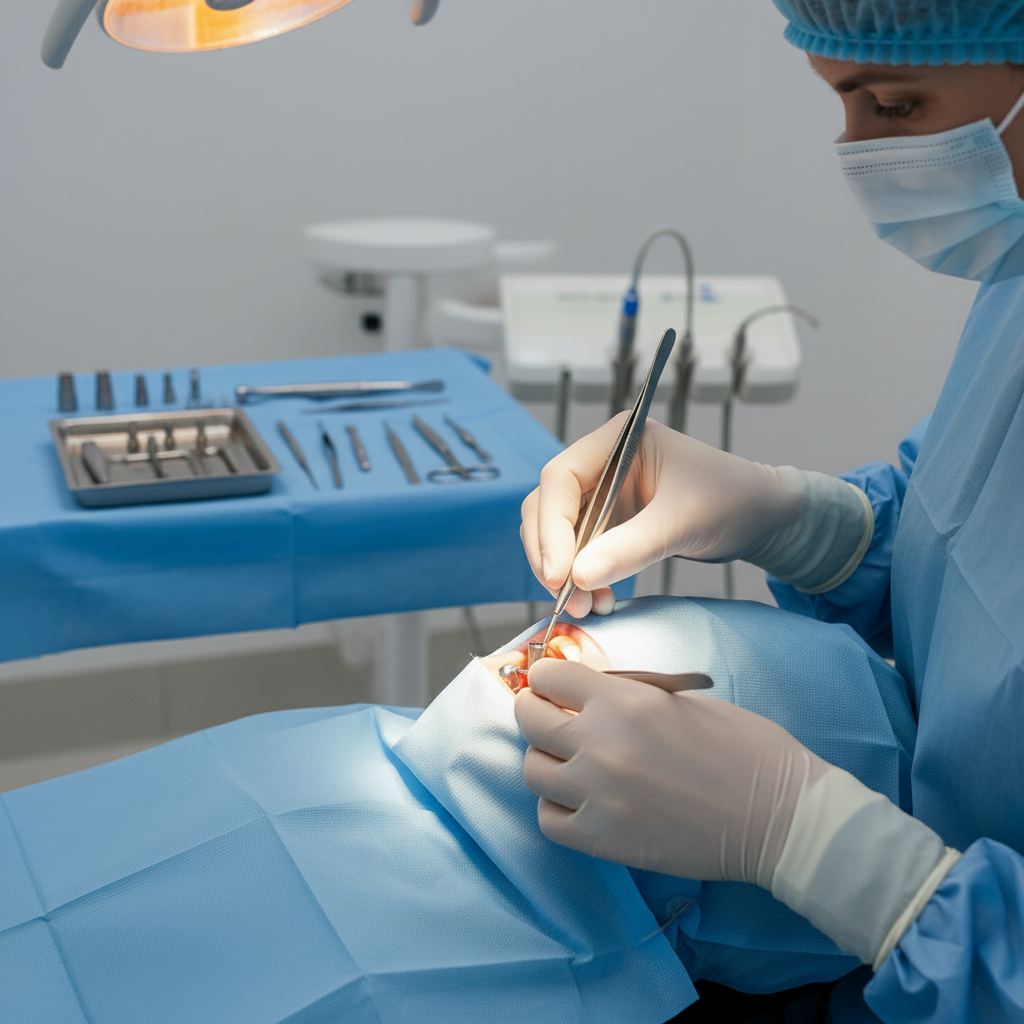
Once your jawbone is ready, the surgical placement of the titanium implant post can proceed. This outpatient procedure is typically performed under local anaesthesia, often with sedation options available for patient comfort.
- The dentist will make a small incision in the gum tissue to expose the underlying jawbone.
- A precise hole is drilled into the bone at the planned site.
- The titanium implant post is then carefully screwed into this prepared site.
- The gum tissue is often sutured back over the implant to protect it during the healing phase.
The implant post is now hidden beneath the gum line, beginning its journey of integration.
Osseointegration: The Healing Period
This is perhaps the most crucial stage of the dental implant procedure. Osseointegration is the biological process where the jawbone grows around and fuses with the titanium implant post. This process creates an incredibly strong and stable anchor for your new tooth.
- Duration: Osseointegration typically takes 3 to 6 months, although this can vary depending on individual healing capabilities and the location of the implant.
- Temporary Solutions: During this period, you may wear a temporary denture or bridge to maintain aesthetics and function.
Regular follow-up appointments will monitor the healing progress and ensure successful integration.
Abutment Placement
Once osseointegration is complete, a second minor surgical procedure may be required to expose the implant and attach the abutment.
- A small incision is made in the gum to uncover the top of the implant.
- The abutment, a small connector post, is attached to the implant.
- The gum tissue is then allowed to heal around the abutment, creating a collar of gum that will protect the implant.
In some cases, especially with one-stage implant systems, the abutment may be attached at the time of implant placement, negating the need for a second surgery.
Fabrication and Placement of the Final Restoration
With the abutment in place and the gums healed around it (usually within a couple of weeks), impressions of your mouth are taken. These impressions serve as a blueprint for the dental lab to custom-fabricate your final prosthetic tooth, which can be a single crown, a multi-tooth bridge, or a full denture.
- Colour Matching: The crown will be meticulously colour-matched to your existing teeth for a seamless appearance.
- Fit and Function: Once fabricated, the crown is carefully fitted onto the abutment, checked for bite alignment, and permanently cemented or screwed into place.
Your new tooth will look, feel, and function just like a natural tooth, completing your dental implant journey.
Here’s a simplified overview of the typical stages:
| Procedure Stage | Description | Approximate Timeline |
|---|---|---|
| Initial Assessment | Comprehensive examination, imaging, treatment planning. | 1-2 appointments |
| Adjunctive Procedures | Bone grafting, sinus lift (if needed). | 3-9 months (healing time) |
| Implant Placement Surgery | Surgical insertion of the titanium implant post. | 1-2 hours per implant |
| Osseointegration | Healing period where bone fuses with the implant. | 3-6 months |
| Abutment Placement | Minor procedure to attach the connector post. | 1-2 weeks (healing time) |
| Final Restoration Placement | Custom crown, bridge, or denture attached. | 2-4 weeks (fabrication + fitting) |
Benefits of Choosing Dental Implants
The popularity of dental implants stems from their numerous advantages:
- Superior Aesthetics: Designed to look and feel like natural teeth, implants are virtually indistinguishable from your own.
- Enhanced Functionality: They restore full chewing power, allowing you to enjoy all your favourite foods without discomfort or limitations.
- Durability and Longevity: With proper care, dental implants can last a lifetime, making them a highly cost-effective long-term solution.
- Bone Preservation: Implants stimulate the jawbone, preventing the bone loss and facial collapse that often occur with missing teeth and traditional dentures.
- Improved Oral Health: Unlike bridges, implants do not require grinding down adjacent healthy teeth. They also make oral hygiene easier than with dentures.
- Enhanced Confidence: A stable, complete smile significantly boosts self-esteem and quality of life.
For more detailed information on dental implants, you can consult resources like Wikipedia’s entry on Dental Implants.
Recovery and Aftercare
Post-procedure care is vital for the success and longevity of your dental implants.
- Immediate Post-Surgery: Expect some swelling, bruising, and mild discomfort, which can be managed with prescribed pain medication and cold compresses. Follow dietary restrictions (soft foods) and oral hygiene instructions diligently.
- Oral Hygiene: Maintain excellent oral hygiene, including regular brushing, flossing, and using an interdental brush around the implant, just as you would with natural teeth.
- Regular Dental Check-ups: Routine visits to your dentist are crucial for monitoring the health of your implants and surrounding tissues, ensuring any potential issues are addressed promptly.
- Avoid Damaging Habits: Refrain from chewing on hard objects, grinding teeth (consider a night guard if you do), and smoking, as these can compromise implant success.
Adhering to these guidelines will help ensure your dental implants remain healthy and functional for decades.
Cost Considerations for Dental Implants
The cost of dental implants in Australia can vary significantly based on several factors, including the number of implants required, the complexity of the case, the need for adjunctive procedures like bone grafting, the type of crown used, and the dental clinic’s fees. While dental implants represent a significant investment, their long-term benefits in terms of durability, function, and aesthetic appeal often outweigh the initial cost. Many clinics offer payment plans or financing options to make the treatment more accessible. It’s always advisable to discuss the full cost breakdown and available options during your initial consultation.
Are You a Candidate for Dental Implants?
Most individuals who have lost one or more teeth are potential candidates for dental implants. Ideal candidates generally possess:
- Good overall health.
- Sufficient jawbone density to support the implant (or are willing to undergo bone grafting).
- Healthy gums free from active periodontal disease.
- A commitment to excellent oral hygiene and regular dental check-ups.
Conditions like uncontrolled diabetes, heavy smoking, or certain medications might affect eligibility, but modern techniques and careful planning can often overcome these challenges. A detailed consultation with a dental implant specialist is essential to determine if this treatment is right for you.
The Transformative Power of Dental Implants
Undergoing the dental implant procedure is an investment in your health, comfort, and confidence. It’s a journey that restores not just a tooth, but often, the ability to eat, speak, and smile freely again. Understanding each step, from the initial assessment to the final crown placement, empowers you to make informed decisions about your oral health. With advancements in dental technology and experienced dental professionals, achieving a permanent, natural-looking solution for missing teeth is more accessible than ever.