How Many Visits Are Needed for Implants Australia?

How Many Visits Are Needed for Implants Australia? The journey to a fully restored smile with dental implants is a sophisticated process, meticulously designed to ensure longevity, stability, and natural aesthetics. Unlike simpler dental procedures that might be completed in a single appointment, dental implant treatment involves several distinct stages, each crucial for the overall success of the restoration. Understanding the typical number of visits required is vital for patients in Australia considering this highly effective solution for missing teeth. While the exact number can vary based on individual circumstances, a general framework involves multiple appointments spread over several months. This multi-phase approach allows for proper healing and integration, ensuring the implant becomes a permanent part of your oral structure.
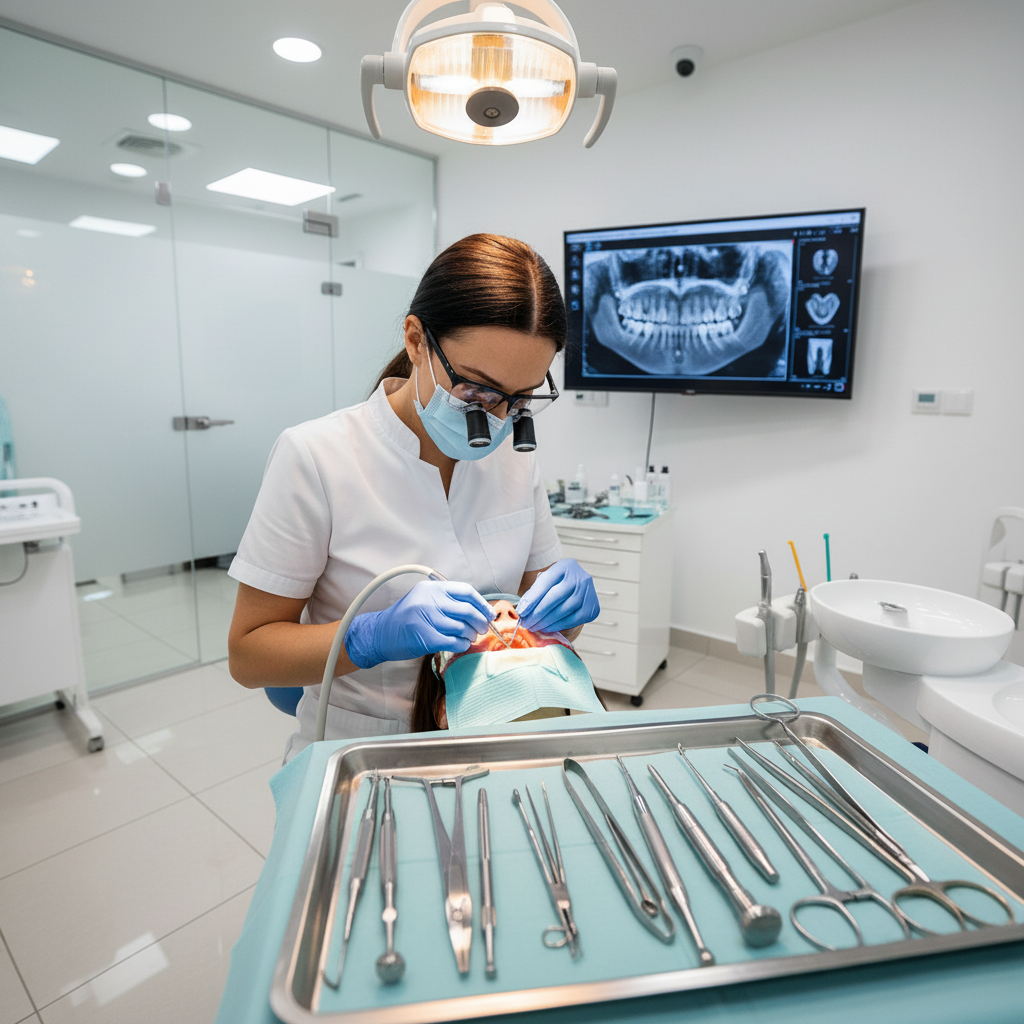
The Foundational Stage: Initial Consultation and Comprehensive Assessment
The very first step in determining how many visits are needed for implants is the initial consultation. This appointment is perhaps one of the most critical, as it lays the entire groundwork for your treatment plan. During this visit, your dentist will conduct a thorough examination of your oral health, discuss your medical history, and understand your specific needs and aesthetic goals.
Key components of this visit include:
- Detailed Oral Examination: A comprehensive check of your teeth, gums, and overall oral hygiene.
- Diagnostic Imaging: This typically involves X-rays, and often a 3D Cone Beam Computed Tomography (CBCT) scan. These advanced images provide precise details about your jawbone structure, nerve pathways, and sinus cavities, which are essential for planning the exact placement of the implant.
- Bone Density Assessment: The CBCT scan helps evaluate the quantity and quality of your jawbone, a crucial factor for implant success.
- Treatment Plan Discussion: Based on the assessment, the dentist will outline a personalised treatment plan, explaining the proposed procedure, potential alternatives, expected timeline, and associated costs. This is also an opportunity for you to ask any questions and voice concerns.
This initial phase ensures that dental implants are the right solution for you and prepares the dental team for the subsequent surgical stages. For some patients, additional consultations might be required if complex medical histories or extensive treatment planning are involved.
Addressing Prerequisites: Pre-Implant Procedures (Optional Additional Visits)
Not every patient is immediately ready for implant placement. Sometimes, supplementary procedures are necessary to create an optimal environment for the implant to succeed. These procedures can add to the total number of visits and extend the overall treatment timeline.
Common pre-implant procedures include:
- Tooth Extraction: If a damaged or diseased tooth needs to be removed before an implant can be placed, this constitutes a separate visit and often requires a healing period of several weeks to months.
- Bone Grafting: If there isn’t sufficient jawbone volume or density to support an implant, a bone grafting procedure will be necessary. This involves adding bone material (from your body, a donor, or synthetic sources) to augment the jawbone. Following a bone graft, a significant healing period (typically 3-9 months) is required for the new bone to integrate. This can involve multiple check-up visits during the healing phase.
- Sinus Lift: For implants in the upper back jaw, where the sinus cavity might be too close to the jawbone, a sinus lift procedure may be performed. This involves gently lifting the sinus membrane and placing bone graft material to create adequate bone height. This also necessitates a healing period.
These preliminary treatments are vital for ensuring the long-term stability and success of your dental implants, even if they add extra appointments to your schedule.
How Many Visits Are Needed for Implants Australia? A Detailed Breakdown
The core surgical phase, where the implant post is actually placed, is a distinct visit. This is typically the second or third major appointment in the entire process, depending on whether pre-implant procedures were needed.
The implant placement visit involves:
- Anaesthesia: Local anaesthesia is most commonly used to numb the area, though sedation options may be available for patient comfort.
- Surgical Incision: A small incision is made in the gum tissue to expose the jawbone.
- Implant Placement: A small hole is precisely drilled into the jawbone, and the titanium implant post is carefully inserted.
- Suturing: The gum tissue is then sutured closed over the implant (or sometimes a healing abutment is placed immediately).
- Post-operative Care Instructions: You will receive detailed instructions on how to care for the surgical site, manage any discomfort, and what to expect during the initial healing phase.
This procedure typically takes 1-2 hours for a single implant. After this, a critical healing period begins, known as osseointegration, where the implant fuses with the jawbone. This period usually lasts 3 to 6 months and does not typically involve active visits unless there are complications or a healing abutment needs to be placed.
The Abutment and Restoration Phases: Connecting and Crowning Your Implant
Once osseointegration is complete, the implant is ready for the attachment of the abutment and the final prosthetic. These usually involve two separate visits.
Abutment Placement (Visit 3 or 4)
In this visit, the abutment – a small connector post – is attached to the top of the implant. If the implant was initially covered by gum tissue, a minor surgical procedure might be needed to expose it. After the abutment is placed, impressions (moulds) of your mouth are taken. These impressions are then sent to a dental laboratory, where your custom crown, bridge, or denture will be fabricated to perfectly match your natural teeth in shape, size, and colour.
Final Restoration Placement (Visit 4 or 5)
This is the exciting final visit where your custom-made crown, bridge, or denture is securely attached to the abutment. Your dentist will ensure the fit is comfortable, your bite is correct, and the aesthetics are pleasing. Any necessary minor adjustments will be made at this time. Once satisfied, the restoration is permanently cemented or screwed into place. This marks the completion of the active treatment phase, giving you a fully functional and aesthetic tooth replacement.
Factors Influencing the Total Number of Visits
While the outlined process provides a general guide, several factors can influence the exact number of visits required for dental implants:
- Patient’s Oral Health: The overall health of your gums and jawbone significantly impacts the need for preparatory procedures.
- Number of Implants: Placing multiple implants can sometimes be done in the same surgical visit, but the complexity increases.
- Type of Implant Procedure: While `Same-day dental implants Australia` are possible in specific cases, they are not suitable for everyone and still involve multiple planning and follow-up visits. Traditional implants follow the multi-stage process more strictly.
- Need for Additional Procedures: As discussed, bone grafting, sinus lifts, or extractions will add to the number of appointments.
- Healing Time: Individual healing rates can vary. Some patients may integrate implants faster than others.
- Clinical Protocol: Different dental practices may have slight variations in their scheduling and follow-up routines.
To give a clearer picture, here’s a typical breakdown:
| Visit Type | Purpose | Approximate Number of Visits | Typical Duration |
|---|---|---|---|
| Visit 1: Initial Consultation | Examination, X-rays, CBCT scan, treatment planning. | 1 | 1 hour |
| Optional: Pre-Implant Procedures | Tooth extraction, bone graft, sinus lift (if needed). | 1-3 (plus follow-ups) | Months (for healing) |
| Visit 2/3: Implant Placement Surgery | Surgical insertion of the titanium implant post. | 1 | 1-2 hours |
| Healing Phase (Osseointegration) | Implant fuses with jawbone (no direct visits, but critical). | 0 (unless complications) | 3-6 months |
| Visit 3/4: Abutment Placement & Impression | Attaching the connector, taking impressions for the crown. | 1 | 30-60 minutes |
| Visit 4/5: Final Crown Placement | Fitting and securing the custom-made crown/restoration. | 1 | 30-60 minutes |
| Follow-up & Maintenance | Regular check-ups, hygiene appointments. | As recommended (annually) | Ongoing |
The Importance of Post-Treatment Care and Follow-ups
Once your dental implant treatment is complete, the journey doesn’t end there. Regular follow-up appointments and diligent oral hygiene are paramount to the long-term success and health of your implants. These maintenance visits allow your dentist to monitor the health of your implant, surrounding gums, and overall oral cavity. Professional cleanings, specifically tailored for implant care, are also essential to prevent peri-implantitis, a condition similar to gum disease that can affect implants. A well-maintained dental implant can last for decades, often a lifetime, making the initial investment of time and visits highly worthwhile. Understanding the biological processes involved in dental implants, such as osseointegration, further highlights the need for a multi-stage approach for optimal results. For more information on the timeline involved, you might find our article on How Long Do Dental Implants Take Australia? helpful.

The number of visits needed for dental implants in Australia is a testament to the precision and care involved in this advanced dental procedure. While it might seem like a lengthy process, each visit serves a critical purpose in ensuring the successful integration and longevity of your new smile. From the initial consultation and detailed planning to the surgical placement, healing, and final restoration, every stage is meticulously managed. The ultimate reward is a durable, functional, and aesthetically pleasing tooth replacement that can significantly enhance your quality of life. For further scientific insights into dental implant procedures and outcomes, you can consult authoritative sources such as Wikipedia’s entry on Dental Implants. Consulting with an experienced dental professional will provide you with a tailored treatment plan and a clear understanding of the specific number of visits you can expect for your individual needs.