How Long Do Dental Implants Take Australia?
How Long Do Dental Implants Take Australia?
Dental implants represent a gold standard solution for replacing missing teeth, offering unparalleled stability, aesthetics, and functionality. For individuals in Australia considering this transformative procedure, a common and critical question revolves around the duration of the entire process. Understanding the timeline for dental implants is essential for proper planning and managing expectations. While the journey to a fully restored smile can vary significantly from person to person, a typical dental implant procedure generally spans several months, involving distinct stages of assessment, surgery, healing, and final restoration. This comprehensive guide will break down each phase, clarify the factors influencing the timeline, and provide a clear overview of what to expect in Australia.

Understanding Dental Implants: A Foundation for Success
What are Dental Implants?
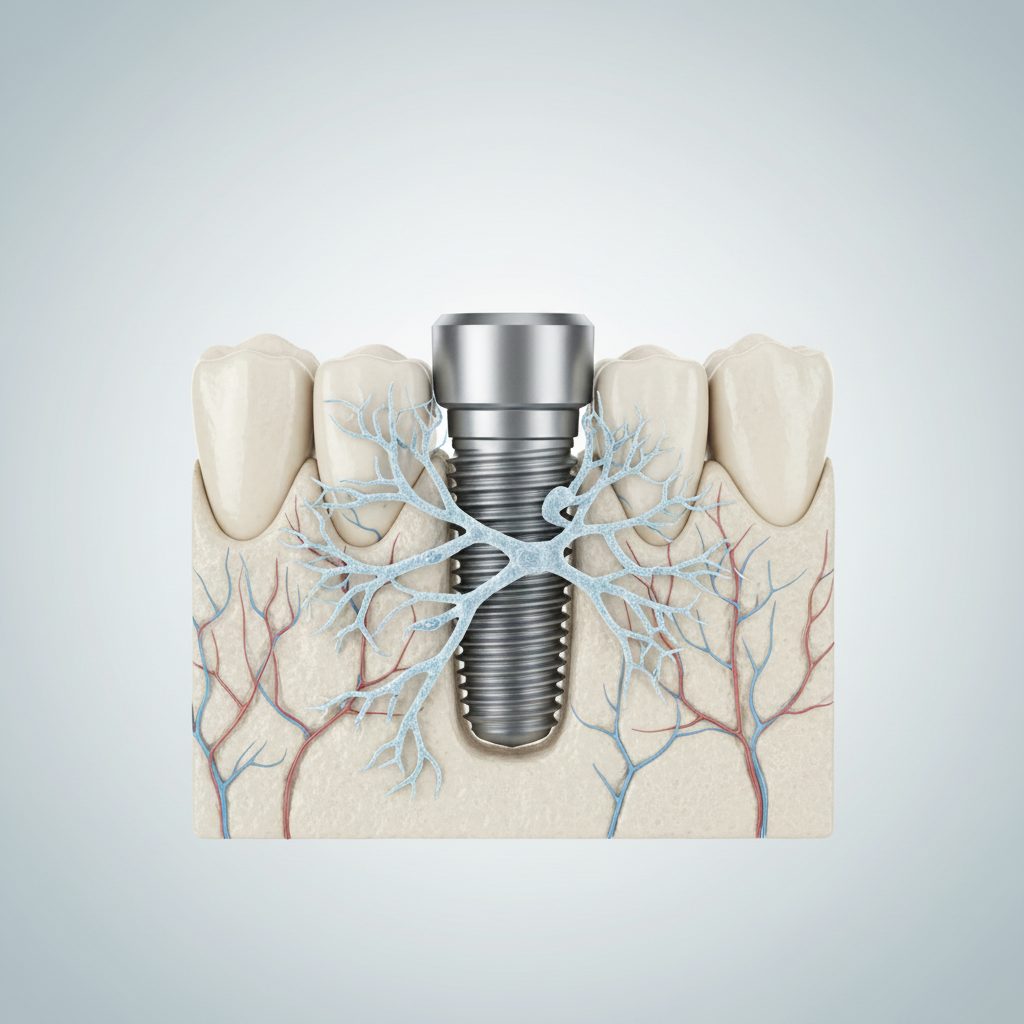
Dental implants are sophisticated medical devices designed to replace the root of a missing tooth. Made typically from biocompatible materials like titanium, these small, screw-shaped posts are surgically placed into the jawbone. Over time, the implant fuses with the bone through a natural process called osseointegration, creating a strong and stable foundation for a prosthetic tooth. Once integrated, an abutment (a connector) is attached to the implant, over which a custom-made crown, bridge, or denture is placed, effectively restoring the missing tooth or teeth. Dental implants are valued for their ability to restore chewing efficiency, speech, and facial aesthetics, preventing bone loss that often occurs after tooth extraction.
The Comprehensive Dental Implant Process in Australia
The journey to receiving dental implants is a multi-stage process, meticulously planned and executed by dental professionals. Each step is vital for the long-term success and stability of the implant.
Initial Consultation and Planning
The first and perhaps most crucial step is a thorough initial consultation. During this phase, your dental practitioner will conduct a comprehensive oral examination, review your medical history, and discuss your specific needs and aesthetic goals. Advanced diagnostic tools such as X-rays, 3D Cone Beam Computed Tomography (CBCT) scans, and digital impressions are used to assess the quality and quantity of your jawbone, identify the precise location of nerves and sinuses, and create a detailed treatment plan. This planning stage is critical to ensure proper implant placement and predict potential complications, significantly impacting the overall timeline.
Pre-Surgical Preparations: Laying the Groundwork
In many cases, preliminary procedures are necessary before implant placement can occur. These can add considerable time to the overall process.
- Tooth Extractions: If damaged or decayed teeth need to be removed from the implant site, sufficient time must be allowed for the extraction sites to heal, usually 4-6 weeks, or even longer if bone grafting is performed simultaneously.
- Bone Grafting: If there isn’t enough bone density to support an implant, a bone graft may be required. This involves adding bone material (from your own body, a donor, or synthetic sources) to augment the jawbone. The healing and integration of a bone graft can take anywhere from 3 to 9 months before an implant can be placed.
- Sinus Lift: For implants in the upper jaw, especially if the sinus cavity is too close to the bone where the implant needs to go, a sinus lift procedure might be necessary. This involves lifting the sinus membrane and placing bone graft material. The healing period for a sinus lift can also be several months.
These preparatory steps are fundamental to ensuring a stable base for the implant and are a significant determinant of the overall timeline.
The Implant Placement Surgery
Once the jawbone is deemed ready, the dental implant surgery can proceed. This outpatient procedure typically involves numbing the area with local anaesthesia, making a small incision in the gum to expose the bone, and then carefully drilling a pilot hole into the jawbone. The titanium implant post is then gently screwed into this prepared site. The gum tissue is usually sutured back over the implant. This surgical step itself usually takes 1-2 hours per implant.
The Critical Osseointegration Period
Following implant placement, the most time-consuming phase begins: osseointegration. This is the biological process where the jawbone grows around and fuses with the titanium implant surface, securing it firmly in place. This period is crucial for the long-term success of the implant.
- For the lower jaw (mandible), osseointegration typically takes 3 to 4 months.
- For the upper jaw (maxilla), which tends to be less dense, the process usually takes 4 to 6 months, or sometimes longer.
During this time, the implant is usually left undisturbed beneath the gum line, allowing for optimal healing without external forces. Some cases might involve “immediate load” implants where a temporary crown is placed shortly after surgery, but this is only suitable for specific clinical situations and excellent bone quality.
Abutment and Final Prosthesis Placement
After successful osseointegration, the implant is ready for the final restoration. This stage involves:
- Abutment Placement: A minor surgical procedure (if the implant was fully covered) may be performed to expose the top of the implant. An abutment, a small connector post, is then attached to the implant. This post will extend through the gum line and serve as the anchor for the new tooth.
- Impression Taking: Once the gums have healed around the abutment (typically 2-4 weeks), impressions are taken of your mouth and the abutment. These impressions are sent to a dental lab, where your custom-made crown, bridge, or denture will be fabricated. This process can take 1-3 weeks.
- Final Crown Placement: Once the custom prosthesis arrives from the lab, it is carefully fitted, adjusted for bite and comfort, and then permanently cemented or screwed onto the abutment.
This final phase marks the completion of your dental implant treatment, and you can now enjoy your fully restored smile.
How Long Do Dental Implants Take Australia?: Key Influencing Factors
The total duration of the dental implant process in Australia is not fixed; it is highly individualised and depends on a multitude of factors. Understanding these influences can help manage expectations.
Patient-Specific Biological Factors
Your overall health, oral hygiene habits, and biological healing capabilities play a significant role. Conditions like diabetes or autoimmune disorders can slow down healing. Smoking is also known to impair healing and increase the risk of implant failure, thereby extending the timeline. Bone density and quality are paramount; patients with robust, healthy bone tend to have a quicker osseointegration period.
Procedural Complexity, Number of Implants, and Ancillary Procedures
A single implant in a straightforward case will naturally take less time than multiple implants, especially if they are in different areas of the mouth. The need for ancillary procedures like tooth extractions, bone grafting, or sinus lifts significantly prolongs the overall timeline, as each of these requires its own healing period before implant placement can even begin. For example, a major bone graft could add 6-9 months to the process.
Ancillary Procedures and Their Impact
As discussed, procedures such as bone augmentation or sinus lifts introduce additional surgical steps and, more importantly, additional healing periods. These are not optional if the bone structure is insufficient; they are critical for the implant’s long-term success. These procedures can easily extend the total treatment duration from a few months to over a year. The complexity of these procedures also varies, with larger grafts requiring longer recovery and integration times.
Typical Timeline for Dental Implants in Australia
To provide a clearer picture, here’s a general timeline breakdown for a relatively straightforward dental implant case without extensive pre-treatments. Please note that these are averages, and individual experiences may vary.
| Stage of Treatment | Typical Duration | Notes |
|---|---|---|
| Initial Consultation & Planning | 1-2 Weeks | Includes exams, X-rays, CBCT scans, treatment plan finalisation. |
| Pre-Surgical Preparations (if needed) | 3-9 Months | Tooth extractions, bone grafts, sinus lifts. This is highly variable. |
| Implant Placement Surgery | 1-2 Hours per implant | Actual surgical time. Recovery is a few days to a week. |
| Osseointegration (Healing Period) | 3-6 Months | Critical phase for bone-to-implant fusion. Upper jaw often takes longer. |
| Abutment Placement (if separate from final crown) | 1-2 Weeks (for gum healing) | Minor procedure, followed by healing around the abutment. |
| Impression Taking & Lab Work | 2-3 Weeks | Fabrication of custom crown/bridge/denture. |
| Final Prosthesis Placement | 1 Appointment | Fitting and attachment of the permanent crown or restoration. |
| Total General Timeline (without extensive pre-treatments) | 4-9 Months | Can extend to 12-18+ months with significant bone grafting. |
It is essential to discuss your specific timeline with your dental professional, as they can provide the most accurate estimate based on your individual needs. For more details on the procedural steps, you can refer to resources like this guide on the dental implant procedure in Australia step-by-step.
Long-Term Benefits and Aftercare
While the dental implant process can seem lengthy, the long-term benefits typically far outweigh the investment of time. Dental implants offer a permanent solution for tooth loss, preventing adjacent teeth from shifting, preserving jawbone structure, and restoring full chewing function. They look and feel like natural teeth, significantly boosting confidence and improving quality of life.
Proper aftercare is crucial for the longevity of your implants. This includes maintaining excellent oral hygiene through regular brushing and flossing, using interdental brushes, and attending routine dental check-ups and professional cleanings. Regular examinations allow your dentist to monitor the health of your implants and surrounding tissues, ensuring any potential issues are addressed early. With proper care, dental implants can last a lifetime, making them a durable and highly effective tooth replacement option. More information about dental implants can be found on authoritative sources such as Wikipedia.
In summary, while there is no single answer to “How Long Do Dental Implants Take Australia?\