Pain Level of Dental Procedures Australia
Pain Level of Dental Procedures Australia. Understanding the potential for discomfort during dental treatments is a common concern for many Australians. It’s a natural human instinct to be wary of pain, especially when it involves sensitive areas like the mouth. However, modern dentistry has made enormous strides in recent decades, transforming what were once potentially uncomfortable experiences into procedures that are often pain-free or involve only minimal, manageable discomfort. The focus today is overwhelmingly on patient comfort, utilising advanced techniques, sophisticated anaesthetics, and a deep understanding of pain management to ensure a positive experience. This comprehensive guide will explore the varying pain levels associated with different dental procedures commonly performed across Australia, detailing how dental professionals minimise discomfort and empower patients to undergo necessary treatments with confidence.
Understanding Dental Pain and Modern Management
Dental pain is a complex sensation, influenced by a combination of physical stimuli, individual perception, and psychological factors. What one person describes as mild pressure, another might perceive as significant discomfort. Recognising this variability, Australian dental practices prioritise personalised care, ensuring each patient’s comfort is paramount.
The Subjectivity of Pain and Anxiety
Anxiety and fear play a crucial role in how we experience pain. Dental phobia, a recognised condition, can heighten pain perception even before a procedure begins. The anticipation of pain can cause muscles to tense and stress hormones to release, making any sensation feel more intense. Dentists are keenly aware of this and often employ techniques to reduce anxiety, such as clear communication, a calming environment, and various sedation options. Openly discussing your fears with your dentist is the first step towards a more comfortable experience.

Anaesthesia and Sedation: Your Comfort Toolkit
- Local Anaesthesia: This is the most common form, delivered via an injection to numb a specific area of the mouth. Patients will feel pressure but no sharp pain during the procedure. The numbing effect typically lasts for several hours.
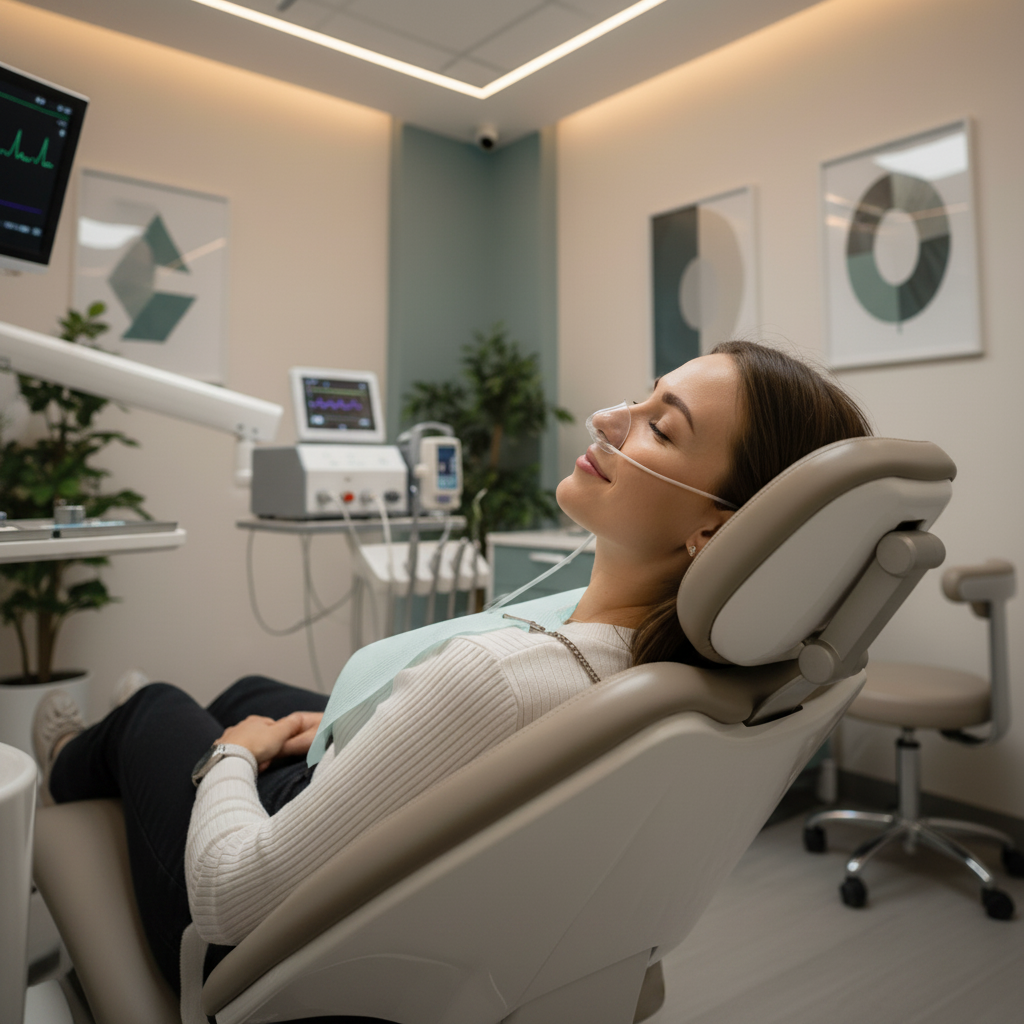
- Nitrous Oxide (Laughing Gas): A mild sedative administered through a mask, nitrous oxide helps patients relax and feel more comfortable. It wears off quickly, allowing patients to drive themselves home.
- Oral Sedation: Prescribed medication taken before the appointment can induce a state of deep relaxation, making the procedure feel much shorter and less anxiety-provoking. Patients will need someone to drive them home.
- Intravenous (IV) Sedation: Administered by a qualified professional, IV sedation provides a deeper level of relaxation, often making patients feel like they’ve slept through the procedure. This is typically used for more extensive or complex treatments, or for patients with severe dental phobia.
These options ensure that whether you’re having a routine filling or a more involved surgical procedure, your discomfort can be effectively managed.
Pain Level of Dental Procedures Australia
The perceived pain level for various dental procedures varies significantly, primarily due to the nature of the treatment and the effectiveness of pain management strategies. Here’s a breakdown of common procedures:
Routine Care: Cleanings and Check-ups
Regular dental check-ups and professional cleanings are generally associated with minimal to no pain. Some patients may experience mild sensitivity during scaling, especially if they have gum recession or pre-existing sensitivity. Modern ultrasonic scalers are designed to be gentle yet effective. Fluoride treatments and routine examinations are entirely painless.
Restorative Treatments: Fillings, Crowns, and Bridges
- Fillings (Composite Bonding): For simple cavities, the procedure is often entirely painless with local anaesthesia. You might feel some pressure and vibration. Post-procedure, there might be slight sensitivity to hot or cold for a day or two, which typically subsides quickly. Composite bonding Australia procedure guide outlines this process.
- Dental Crowns: Placing a dental crown involves preparing the tooth, which is done under local anaesthesia. Most patients report no pain during the preparation phase. There might be some soreness or sensitivity once the anaesthesia wears off, which is usually managed with over-the-counter pain relievers.
- Dental Bridges: Similar to crowns, bridge placement requires preparation of the abutment teeth. Local anaesthesia ensures comfort during the procedure. Post-operative discomfort is generally mild and temporary.
Addressing Infections: Root Canals and Extractions
Contrary to popular belief, a root canal treatment is typically performed to *relieve* severe tooth pain caused by infection, not to cause it. With effective local anaesthesia, the procedure itself is often no more uncomfortable than a standard filling. Patients may experience some soreness or mild discomfort for a few days after, as the inflammation subsides, managed with medication.
Simple tooth extractions, such as removing a decayed or impacted tooth, are performed under local anaesthesia. Patients will feel significant pressure during the extraction but should not feel sharp pain. Post-extraction, mild to moderate pain is common as the anaesthesia wears off, which can be managed with prescribed pain medication or over-the-counter anti-inflammatories. Complex extractions or surgical removal of wisdom teeth may involve more significant post-operative discomfort, swelling, and a longer recovery period.
Advanced Restorations: Dental Implants and Veneers
- Dental Implants: This is a surgical procedure where a titanium post is inserted into the jawbone. While it sounds daunting, dental implant placement is routinely performed with local anaesthesia, often supplemented with oral or IV sedation. Patients report feeling pressure and vibration, but rarely pain during the surgery. Post-operative pain is comparable to a tooth extraction, managed with medication. For a step-by-step guide, see dental implant procedure Australia step-by-step.
- Veneers: The preparation for dental veneers can be minimal or involve slight enamel reduction. In many cases, no anaesthesia is required, or only a small amount of local anaesthesia is used. Patients generally experience very little to no pain during the procedure. Mild sensitivity after placement is possible but usually resolves quickly.
Specialised Procedures: Gum Surgery and Laser Dentistry
Gum surgery, such as gum grafting or pocket reduction, is more invasive but performed with local anaesthesia and often sedation to ensure patient comfort. Post-operative pain is managed with prescribed medication, and swelling is common. Recovery times can vary depending on the extent of the surgery. Laser dentistry, often used for gum procedures or cavity preparation, is known for being less invasive and potentially reducing the need for anaesthesia and post-operative discomfort compared to traditional methods.
Here’s a general overview of perceived pain levels for common procedures:
| Dental Procedure | Perceived Pain Level (During Procedure with Anaesthesia) | Typical Post-Procedure Discomfort | Common Pain Management |
|---|---|---|---|
| Routine Check-up & Cleaning | Minimal to none (slight pressure/sensitivity) | None to mild sensitivity | None usually; desensitising toothpaste for sensitivity |
| Fillings (Composite Bonding) | Minimal (pressure, vibration) | Mild sensitivity to hot/cold for 1-2 days | Over-the-counter pain relievers (e.g., ibuprofen) |
| Tooth Extraction (Simple) | Pressure, no sharp pain | Mild to moderate pain, swelling for 1-3 days | Prescribed/OTC pain relievers, ice pack |
| Root Canal Treatment | Minimal (pressure) | Mild to moderate soreness for a few days | Prescribed/OTC pain relievers |
| Dental Crowns & Bridges | Minimal (pressure, vibration) | Mild soreness/sensitivity for a few days | Over-the-counter pain relievers |
| Dental Implants | Minimal (pressure, vibration) | Moderate pain, swelling for 3-7 days | Prescribed pain medication, ice pack |
| Dental Veneers | Minimal to none (slight pressure) | None to mild sensitivity for 1-2 days | None to over-the-counter pain relievers |
| Gum Surgery | Minimal (pressure) | Moderate pain, swelling for several days | Prescribed pain medication, ice pack |
| Teeth Whitening | None (possible temporary sensitivity) | Temporary tooth sensitivity for 24-48 hours | Desensitising toothpaste, avoid hot/cold foods |
The Role of Technology in Minimising Discomfort
Beyond anaesthesia, technological advancements have played a significant role in making dental procedures less painful and more efficient.
Precision and Comfort: How Modern Tools Help
Digital imaging, such as 3D X-rays (CBCT scans), allows dentists to plan treatments with extreme precision, reducing invasiveness and potential for discomfort. Computer-guided implant surgery, for instance, ensures precise placement, often leading to less post-operative pain and faster healing. Laser dentistry, as offered by many modern clinics, can reduce bleeding, swelling, and the need for stitches in certain procedures, significantly enhancing patient comfort and recovery. Advanced dental tools are quieter and more efficient, contributing to a less stressful and more comfortable experience overall.
Managing Discomfort: Before, During, and After Your Appointment
Proactive Pain Management
Before your appointment, discuss any anxieties or previous negative experiences with your dentist. They can tailor a plan, including sedation options, to ensure your comfort. Understanding the procedure beforehand can also significantly reduce anxiety. Ask about what to expect, how long it will take, and what pain management options are available. Some dentists may suggest taking an over-the-counter anti-inflammatory medication an hour before your appointment to pre-emptively manage any potential discomfort.
Post-Procedure Care and Recovery
- Pain Medication: Use prescribed pain medication as directed, or over-the-counter options like ibuprofen or paracetamol to manage discomfort.
- Swelling Control: Apply an ice pack to the outside of your cheek for the first 24-48 hours to minimise swelling, especially after surgical procedures.
- Diet: Stick to soft foods and avoid very hot or cold items initially to prevent irritation.
- Oral Hygiene: Maintain gentle oral hygiene to prevent infection, but avoid vigorous rinsing or brushing near the treatment site as advised.
Remember that pain is a signal. If your pain is severe, worsening, or not relieved by medication, contact your dental professional immediately. They are there to support your recovery and address any concerns.
Modern dentistry in Australia is built on a foundation of patient-centred care, where discomfort is actively minimised and managed. With advanced techniques, effective anaesthesia, and a compassionate approach, dental professionals ensure that necessary treatments can be undertaken with confidence and peace of mind.