Dental Implants Turkey: 2026 Aussie Guide
Editorially reviewed.

Dental Implants Turkey: 2026 Aussie Guide to a life-changing smile. For many Australians, the dream of a perfect, complete smile can seem financially out of reach. The high cost of dental procedures back home often leads to compromises, delays, or choosing less-than-ideal solutions. However, a growing number of savvy Aussies are discovering a solution that combines affordability, modern technology, and the opportunity for a memorable travel experience: dental tourism in Turkey. This guide is designed specifically for Australians considering this journey in 2026, offering a clear and comprehensive roadmap to understanding the process, benefits, and planning involved in restoring your smile with dental implants in Turkey.
The decision to travel overseas for a medical procedure is significant, and it’s natural to have questions. This guide addresses the core considerations for an Australian patient, from the initial consultation conducted from your living room in Sydney or Melbourne to the final placement of your crowns in a modern Istanbul clinic. It’s about more than just cost savings; it’s about accessing a level of care and technology that results in a durable, natural-looking, and fully functional set of teeth that can last a lifetime.

Why Turkey is the Premier Destination for Dental Work
The surge in popularity for Turkish dental clinics among international patients, especially from Australia, is no coincidence. It is built on a solid foundation of quality, innovation, and value.
Technology and Materials: What to Check
Turkish dental clinics are known for their commitment to adopting the latest technological advancements in the field. This includes the widespread use of Cone Beam Computed Tomography (CBCT) for precise 3D imaging of the jawbone, which is crucial for accurate implant placement. Computer-Aided Design/Computer-Aided Manufacturing (CAD/CAM) technology is also standard, allowing for the creation of perfectly fitting, aesthetically pleasing crowns and bridges in a remarkably short time. The materials used, such as titanium for the implants and high-grade zirconia or E-max for the crowns, are sourced from the same established global manufacturers used by dentists in many countries.
Dentists’ Training and Experience: What to Check
The expertise of Turkish dentists and oral surgeons is a cornerstone of the country’s success. Many have trained internationally in Europe and the United States, bringing a wealth of global knowledge and experience back to their practices. This high level of specialisation ensures that even the most complex cases, such as full-mouth restorations or cases requiring bone grafts, are handled with precision and expertise. Clinics pride themselves on their multidisciplinary teams who collaborate to create comprehensive and personalised treatment plans for every patient.
The All-Inclusive Service Model
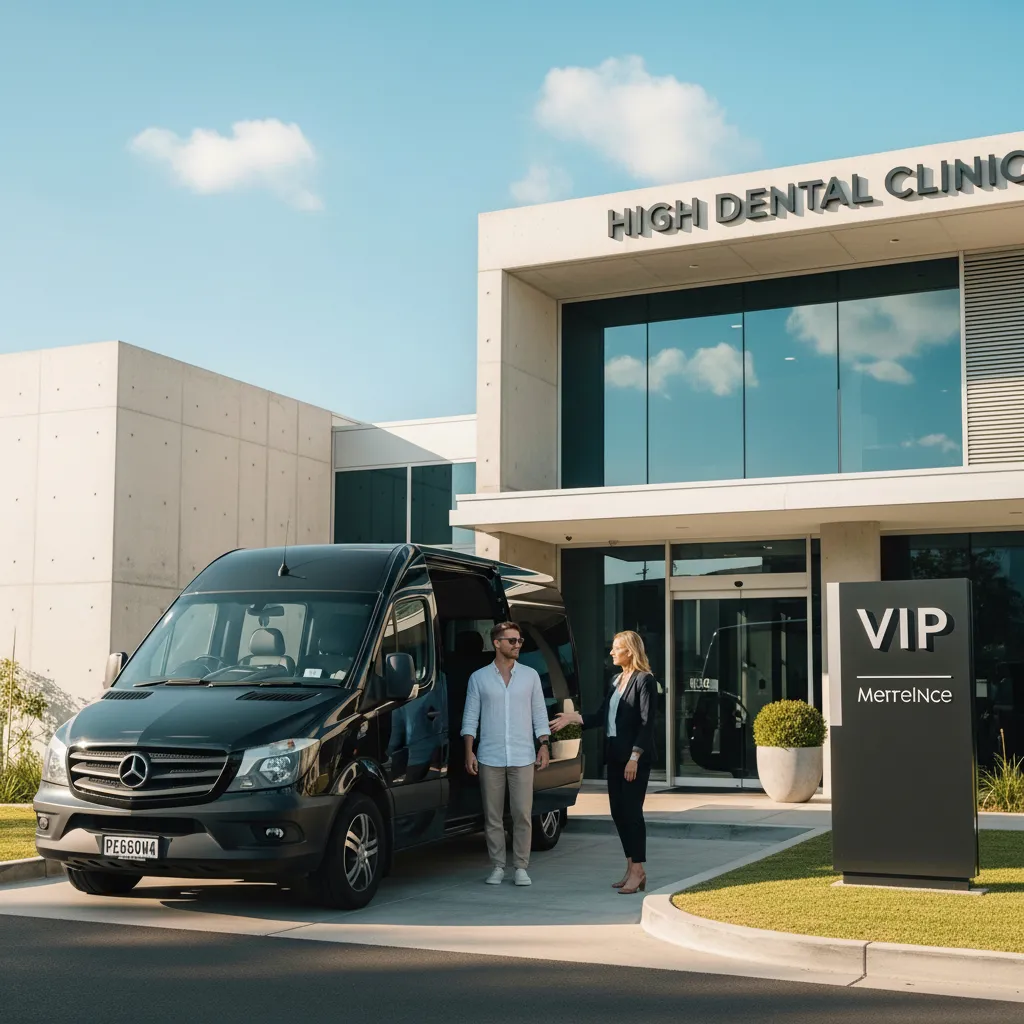
Understanding the complexities of travelling for medical care, some Turkish clinics have perfected an all-inclusive service model designed to provide a seamless and stress-free experience. These packages typically cover more than just the dental procedure. They often include hotel accommodation, private airport and clinic transfers, a dedicated patient coordinator who speaks fluent English, and all necessary medications. This comprehensive approach means that from the moment you land in Turkey, every detail is managed for you, allowing you to focus solely on your treatment and recovery. This level of service transforms a medical trip into a comfortable, almost vacation-like experience.
The Dental Implant Journey: A Step-by-Step Breakdown
The process of getting dental implants in Turkey is typically structured across two separate visits, with a crucial healing period in between. This two-phase approach is essential to ensure the long-term success of the implant.
Phase 1: The Initial Trip for Implant Placement
Your journey begins with an in-depth remote consultation. You will send panoramic X-rays or 3D scans from Australia to the clinic in Turkey. The dental team will assess your jawbone density and overall oral health to create a preliminary treatment plan and a detailed cost estimate. Once you approve the plan and schedule your trip, the first physical visit begins. Upon arrival, you will have a face-to-face consultation and a new set of detailed scans. The surgical procedure itself involves placing the titanium implant posts directly into your jawbone. This is performed under local anaesthesia and is generally a comfortable process. After the surgery, you will be given temporary teeth, if necessary, and detailed aftercare instructions before you fly back home to Australia.
Phase 2: The Healing Period and Final Restoration
The period between your first and second visits is perhaps the most critical part of the entire process. This is the time for osseointegration to occur. Osseointegration is the remarkable biological process where your natural bone tissue fuses with the titanium implant, creating an incredibly strong and stable foundation, much like a natural tooth root. This scientific principle is the key to the durability of dental implants. This healing phase typically lasts between 3 to 6 months, depending on your individual healing capacity and the complexity of your case. During this time, you are back home, living your life as normal while this powerful fusion takes place beneath the gums. The clinic will stay in touch to monitor your progress. Once osseointegration is complete, you will return to Turkey for your second and final visit. This trip is shorter and involves uncovering the implants, placing the abutments (connector pieces), and fitting your final, custom-crafted crowns or bridges. The result is a fully restored, beautiful, and permanent smile.
Pros and Cons of Implants Overseas: Side by Side
| Factor | Australia | Turkey |
|---|---|---|
| Cost per complete implant | High | Usually considerably lower; travel costs extra |
| Technology and materials | Modern equipment; materials regulated by the TGA | Modern equipment in many clinics; implant brands vary, so confirm in writing |
| Waiting times | Can be long for some specialists | Often short scheduling for international patients |
| Logistics | Local appointments; no travel needed | Usually two long-haul trips; packages may include transfers, hotel and an interpreter |
| Practitioner oversight | Registered with the Dental Board of Australia (AHPRA); checkable online | Licensed in Turkey; qualifications must be verified by the patient |
| Aftercare and complications | Same dentist nearby for reviews and repairs | Remote advice; hands-on care requires a local dentist or a return trip |
| Recourse if things go wrong | AHPRA and state health complaint bodies | Turkish processes only, difficult to pursue from Australia |
Risks That Deserve Weight
- Surgical risks: infection, nerve injury causing numbness, sinus problems and implant failure can occur wherever surgery is performed. Smoking, uncontrolled diabetes and gum disease increase the risk.
- Long-haul travel: flights between Australia and Istanbul usually take more than 20 hours with a stopover. Flying soon after surgery raises the risk of blood clots and makes swelling or bleeding harder to manage.
- Compressed schedules: short stays leave limited time to identify and correct problems before you leave.
- Later complications: peri-implantitis (inflammation around an implant) or loose components can appear months or years later, when you are back home.
- Insurance: many travel insurance policies exclude planned medical treatment and its complications, and Australian health funds generally do not pay for treatment overseas.
Quality, Hygiene and Follow-up: What to Ask
Many clinics state that they follow strict sterilisation protocols and that their dentists are experienced in complex implant cases. Rather than relying on these claims, ask specific questions:
- Who will place the implants, and what are their qualifications and implant experience?
- Is the clinic licensed, and does it hold any recognised accreditation?
- Which implant system and crown material will be used, and will you receive the implant documentation?
- How are instruments sterilised?
- What does the written warranty cover, under what conditions, and who pays for return travel if an implant fails?
- Will you receive a complete record of treatment, including scans, so an Australian dentist can provide check-ups and repairs?
The choice between Australia and Turkey depends on your budget, your health, the complexity of your case and how much you value having your dentist close by. Turkey can make implants far more affordable, while Australia offers proximity, straightforward follow-up and clear recourse. Before deciding, have an individual examination and a written treatment plan from a qualified, licensed dentist.
Further reading
- Cosmetic dentistry and teeth whitening — Better Health Channel (Victorian Government Department of Health)
- Policy Statement 2.2.6 – Elective Overseas Dental Treatment — Australian Dental Association
- ADA President warns of the risk of dental tourism — Australian Dental Association
Planning Your Trip from Australia
Proper planning is key to a smooth and successful dental tourism experience. For Australians, this involves a few key logistical steps that are easily managed with the help of a reputable clinic’s patient coordination team.
Your Complete Trip Planning Checklist
To simplify the process, we have broken down the key stages and actions into a clear timeline. This ensures you can prepare effectively for your journey to a new smile.
| Phase | Timeline | Key Actions | Location |
|---|---|---|---|
| Research & Consultation | 6-8 Months Before Trip 1 | Research some clinics. Request quotes. Have an online consultation with your chosen clinic by sending X-rays. Finalise treatment plan. | Australia |
| Booking & Logistics | 3-4 Months Before Trip 1 | Book flights to Istanbul. Confirm accommodation and transfer package with the clinic. Apply for a Turkish e-Visa online (if required). | Australia |
| Visit 1: Implant Surgery | (Approx. 5-7 Days) | Fly to Turkey. Have in-person consultation and surgery. Receive temporary prosthetics and aftercare instructions. | Turkey |
| Healing & Osseointegration | 3-6 Months | Return home. Follow all aftercare instructions diligently. Allow the implant to fuse with the jawbone. Maintain communication with the clinic. | Australia |
| Visit 2: Crown Placement | (Approx. 6-8 Days) | Book second set of flights. Fly to Turkey. Have abutments placed and final crowns/bridges fitted. Final checks and adjustments. | Turkey |
| Long-Term Care | Ongoing | Return home with a new smile. Maintain excellent oral hygiene. Attend regular check-ups with your local dentist in Australia. | Australia |
Aftercare and Ensuring Longevity
The long-term success of your dental implants is directly tied to your commitment to aftercare. While the implants themselves are made of durable titanium and are not susceptible to decay, the surrounding gum tissue requires diligent care. Maintaining a rigorous oral hygiene routine, including brushing, flossing (or using a water flosser), and attending regular check-ups with your local dentist in Australia, is essential. These practices prevent gum disease, which is the primary threat to the stability of a dental implant. With proper care, your Turkish dental implants can and should last a lifetime, making them a truly permanent solution for tooth loss. If you are ready to begin exploring your options and receive a personalised treatment plan, the first step is to get in touch with a qualified team. You can start your journey by reaching out for a no-obligation consultation today.