How to Save Money on Dental Care Australia
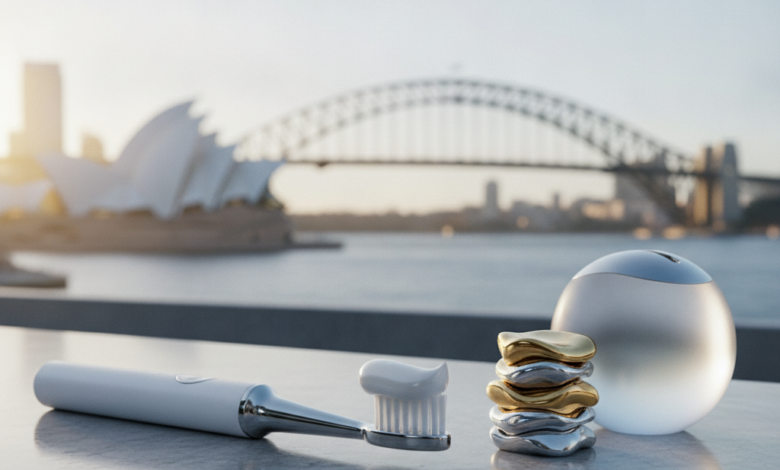
How to Save Money on Dental Care Australia is a common concern for many residents facing the often-high costs associated with maintaining oral health. Dental care in Australia is largely privatised, leading to significant out-of-pocket expenses for many individuals and families. Navigating this landscape requires a strategic approach, combining informed choices, proactive prevention, and an understanding of available resources to ensure your smile remains healthy without breaking the bank.
Oral health is intrinsically linked to overall well-being, yet for a considerable portion of the Australian population, accessing affordable dental treatment remains a significant challenge. Unlike many other developed nations, Australia does not have a universal public dental scheme for all adults, meaning most dental services are paid for privately. This structural reality necessitates a proactive approach to managing costs, from understanding insurance options to exploring alternative avenues for care. By understanding the various pathways available, Australians can make more informed decisions, ensuring they receive necessary treatments without financial strain.
Understanding the Australian Dental Landscape and Its Costs
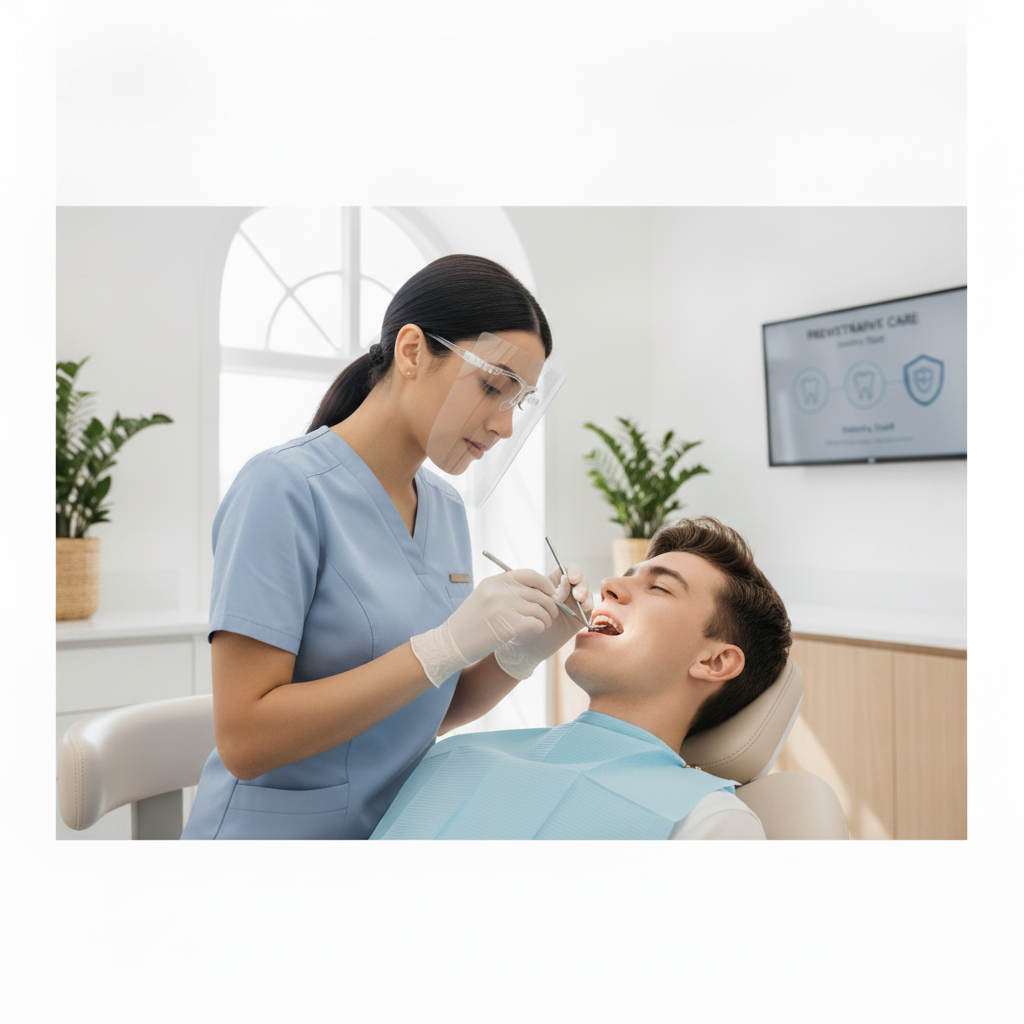
The high cost of dental care in Australia stems from several factors. Primarily, Medicare, Australia’s universal health insurance scheme, offers very limited coverage for general dental services for adults. It primarily focuses on medical care, leaving dental treatment largely to the private sector. While children may have access to some public dental benefits, adults often find themselves paying the full fee for consultations, fillings, extractions, and more complex procedures like root canals or crowns. This system often leaves many Australians delaying or foregoing essential dental work due to financial barriers, leading to more severe and costly problems down the line.
The lack of comprehensive public funding means that private dental clinics operate on a fee-for-service model. These fees can vary significantly depending on the location of the clinic, the dentist’s experience, the complexity of the procedure, and the materials used. Additionally, the cost of living and operating a dental practice in Australia contributes to the overall price structure. This makes it imperative for individuals to actively seek out strategies to mitigate these expenses.
Navigating Public vs. Private Dental Care in Australia
To effectively manage dental costs, it’s crucial to understand the differences between public and private dental care options. While the private sector offers greater choice, shorter wait times, and often more advanced technologies, it comes at a premium. The public dental system, on the other hand, is significantly more affordable, sometimes even free, but typically restricted to specific eligibility criteria and often involves longer waiting lists.
* **Public Dental Services**: These services are primarily delivered through state and territory governments and are generally means-tested. Eligibility often depends on holding a concession card (such as a Health Care Card or Pensioner Concession Card) and can vary by state or territory. Services typically include general dental care, emergency treatment, and some specialist services. The main drawback is often long waiting lists, particularly for non-emergency treatments. For a deeper dive into these options, you can explore resources like Public vs Private Dental Care Australia Explained.
* **Private Dental Services**: This is the dominant form of dental care. Patients choose their dentist and pay fees directly, often with some reimbursement from private health insurance. While more expensive, it offers immediate access to care, a wider choice of practitioners, and generally more comprehensive services.
Effective Strategies for How to Save Money on Dental Care Australia
Saving money on dental care doesn’t necessarily mean compromising on quality or neglecting your oral health. It involves a combination of smart planning, preventive measures, and exploring all available avenues.
Prioritising Preventive Care
The most fundamental and effective way to save money on dental care is through diligent preventive care. Regular brushing, flossing, and a balanced diet significantly reduce the risk of common dental problems like cavities and gum disease. These issues, if left untreated, can escalate into more complex and expensive procedures.
* Brushing and Flossing: Dedicate two minutes, twice a day, to brushing with a fluoride toothpaste. Floss daily to remove plaque and food particles from between teeth and under the gum line, areas your toothbrush can’t reach.
* Healthy Diet: Limit sugary foods and drinks, which contribute to tooth decay. Opt for water over soft drinks and incorporate plenty of fruits, vegetables, and dairy products into your diet.
* Regular Check-ups: Visiting your dentist for a check-up and professional clean every six to twelve months allows for early detection of potential problems. Addressing issues when they are small and manageable is always cheaper than waiting until they become severe emergencies requiring extensive treatment.
Exploring Private Health Insurance Options
Private health insurance with “extras” cover (also known as ancillary cover) can help offset the cost of private dental care. However, it’s crucial to understand that not all policies are created equal, and some may not offer the significant savings you expect.
* Understand Your Policy: Before committing, thoroughly review what dental services are covered (e.g., general, major, orthodontics), the annual limits, waiting periods, and the percentage of the fee you’ll be reimbursed. Many policies have waiting periods for major dental work, so planning ahead is key.
* Compare Providers: The Australian private health insurance market is competitive. Use comparison websites to find policies that offer the best value for your specific dental needs. Look for policies with higher annual limits and lower out-of-pocket expenses for services you anticipate needing.
* Consider the “Gap”: Even with private health insurance, you will likely pay a “gap” payment, which is the difference between the dentist’s fee and what your insurer pays. Always ask your dentist for a treatment plan with item numbers so you can check with your insurer how much they will cover.
Utilising Government and Community Programs
Beyond the general public dental system, there are other programs that can provide relief for specific groups or circumstances.
* Child Dental Benefits Schedule (CDBS): For eligible children aged 2-17, the CDBS provides up to $1,050 over two calendar years for a range of basic dental services. This is a significant program that can save families a substantial amount on their children’s dental care.
* Dental Schools: Some university dental schools offer reduced-cost treatment for patients willing to be treated by supervised dental students. While appointments may take longer, the quality of care is high, as students are closely monitored by experienced faculty.
* Community Health Centres: Certain community health centres may offer affordable dental services, especially in rural or underserved areas. These are often funded by local governments or charities.
Considering Dental Tourism
For extensive or complex dental work, some Australians opt for dental tourism, travelling overseas to countries where dental treatment costs are significantly lower. This strategy can lead to substantial savings, especially for procedures like veneers, implants, or full mouth restorations.
* Research and Due Diligence: If considering dental tourism, thoroughly research the clinics, dentists, and the standards of care in your chosen destination. Look for clinics with international accreditations, clear communication, and transparent pricing.
* Factor in All Costs: Remember to include travel, accommodation, and time off work when calculating the total cost of dental tourism. Also, consider the logistics of follow-up care if needed once you return to Australia. While it can offer considerable savings on the procedure itself, a holistic view of the expenses is crucial.
Negotiating and Getting Multiple Quotes
Don’t be afraid to discuss costs with your dentist.
* Ask for a Treatment Plan: Request a detailed treatment plan outlining all proposed procedures, their associated costs, and the item numbers. This allows you to understand exactly what you are paying for and check against your insurance policy.
* Seek Multiple Quotes: For major procedures, it’s wise to get quotes from a few different dentists. Prices can vary, and this can help you find a more affordable option without sacrificing quality. However, be wary of unusually low prices, as they might indicate a compromise on materials or expertise.
* Payment Plans: Many dental practices offer interest-free payment plans, allowing you to spread the cost of treatment over several months. Inquire about these options if a large upfront payment is challenging.
Here is a comparison of popular strategies to help you save money on dental care in Australia:
| Strategy | Description | Pros | Cons | Best For |
|---|---|---|---|---|
| Preventive Care | Brushing, flossing, regular check-ups to avoid major issues. | Lowest long-term cost, best for overall health. | Requires consistent effort, doesn’t cover existing severe problems. | Everyone, particularly proactive individuals. |
| Private Health Insurance (Extras) | Paying premiums for partial reimbursement of dental costs. | Reduces out-of-pocket expenses for private care, shorter wait times. | Monthly premiums, waiting periods, annual limits, ‘gap’ payments. | Those who regularly use private dental services, families. |
| Public Dental Services | Government-funded dental clinics. | Low or no cost for eligible individuals. | Strict eligibility criteria (concession card holders), long waiting lists. | Concession card holders, those with urgent needs willing to wait. |
| Dental Tourism | Travelling overseas for major dental procedures. | Significant cost savings for complex treatments. | Travel costs, potential for complications far from home, varying standards. | Those needing extensive, expensive work, willing to travel. |
| Payment Plans / Financing | Spreading the cost of treatment over time. | Makes large treatments more accessible, often interest-free. | Still have to pay the full cost eventually, may involve fees. | Patients needing immediate major treatment who can manage instalments. |
The Power of Early Intervention

Delaying dental treatment due to cost concerns is a common, yet often counterproductive, approach. A small cavity that could be fixed with an inexpensive filling can, if left untreated, develop into a deep decay requiring a root canal, crown, or even extraction and an implant – procedures that are significantly more expensive and invasive. Regular dental check-ups are not merely about cleaning; they are crucial opportunities for dentists to identify minor issues before they escalate. Early intervention is almost always the least expensive and least painful option. Maintaining good oral hygiene habits at home, combined with professional oversight, serves as your best defense against both dental problems and exorbitant bills. A healthy mouth is not just about aesthetics; it’s a foundation for overall health, reducing risks of systemic issues linked to oral infections. Oral hygiene practices are fundamental to preventing such escalating costs.
Navigating the landscape of dental care costs in Australia can be daunting, but with a well-thought-out strategy, it is entirely possible to maintain excellent oral health without undue financial burden. From meticulous at-home care and understanding your insurance options to exploring public services and considering payment plans, every step contributes to managing your expenses effectively. The key lies in proactive engagement with your oral health, making informed decisions, and seeking out the best value for your dental needs.