How to Choose a Dental Clinic: Australia or Turkey

There is no single “best” dental clinic: the right choice depends on the treatment you need, your health, your budget and how much follow-up care you are likely to require. What you can do is judge clinics against objective criteria. This article sets out how to choose a dental clinic, whether you are comparing practices in Sydney, Melbourne or Brisbane or weighing up a clinic in Istanbul, and looks honestly at how cost and distance change the equation.
What sets a good dental clinic apart
Appropriate technology and materials
Modern equipment does not guarantee good dentistry, but it supports accurate diagnosis and planning. Things to look for include:
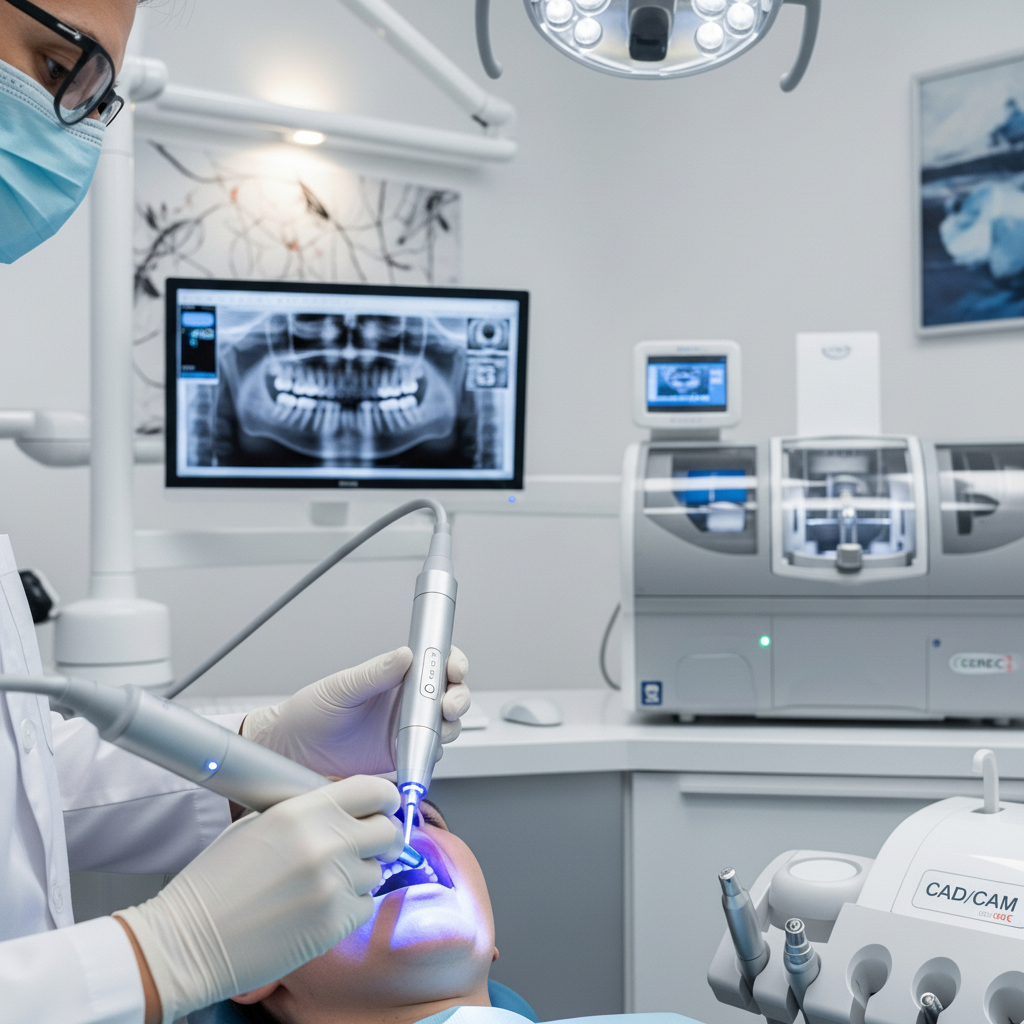
- Intraoral scanners, which capture digital impressions for crowns, bridges and veneers instead of traditional impression paste.
- Panoramic X-rays and CBCT (cone beam CT), which are important for planning implant surgery because they show the bone in three dimensions and help the surgeon avoid nerves and the sinuses.
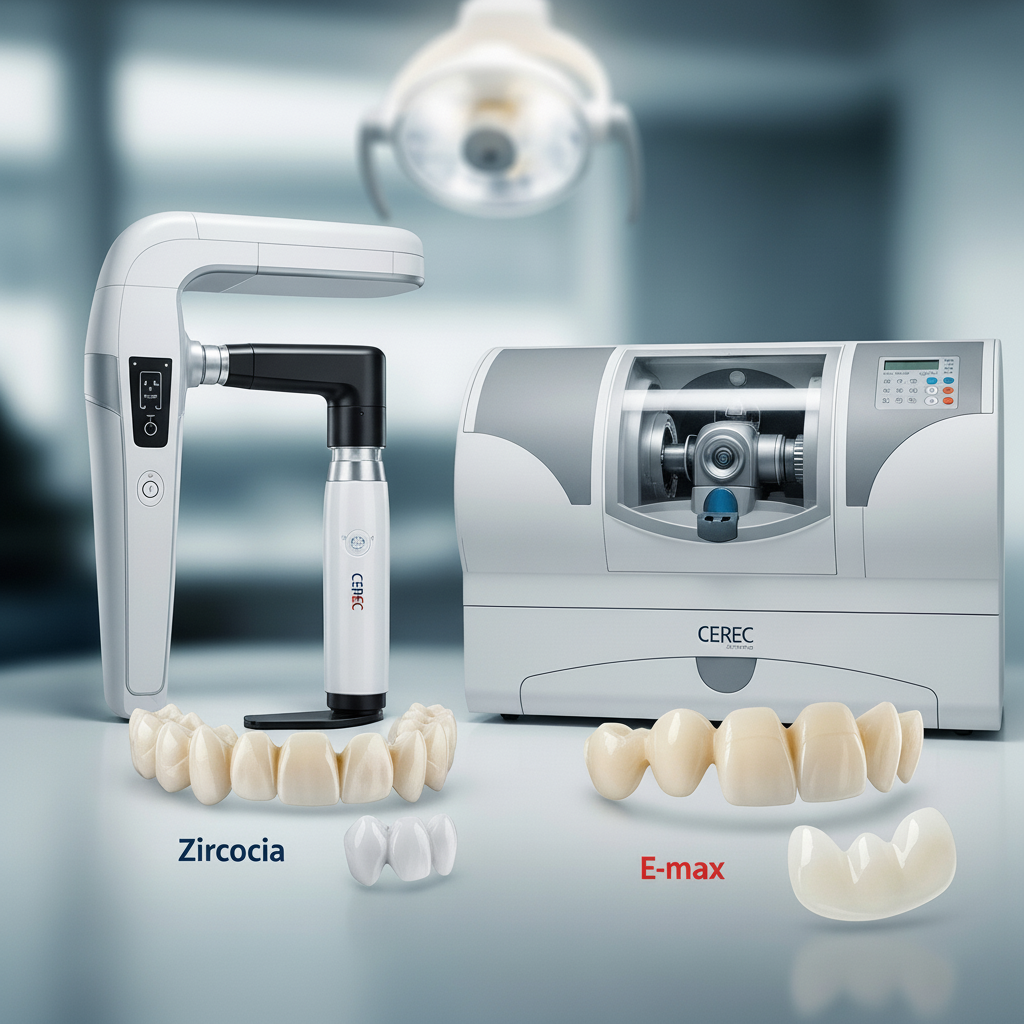
- CAD/CAM systems, such as CEREC, which can design and mill ceramic restorations, sometimes in a single visit.
- Recognised materials such as zirconia or lithium disilicate (E.max) for crowns and veneers, and established implant systems with documented components that other dentists can service later.
Qualified, experienced practitioners
A general dentist handles most routine care, but complex treatment may call for a specialist. Relevant specialties include prosthodontists (crowns, bridges, dentures and implant-supported restorations), periodontists (gums and supporting bone), endodontists (root canal treatment) and oral and maxillofacial surgeons. In Australia, you can check a dentist’s registration, and whether they are a registered specialist, on the AHPRA public register. Experience with your specific procedure matters: ask how often the dentist performs it and how complications are managed.
Transparency and honest communication
A good clinic gives you a written, itemised treatment plan before starting, explains the alternatives (including less invasive or no-treatment options), discusses risks and expected longevity, and answers questions clearly. Reviews on independent platforms can give useful context, but before-and-after galleries are selected by the clinic and are not proof of typical results.
Aftercare and complications policy
Ask what happens if a crown fractures, an implant fails or you develop an infection. Who pays for the repair, within what time frame, and under what conditions? A clear answer in writing is a good sign.
How to choose a dental clinic when cost is the main barrier
Many Australian practices meet these standards, but cost remains the biggest obstacle for many people. High running costs, wages, professional indemnity insurance and equipment are reflected in fees. Medicare does not cover most adult dental treatment, and private extras cover usually pays only part of the cost of major work such as implants or full-mouth rehabilitation. Some people delay necessary treatment as a result, which can lead to more complex and costly problems later.
The table below gives rough ranges in Australian dollars for common treatments in Australia and Turkey. They are approximate (2026), vary by case, clinic and materials, and the Turkish figures exclude travel and accommodation.
| Procedure | Approx. cost in Australia (AUD) | Approx. cost in Turkey (AUD) |
|---|---|---|
| Implant (including abutment and zirconia crown) | $5,000 – $7,500 | $800 – $1,500 |
| Porcelain veneer (per tooth) | $1,500 – $2,500 | $400 – $600 |
| Zirconia crown | $2,000 – $3,000 | $350 – $550 |
| All-on-4 full-arch rehabilitation (per jaw) | $25,000 – $35,000 | $5,000 – $9,000 |
Considering a clinic in Turkey
Lower prices in Turkey reflect a different cost structure: wages, rents, laboratory fees and general living costs are lower than in Australia. Many Istanbul clinics that serve international patients use CBCT scanners, CAD/CAM systems and well-known implant and ceramic brands. However, standards vary considerably between clinics, and claims about equipment, brands, overseas training or certifications should be verified rather than assumed.
Extra factors to check for overseas clinics
- Who treats you: the name, qualifications and experience of the dentist doing the work, not just the clinic’s brand.
- Licensing and accreditation: proper licensing with the Turkish health authorities and any recognised accreditation the clinic holds.
- Named materials: implant system and ceramic brands stated in writing, with records you can take home.
- Realistic timelines: enough time for examination, treatment, adjustments and recovery before a long flight.
- Follow-up at home: how complications will be handled once you are back in Australia, and whether the clinic contributes to the cost of local repairs or return travel.
Packages and practicalities
Many clinics offer packages including airport transfers, accommodation and an interpreter. These can make logistics easier, but they say nothing about clinical quality. Also factor in the journey itself: flights from Australia to Istanbul involve at least one stopover and usually more than 20 hours of travel, and implant treatment usually needs two trips. Many travel insurance policies exclude planned medical treatment, and Turkish dentists are not covered by AHPRA’s complaints process. Our guide to dental tourism for Australians covers trip planning in more detail.
A simple checklist
- Get a detailed, itemised written quote and treatment plan.
- Check the dentist’s qualifications, registration and experience with your procedure.
- Ask which materials and implant systems will be used.
- Ask about risks, alternatives and expected longevity.
- Get the complications and warranty terms in writing, including any conditions attached.
- Read independent reviews, but do not rely on them alone.
- Make sure you feel the clinic communicates clearly and answers questions without pressure.
Whether you choose a clinic in Australia or overseas, start with an individual examination and a written treatment plan from a qualified, licensed dentist, and take the time to compare options before you commit.

Request your personal treatment plan and quote
Tell us briefly what you need. Your request is passed to a dental clinic in Turkey, which will contact you with a treatment plan and price. No obligation.