Dental Crowns Brisbane – Price Breakdown
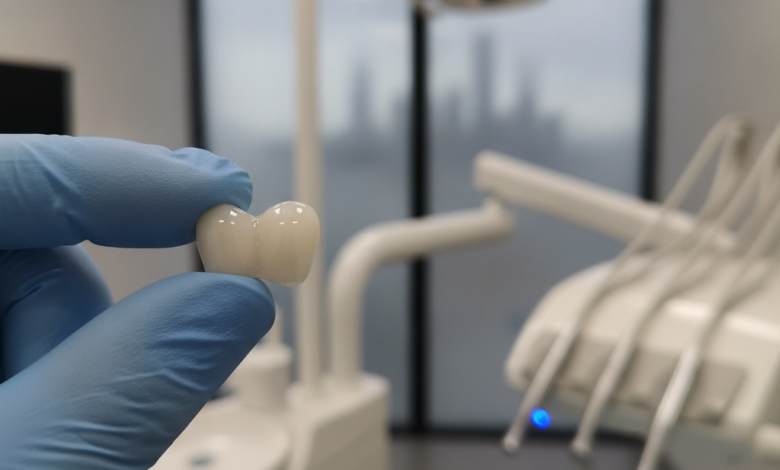
To provide a clearer picture, here’s an estimated price breakdown for different types of dental crowns in Brisbane:
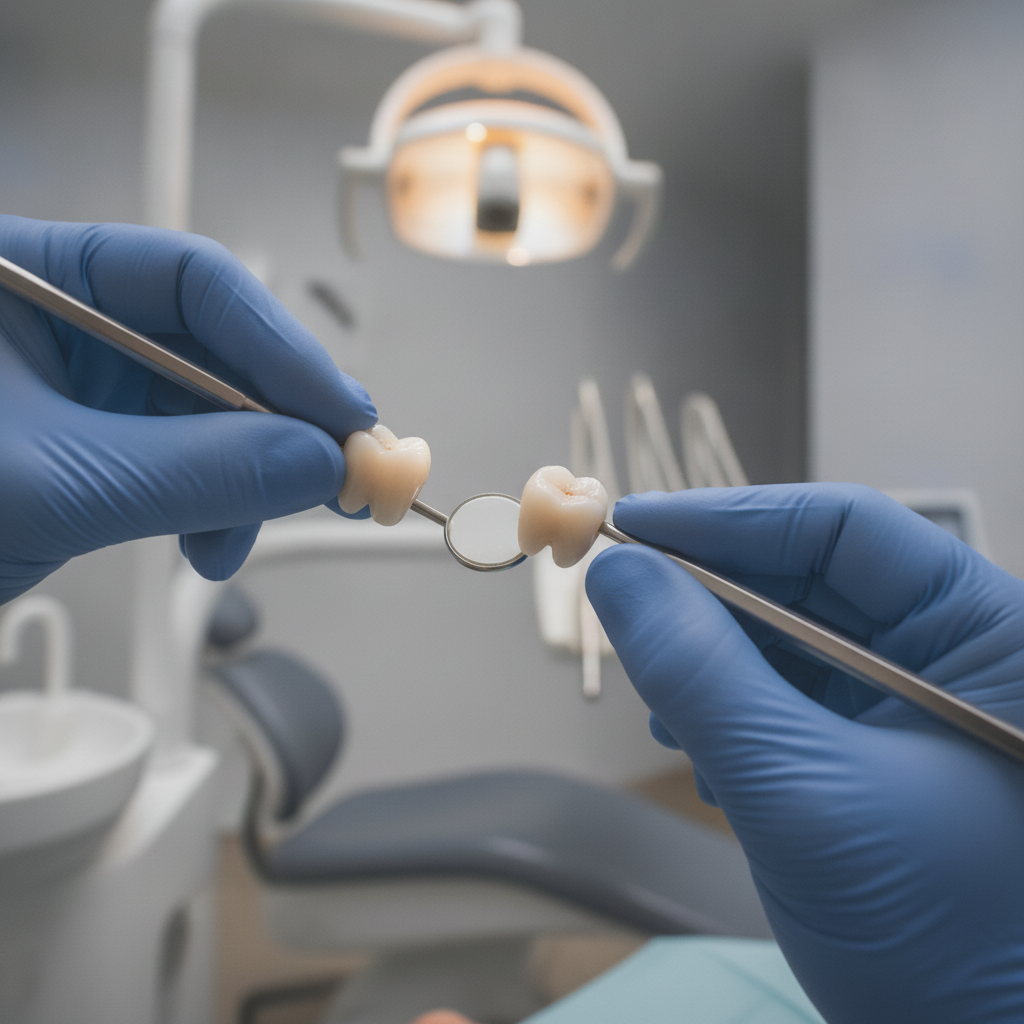
Dental Crowns Brisbane – Price Breakdown. Achieving a healthy, functional, and aesthetically pleasing smile is a priority for many, and dental crowns play a pivotal role in restoring damaged or weakened teeth. In Brisbane, the demand for high-quality dental care, including crowns, is consistently high, driven by a population that values oral health and cosmetic appeal. Understanding the nuances of dental crowns, from their purpose and types to the factors influencing their cost, is essential for anyone considering this significant dental investment. This comprehensive guide aims to demystify dental crowns in Brisbane, offering insights into what they are, the procedure involved, and a detailed breakdown of the associated prices, helping you make an informed decision for your dental health.
Understanding Dental Crowns: A Foundation for Your Smile
Dental crowns, often referred to as ‘caps,’ are custom-made coverings that fit over the entire visible portion of a damaged tooth, resting at the gum line. Their primary function is to restore a tooth’s shape, size, strength, and improve its appearance. Unlike fillings that only cover a portion of the tooth, a crown encases the entire tooth structure. This protective covering acts as a sturdy shield, preventing further deterioration and allowing the tooth to function normally under the stresses of biting and chewing. The material chosen for a crown significantly impacts its aesthetics, durability, and cost, which are all crucial considerations in Brisbane’s diverse dental market. A dental crown not only restores the physical integrity of a tooth but also contributes significantly to the overall harmony and balance of your smile, preventing issues like malocclusion and further decay.
Why Might You Need a Dental Crown?
A dental crown is recommended for various reasons, often when a tooth has sustained significant damage that cannot be adequately addressed with a simple filling. Common scenarios include:
- Protecting a weak tooth from breaking or holding together parts of a cracked tooth, distributing biting forces evenly across its surface.
- Restoring an already broken tooth or a tooth that has been severely worn down due to erosion or bruxism.
- Covering and supporting a tooth with a large filling when there isn’t much original tooth structure remaining, providing reinforced stability.
- Covering misshapen or severely discolored teeth for cosmetic improvement, enhancing confidence and smile aesthetics.
- Covering a dental implant, serving as the artificial tooth that functions indistinguishably from natural teeth.
- Making a cosmetic modification to achieve a desired smile aesthetic, correcting minor alignment issues or discrepancies in tooth size.
- Holding a dental bridge in place, anchoring the prosthetic to adjacent natural teeth.
The decision to get a crown is typically made after a thorough examination by a qualified dentist, who assesses the extent of damage, evaluates the surrounding gum and bone health, and discusses the most suitable restorative options with the patient, considering both functional and aesthetic goals. This comprehensive evaluation ensures the crown addresses the underlying problem while integrating seamlessly with your oral health.
Types of Dental Crowns and Their Material Differences
The advancement in dental technology has led to a variety of materials used for dental crowns, each offering unique benefits in terms of aesthetics, strength, and biocompatibility. The choice of material often depends on the tooth’s location (front or back), the patient’s bite, aesthetic preferences, and budget. Modern material science ensures that today’s crowns are not only robust but also integrate well with the body.
Porcelain and Ceramic Crowns
These crowns are highly favoured for their natural appearance, closely matching the colour of existing teeth. They are metal-free, making them an excellent choice for individuals with metal allergies or those who prioritise aesthetics, particularly for front teeth. All-ceramic or all-porcelain crowns are crafted from a single block of porcelain or ceramic, offering superior translucency that mimics natural tooth enamel, making them virtually indistinguishable from surrounding teeth. However, while they offer superior aesthetics, they may not be as strong as metal-based crowns and can be more prone to chipping under heavy biting forces, especially on posterior teeth. Continuous research in ceramic materials is, however, steadily improving their fracture resistance and overall longevity.
Zirconia Crowns
Zirconia crowns are relatively new to dentistry and have gained immense popularity due to their exceptional strength and durability, coupled with good aesthetics. Zirconia is a type of ceramic material that is biocompatible, meaning it is well-tolerated by the body, and highly resistant to fracture, wear, and corrosion. They are often a preferred choice for back teeth where biting forces are stronger, but newer translucent zirconia options are also being successfully used for front teeth where aesthetics are paramount. While traditionally more opaque than porcelain, advancements in manufacturing processes have significantly improved their aesthetic appeal, offering a robust, long-lasting, and aesthetically pleasing solution. Their wear resistance also means they are less likely to cause abrasive wear on opposing natural teeth compared to some older materials.
Porcelain Fused to Metal (PFM) Crowns
PFM crowns combine the strength of a metal base (typically a precious or semi-precious alloy) with the aesthetic appeal of a porcelain outer layer. The metal substructure provides excellent structural support and durability, making them highly resistant to fracture, while the porcelain surface can be meticulously matched to the patient’s natural tooth colour. This combination makes them a versatile option, suitable for both front and back teeth, balancing resilience with cosmetic requirements. A common concern with PFM crowns is the potential for a dark line or ‘grey margin’ to appear at the gum line over time as gums naturally recede, revealing the underlying metal. Despite this aesthetic limitation in some cases, PFM crowns remain a popular and cost-effective choice due to their proven balance of strength, aesthetics, and long-term clinical success.
The Dental Crown Procedure: What to Expect
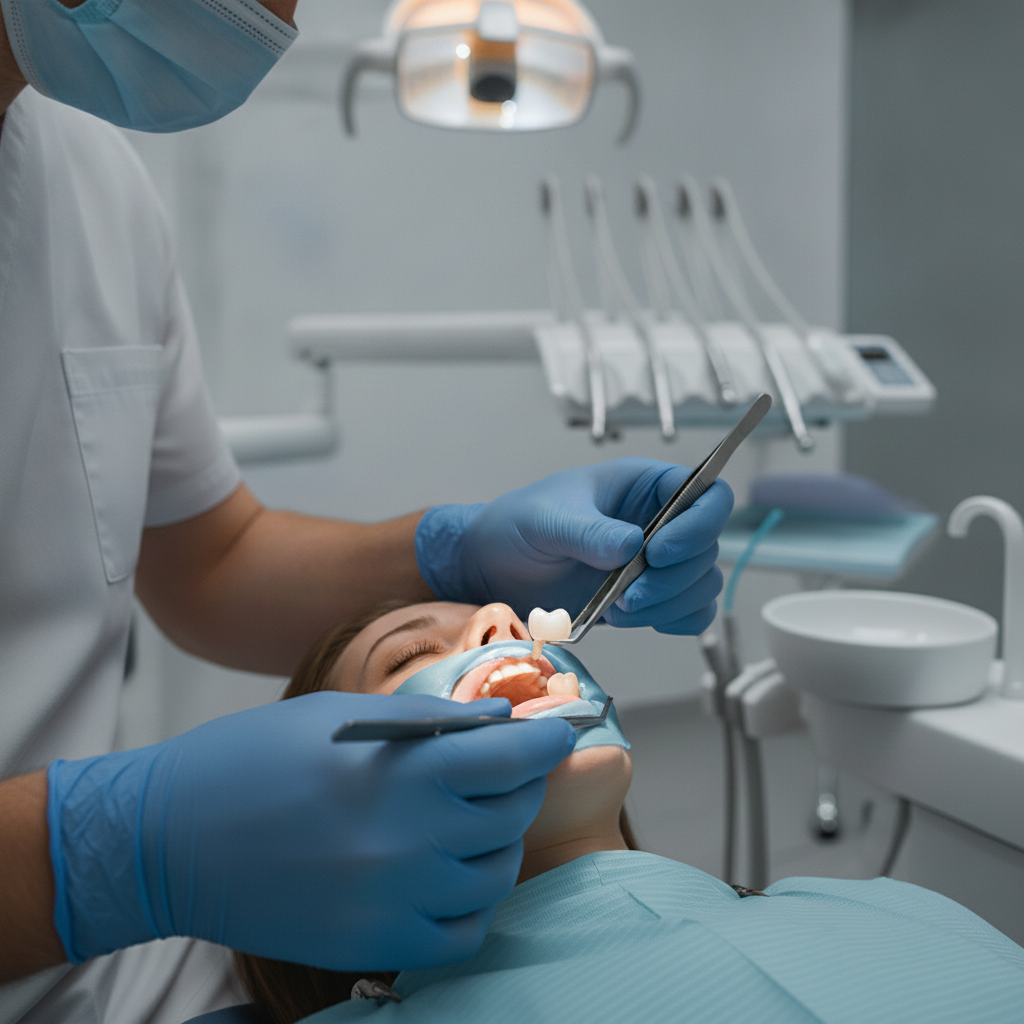
Getting a dental crown typically involves two visits to the dentist, spaced over a few weeks, though some advanced clinics may offer single-visit crowns using CAD/CAM technology. Modern clinics in Brisbane utilise advanced technology to ensure precision and patient comfort throughout the process, aiming for a seamless restoration experience.
The Preparation and Impression Process
During the first visit, the dentist will conduct a thorough examination, including X-rays and potentially 3D scans, to assess the tooth’s condition and determine if a crown is the appropriate treatment. This comprehensive evaluation ensures the underlying tooth structure is healthy. If a crown is chosen, the tooth will be meticulously prepared by removing a precise portion of its outer surface. This is done under local anaesthesia to ensure complete comfort and create sufficient space for the crown material, ensuring it doesn’t appear bulky. If the tooth has extensive decay or damage, a ‘core build-up’ may be necessary to provide a solid foundation for the crown. After preparation, a precise impression of the prepared tooth and the surrounding teeth is taken. This can be either a traditional putty impression or a highly accurate digital scan using an intraoral scanner. This precise mould is then sent to a dental laboratory where the custom crown will be fabricated to perfectly fit your tooth and align with your bite, ensuring optimal function and aesthetics.
Temporary and Permanent Crown Placement
While your permanent crown is being meticulously crafted in the dental lab, which typically takes one to three weeks, a temporary crown, usually made of acrylic, is placed over the prepared tooth. This temporary cap serves several crucial purposes: it protects the sensitive prepared tooth from external stimuli, prevents further damage, and maintains its position in the dental arch to avoid shifting. Upon your return for the second appointment, the temporary crown is carefully removed. The permanent crown is then thoroughly checked for an ideal fit, accurate colour match with adjacent teeth, and proper alignment with your bite. Any necessary micro-adjustments are made to ensure optimal comfort and a natural appearance before the crown is permanently bonded to your tooth using a strong, biocompatible dental cement. The dentist will then provide detailed instructions on how to care for your new crown and maintain exemplary oral hygiene to ensure its longevity.
Dental Crowns Brisbane: A Detailed Price Breakdown
The cost of dental crowns in Brisbane can vary significantly based on several factors, including the material chosen, the complexity of the case, the experience and reputation of the dentist, and the specific dental clinic’s location and overheads. Generally, the price range for a single dental crown in Brisbane can be anywhere from AUD $1,200 to AUD $2,500 or more, reflecting the premium quality of materials and expertise involved.
Factors Influencing Dental Crown Costs in Brisbane
Several variables contribute to the final price tag of a dental crown, making it crucial to receive a detailed quote:
- Material Type: As discussed, ceramic/porcelain, zirconia, PFM, and gold crowns each have different manufacturing complexities and material costs, directly influencing their price points. Advanced aesthetic materials typically command higher prices.
- Clinic Location and Reputation: Dental clinics situated in prime CBD locations or those renowned for their specialist expertise and state-of-the-art facilities may have higher operational costs, which can be reflected in their pricing structures.
- Dentist’s Experience and Expertise: Highly experienced dentists or those with specialised training in advanced restorative dentistry and cosmetic procedures may charge more for their services, reflecting their superior skill, precision, and the predictable outcomes they provide.
- Additional Procedures: If the tooth requires supplementary treatments before the crown placement, such as a root canal, a core build-up to reinforce the tooth structure, or gum contouring to ensure a perfect fit, these will add to the overall cost.
- Dental Lab Fees: The quality, technology, and location of the dental laboratory responsible for fabricating the custom crown can significantly influence the cost. High-quality labs using advanced CAD/CAM technology often charge more for their precision work.
- Insurance Coverage: While not a direct cost factor, your private health insurance coverage (if you have one) can substantially reduce your out-of-pocket expenses. It’s crucial to check your policy details for coverage limits and annual caps related to major dental work.
| Crown Type | Typical Price Range (AUD) in Brisbane | Key Advantages | Key Disadvantages |
|---|---|---|---|
| Porcelain/All-Ceramic | $1,400 – $2,500 | Excellent aesthetics, matches natural tooth colour, metal-free, translucent. | Can be less durable than metal/zirconia, potential for chipping, higher cost than PFM. |
| Zirconia | $1,600 – $2,800 | Exceptional strength, highly durable, good aesthetics, biocompatible, wear-resistant. | Can be more opaque than porcelain (though improving), potentially higher cost. |
| Porcelain Fused to Metal (PFM) | $1,200 – $2,200 | Good balance of strength and aesthetics, durable, cost-effective, time-tested. | Potential for dark gum line over time, requires more tooth reduction, metal visible if porcelain chips. |
Beyond the Cost: Choosing the Right Dental Clinic
While cost is an undeniable factor, selecting the right dental clinic and dentist in Brisbane for your crown procedure is paramount for long-term success and satisfaction. Considerations should extend beyond just the price tag to encompass the clinic’s reputation, the dentist’s experience, the advanced technology utilised, and the overall patient care philosophy, ensuring a positive and effective treatment journey.
Factors to consider when choosing a clinic for your dental crown:
- Dentist’s Credentials and Experience: Look for a dentist with extensive experience in restorative and cosmetic dentistry, specifically with a strong portfolio of successful crown placements. Their expertise ensures precise preparation and fitting.
- Technology and Facilities: Modern dental clinics utilise advanced imaging (e.g., intraoral cameras, 3D scans) and CAD/CAM technology for precise crown design and fabrication. This often leads to superior fit, enhanced aesthetics, and sometimes faster treatment times.
- Patient Reviews and Testimonials: Online reviews and testimonials can provide invaluable insights into other patients’ experiences regarding treatment quality, the professionalism of the staff, and overall satisfaction with the results.
- Communication and Transparency: A good dentist will clearly and patiently explain all available treatment options, the different materials, the expected costs, and the anticipated outcomes, ensuring you feel completely informed and comfortable throughout the entire process.
- Aftercare and Warranty: Inquire about the clinic’s post-procedure support and any warranties offered on dental crowns. This can provide significant peace of mind, knowing that your investment is protected and you have ongoing support.
Longevity and Aftercare for Your Crown
With proper care and diligent oral hygiene, a dental crown can last anywhere from 5 to 15 years, and sometimes even longer. The longevity largely depends on the material chosen, the quality of the initial cementation, your individual oral hygiene habits, dietary choices, and adherence to regular dental check-ups. To maximise the lifespan and maintain the pristine condition of your dental crown:
- Maintain Excellent Oral Hygiene: Brush your teeth twice a day with fluoride toothpaste and floss daily to prevent plaque accumulation and decay from developing around the margins of the crown and in adjacent areas, as well as to prevent gum disease.
- Avoid Hard and Sticky Foods: Biting down on very hard foods (e.g., ice, unpopped popcorn kernels, hard candies) or extremely sticky foods can potentially damage the crown or even dislodge it. Exercise caution with these types of foods.
- Address Bruxism (Teeth Grinding/Clenching): If you are prone to grinding or clenching your teeth, especially at night (bruxism), your dentist may recommend a custom-fitted nightguard. This protective appliance shields your crown and natural teeth from excessive wear and fracture.
- Regular Dental Check-ups: Continue with your routine dental visits for professional cleanings and comprehensive examinations. Your dentist can monitor the condition of your crown, check for any wear or complications, and address any potential issues early, ensuring its long-term success.
A dental crown is a significant investment in your oral health, functionality, and overall well-being. By understanding the various types, the detailed procedure, the factors influencing costs, and the essential aftercare involved, you are empowered to make the best, most informed decision for your smile in Brisbane, securing a healthy and confident future.
It’s important to remember these are estimated ranges, and a personalised quote from a Brisbane dentist is essential for accurate costing, as each patient’s needs are unique. Some clinics may offer payment plans or collaborate with financing providers to make treatment more accessible. Exploring options for dental restoration with your dentist can help you find a solution that fits both your clinical needs and your financial situation, ensuring that quality dental care remains within reach.