Are Dental Treatments Painful in Australia?
Are Dental Treatments Painful in Australia?
The question of whether dental treatments are painful is a common concern for many individuals considering professional oral care, particularly those in Australia. For generations, the dentist’s chair has been associated with apprehension, but modern dentistry has undergone a significant transformation. Today, the primary focus is on patient comfort and delivering virtually pain-free experiences, leveraging advanced techniques and technologies. While the idea of discomfort might linger from past perceptions or anecdotes, the reality in contemporary Australian dental practices is often far more reassuring. This comprehensive guide will explore the truth behind dental pain, the sophisticated methods used to manage it, and what patients can realistically expect during various treatments.
Understanding Dental Pain and Modern Solutions
Dental pain primarily arises from issues like decay, infection, gum disease, or injury, which irritate the sensitive nerves within the teeth and gums. Historically, treatments for these conditions could be uncomfortable simply due to the limitations of available pain management. However, the landscape has changed dramatically. Modern dentistry prioritizes preventing pain before it starts, effectively managing any discomfort during a procedure, and ensuring a smooth, pain-minimized recovery. This holistic approach begins with a deep understanding of pain physiology and the application of cutting-edge pharmacological and technological interventions.
The Role of Local Anesthesia in Pain-Free Dentistry
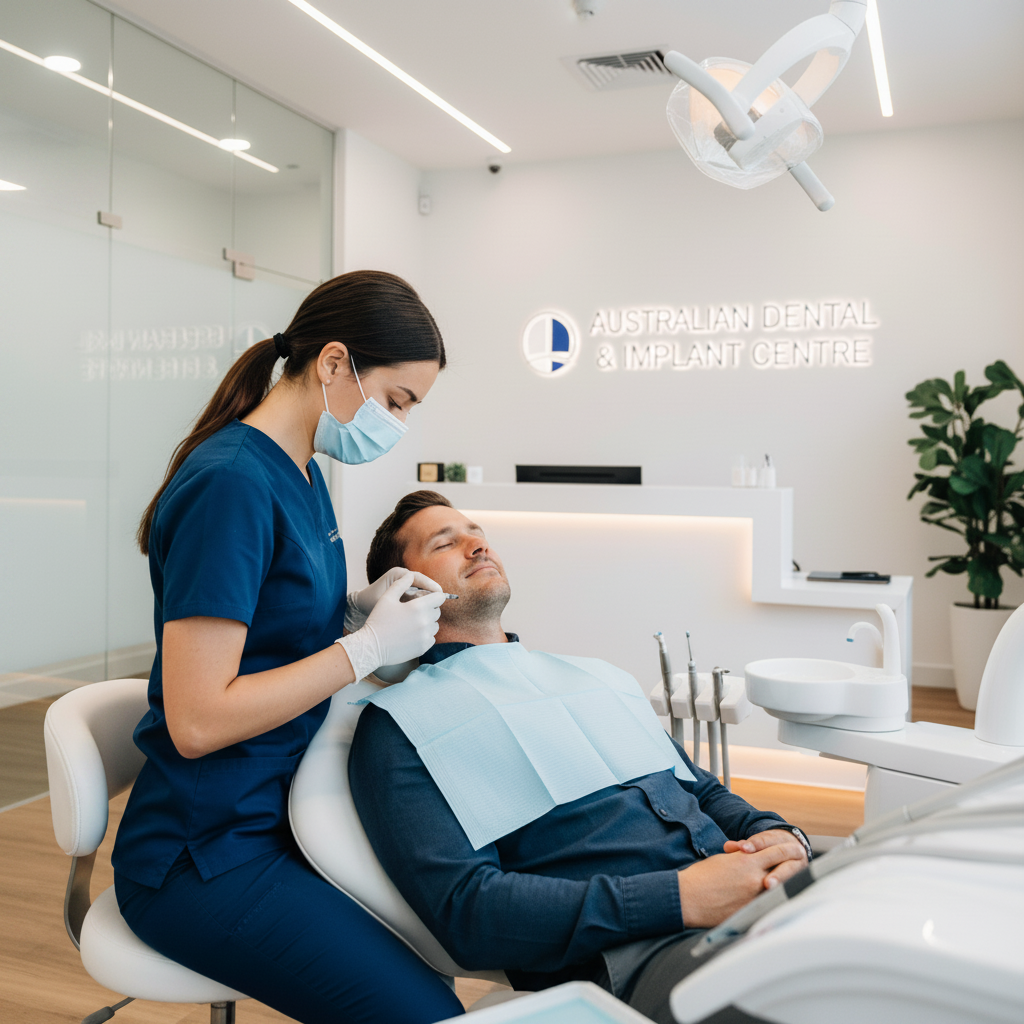
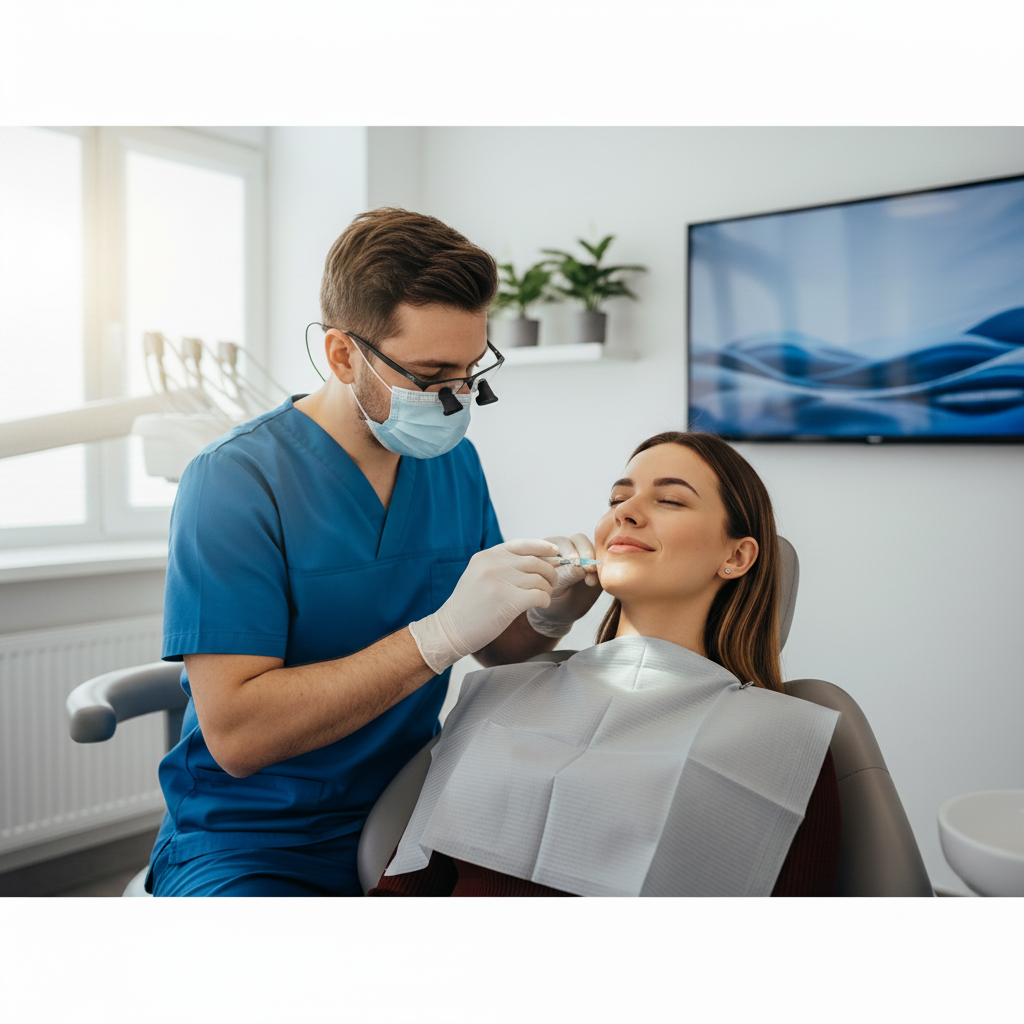
The cornerstone of pain management in almost all invasive dental procedures is local anesthesia. This involves numbing a specific area of the mouth, typically with an injection of a local anesthetic agent. The substance blocks nerve signals, preventing pain messages from reaching the brain during treatment. Modern anesthetic solutions are highly effective, fast-acting, and their application is often made more comfortable through topical numbing gels applied beforehand. Dentists in Australia are highly trained in administering local anesthesia precisely and efficiently, ensuring that the affected area is completely numb before any work begins. This means that while you might feel pressure or movement, you should not experience sharp pain.
Sedation Options for Anxiety and Discomfort
Beyond local anesthesia, many Australian dental clinics offer various sedation options to help patients manage anxiety and further reduce discomfort. These methods are particularly beneficial for those with dental phobia, a strong gag reflex, or for lengthy and complex procedures.
- Nitrous Oxide (Laughing Gas): A mild sedative inhaled through a mask, it induces a state of relaxation and well-being. The effects wear off quickly once the mask is removed, allowing patients to drive themselves home.
- Oral Sedation: Administered as a pill taken before the appointment, oral sedatives induce a deeper state of relaxation. Patients remain conscious but are often drowsy and may have little memory of the procedure. A companion is usually required for transportation.
- Intravenous (IV) Sedation: This is a deeper form of conscious sedation administered directly into the bloodstream. It provides a profound sense of relaxation and often a complete lack of memory of the procedure. IV sedation is typically monitored by a qualified anesthetist or dentist trained in advanced sedation techniques, and a recovery period with supervision is necessary.
These options empower patients to choose a level of comfort that suits their individual needs, transforming potentially stressful experiences into calm and manageable ones.
Are Dental Treatments Painful in Australia? A Procedure-by-Procedure Guide
The perception of pain can vary greatly depending on the type of dental treatment. However, with the application of modern pain management strategies, even traditionally feared procedures are now performed with minimal or no discomfort. Understanding what to expect from common treatments can help alleviate apprehension.
Routine Procedures: Fillings and Cleanings
Routine dental check-ups and cleanings are generally not painful. During a cleaning, some sensitivity might occur, especially if there is gum inflammation, but it is typically mild and temporary. For dental fillings, local anesthesia is almost always used to numb the tooth and surrounding area, making the process of removing decay and placing the filling completely pain-free. Patients might feel vibrations or pressure, but no sharp pain.
Complex Treatments: Root Canals and Extractions
Contrary to popular belief, root canal treatments are performed to *relieve* pain caused by an infected tooth, not to cause it. With local anesthesia, the procedure itself is typically no more uncomfortable than having a filling. Any pre-existing severe pain from the infection is usually eliminated during the procedure. Tooth extractions, while involving the removal of a tooth, are also performed under effective local anesthesia. Patients will feel significant pressure during the extraction but should not experience pain. Post-extraction, discomfort is managed with over-the-counter or prescription pain relief.
Advanced Procedures: Dental Implants and Gum Surgery
Dental implants involve a surgical procedure to place a titanium post into the jawbone. While this sounds daunting, the procedure is carried out under local anesthesia, often supplemented with sedation, making the surgical phase entirely pain-free. Post-operative discomfort is managed with medication and typically subsides within a few days. Similarly, gum surgery is performed with local anesthesia and sometimes sedation, ensuring comfort during the procedure. Recovery involves managing swelling and minor discomfort, usually with prescribed pain relievers.
To provide a clearer picture, here’s a summary of typical pain levels and management strategies for various common dental procedures:
| Dental Procedure | Pain Level During Procedure (with anesthesia) | Typical Post-Procedure Discomfort | Common Pain Management |
|---|---|---|---|
| Routine Cleaning | Minimal sensitivity | None to mild sensitivity | None or over-the-counter pain relief |
| Dental Filling | None (due to local anesthesia) | Mild sensitivity or dull ache for a day or two | Over-the-counter pain relief |
| Tooth Extraction | None (pressure felt with local anesthesia) | Moderate, managed with medication | Prescription or over-the-counter pain relief, ice packs |
| Root Canal Therapy | None (due to local anesthesia) | Mild soreness or sensitivity for a few days | Over-the-counter or prescribed pain relief |
| Dental Implant Placement | None (surgical anesthesia) | Moderate swelling and discomfort for several days | Prescription pain relievers, ice packs |
| Gum Surgery | None (surgical anesthesia) | Moderate discomfort and swelling for a week | Prescription pain relievers, soft diet |
| Teeth Whitening | None to mild sensitivity | Temporary tooth sensitivity | Desensitizing toothpaste, avoiding hot/cold foods |
Advanced Technologies Enhancing Comfort
Beyond traditional anesthetics and sedatives, many Australian dental clinics incorporate advanced technologies that contribute to a more comfortable patient experience. For example, some clinics utilise laser dentistry for certain procedures, which can reduce bleeding and discomfort, and promote faster healing. Computer-assisted anesthesia delivery systems, like The Wand, provide a more comfortable and precise injection experience, minimizing the sting often associated with traditional syringes. Digital X-rays reduce radiation exposure and allow for quicker, clearer diagnostics, leading to more efficient and less invasive treatment planning. These technological innovations underscore the commitment of modern dentistry to patient well-being and pain reduction.
Patient-Centric Care in Australian Dental Clinics
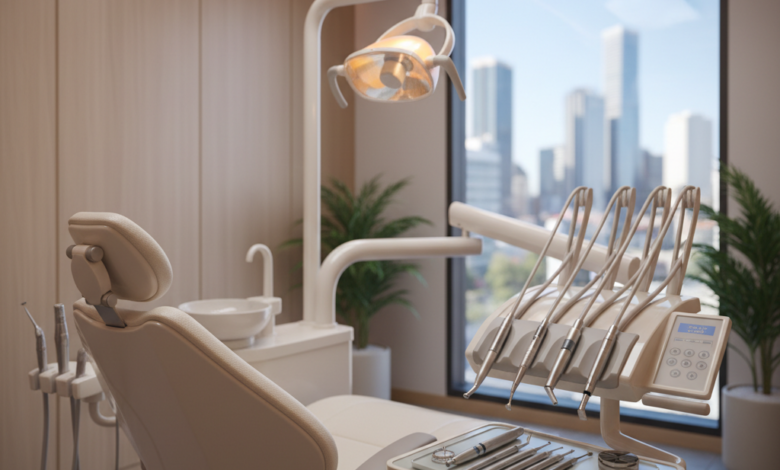
A crucial aspect of minimizing perceived pain in dental treatments is the patient-centric approach adopted by many Australian clinics. This involves open communication, where dentists explain each step of the procedure, listen to patient concerns, and constantly check in on their comfort levels. Creating a relaxing environment with amenities such as comfortable chairs, soothing music, or even television screens on the ceiling can significantly reduce anxiety. The focus is not just on treating dental issues but on providing a positive and empowering experience. If you are concerned about discomfort during specific procedures, it is always best to discuss your fears and expectations with your dentist. For more detailed insights into specific procedures and their pain profiles, you can explore resources like those detailing the pain level of dental procedures in Australia.
Managing Post-Treatment Discomfort Effectively
While most discomfort during dental procedures is eliminated with anesthesia, some level of soreness or mild pain can occur after the anesthetic wears off, especially following more invasive treatments. This post-procedure discomfort is a normal part of the healing process and is generally manageable. Your dentist will provide specific aftercare instructions, which typically include:
- Taking prescribed pain relievers or over-the-counter options like ibuprofen or paracetamol.
- Applying a cold compress to the outside of the cheek to reduce swelling.
- Eating soft foods and avoiding chewing on the treated side.
- Maintaining good oral hygiene carefully, as instructed.
- Avoiding strenuous activities for a specified period.
Following these guidelines diligently can significantly reduce post-operative pain and ensure a quicker, smoother recovery. It is also important to understand that pain perception is highly individual, and while one person might experience mild discomfort, another might feel more sensitive. Scientific understanding of pain and its management continues to evolve, as detailed in resources like Wikipedia on Pain Management.
The notion that dental treatments are inherently painful is largely outdated. Modern dentistry in Australia is firmly rooted in the principles of patient comfort, employing a sophisticated array of techniques and technologies to ensure that treatments are as pain-free as possible. From highly effective local anesthesia and various sedation options to advanced procedural tools and a compassionate, patient-focused approach, dentists are equipped to manage and prevent discomfort at every stage. Open communication with your dental professional about any fears or concerns is key to a positive experience, leading to improved oral health without the burden of pain.