Are Dental Implants Covered by Insurance Australia?

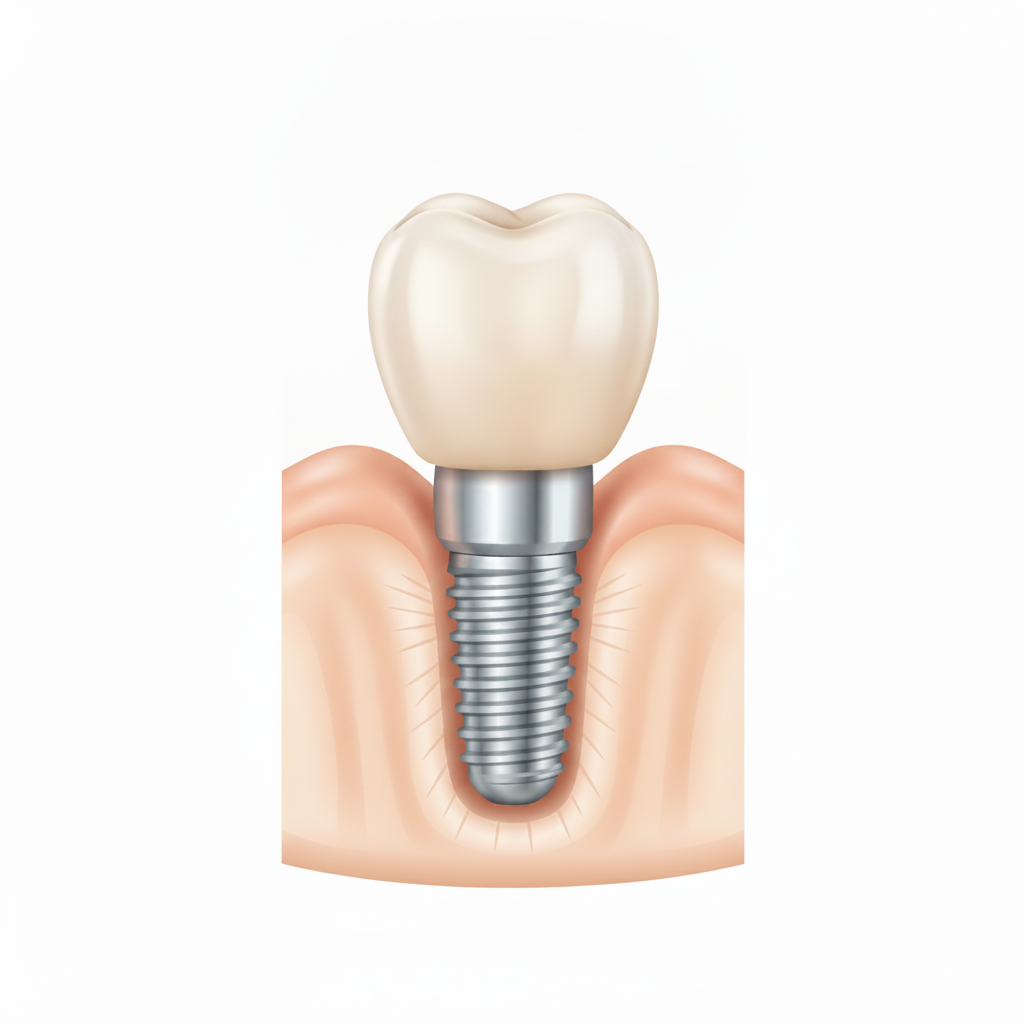
Dental implants are sophisticated dental prosthetics designed to replace missing teeth, offering unparalleled stability, aesthetics, and functionality. Unlike traditional dentures or bridges, an implant consists of a small, titanium screw surgically placed into the jawbone, acting as an artificial tooth root. This surgical component then integrates with the bone in a process called osseointegration, providing a robust foundation for a custom-made crown, bridge, or even full-arch dentures. The popularity of dental implants stems from their ability to preserve bone structure, maintain facial integrity, and allow patients to eat, speak, and smile with confidence, mimicking the feel and function of natural teeth.
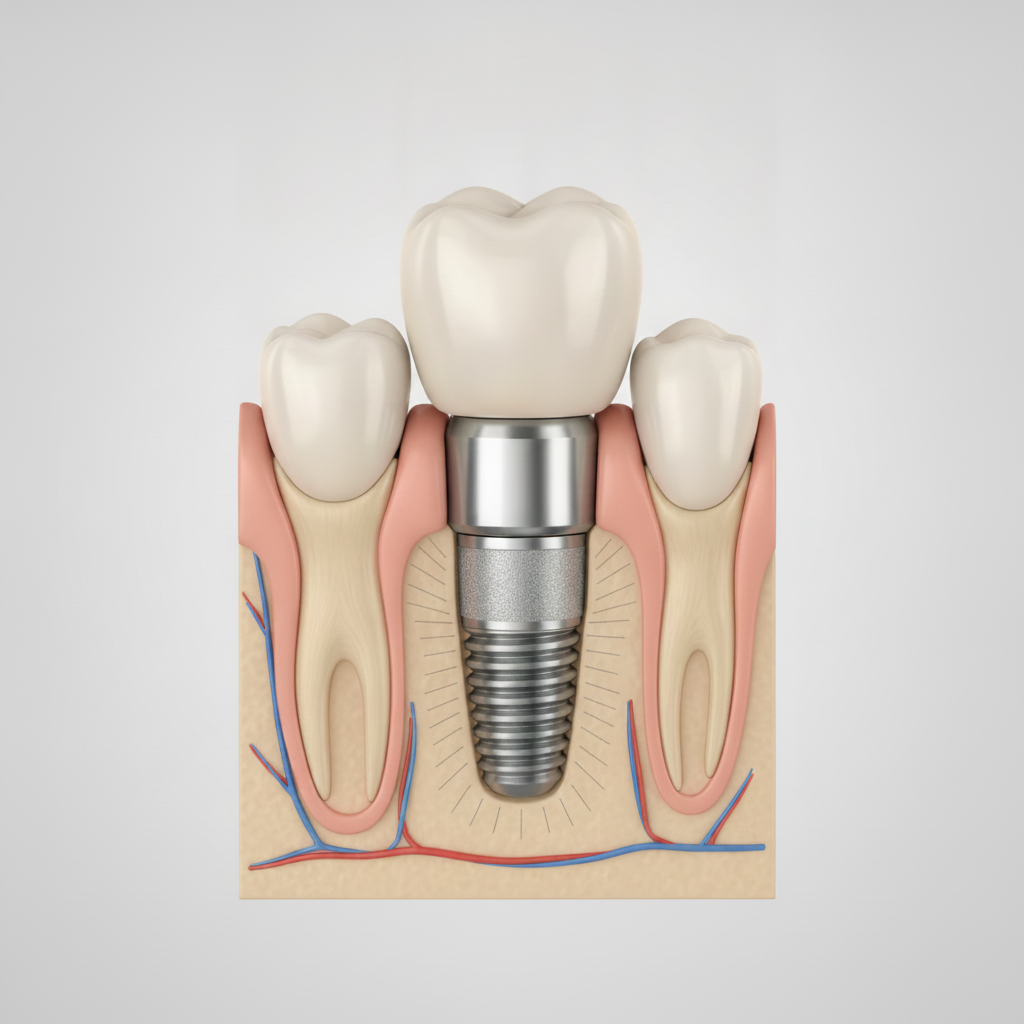
Are Dental Implants Covered by Insurance Australia? Navigating the complexities of dental insurance coverage for advanced procedures like dental implants in Australia can be a challenging task for many individuals seeking to restore their smile and oral function. As a long-term solution for missing teeth, dental implants offer significant benefits, but their cost often leads to questions about financial assistance, particularly from private health insurance providers.
Understanding Dental Implants: A Premium Solution for Tooth Loss
The procedure for receiving dental implants typically involves several stages, beginning with a comprehensive assessment, followed by the surgical placement of the implant, a healing period, and finally, the attachment of the prosthetic tooth. Each stage requires precision and expertise, contributing to the overall investment required for this advanced dental solution. Given their long-term success rates and life-changing benefits, understanding the financial aspects, especially insurance coverage, is crucial for Australians considering this treatment.
Are Dental Implants Covered by Insurance Australia? Unpacking Health Fund Policies
In Australia, the public healthcare system, Medicare, provides limited coverage for dental services, typically only for emergency treatments in public hospitals or specific circumstances such as children eligible for the Child Dental Benefits Schedule (CDBS). This means that for elective procedures like dental implants, Australians primarily rely on private health insurance. However, not all private health insurance policies are created equal, and coverage for dental implants can vary significantly.
Private health insurance in Australia is generally divided into Hospital cover and Extras (or Ancillary) cover. Dental treatments, including dental implants, fall under Extras cover. Within Extras, there are different tiers: General Dental and Major Dental. General Dental usually covers routine procedures like check-ups, cleanings, and minor fillings. For more complex and expensive treatments such as crowns, bridges, orthodontics, and crucially, dental implants, you will need Major Dental cover.
- Waiting Periods: Most private health funds impose waiting periods before you can claim benefits for Major Dental procedures. These can range from 6 to 12 months, or sometimes even longer, depending on the fund and the specific policy. It is essential to serve the full waiting period before undergoing treatment to be eligible for benefits.
- Annual Limits: Health insurance policies have annual limits on how much they will pay out for specific services within a calendar year. For Major Dental, these limits can vary widely, from a few hundred dollars to several thousand. Given the cost of dental implants, it’s common for patients to reach their annual limit quickly, leaving a significant gap to pay out of pocket.
- Benefit Percentages: Health funds typically pay a percentage of the treatment cost, rather than the full amount. This percentage can range from 50% to 80% or more, depending on your level of cover and the specific provider.
- Preferred Providers: Some health funds have “preferred provider” networks. You might receive higher benefits or a smaller gap payment if you choose a dentist who is part of your health fund’s network.
- Policy Exclusions: Always check for any specific exclusions in your policy that might apply to dental implants. While rare for comprehensive Major Dental plans, it’s wise to review the fine print.
Factors Influencing Dental Implant Coverage in Australia
Several variables come into play when determining the actual out-of-pocket cost for dental implants, even with private health insurance. The type of implant, the number of implants required, the need for supplementary procedures like bone grafting or sinus lifts, and the fees charged by the dental professional all contribute to the overall expense. Insurance typically covers a portion of these costs, but rarely the entire amount.
The definition of “dental implant” can also be nuanced by insurance providers. Some policies might cover the surgical placement of the implant post but not the crown or abutment that goes on top, or vice versa. It’s imperative to obtain a detailed treatment plan and cost estimate from your dentist, and then cross-reference this with your health fund to understand exactly what components of the procedure are covered and to what extent. This proactive approach helps avoid unexpected financial surprises.
| Insurance Tier | Typical Coverage Scope | Waiting Periods (Estimate) | Annual Limits (Estimate) |
|---|---|---|---|
| Basic Extras | Limited to routine dental (check-ups, cleans, small fillings). Dental implants typically NOT covered. | 0-2 months | $100 – $300 |
| Medium Extras | General dental plus some coverage for minor restorative work. Might offer very limited or no benefits for implants. | 6 months (general), 12 months (major) | $300 – $700 |
| Comprehensive (Major Dental) Extras | Covers General Dental and a significant portion of Major Dental procedures, including dental implants, crowns, bridges, and orthodontics. | 12 months (major) | $800 – $2,500+ |
| Top-Tier Combined Policies | Highest level of hospital and extras cover, offering the most generous benefits for major dental work including implants. | 12 months (major) | $1,500 – $3,500+ |
Navigating Out-of-Pocket Expenses and Gap Payments
Even with comprehensive Major Dental cover, it’s highly probable that you will incur out-of-pocket expenses, also known as a ‘gap payment’. This is the difference between the total cost of your treatment and the amount your health insurance fund pays. Factors such as your health fund’s schedule of fees, your dentist’s charges, and your policy’s benefit percentage all contribute to this gap. Many patients opt to spread these costs over several financial years if their annual limits reset, or if the treatment plan allows for staging the procedure over a longer period. For instance, the implant placement might occur in one year, and the crown attachment in the next, potentially allowing you to claim against two annual limits.
It’s crucial to have open discussions with your dental clinic about all costs involved and to request a detailed breakdown. Once you have this, contact your private health insurer with the item numbers from your treatment plan. They can then advise you precisely what benefits you are eligible for, how much of your annual limit remains, and what your expected out-of-pocket expenses will be. This step is vital for financial planning and ensuring there are no surprises.
Alternative Financial Strategies for Dental Implants
Given the potential for substantial out-of-pocket costs, many Australians explore alternative financial strategies to make dental implants more accessible. One common option is to inquire about payment plans offered directly by dental clinics. Many practices understand the financial burden and provide interest-free or low-interest payment options, allowing patients to pay for their treatment in manageable instalments over time. Understanding the full timeline for dental implants in Australia can also help in planning these payments, aligning them with annual limits or personal financial cycles.
Another less common but viable option for some individuals is accessing superannuation early on compassionate grounds for necessary medical procedures, which can include extensive dental work if it significantly impacts quality of life and cannot be otherwise afforded. This is a highly regulated process and requires approval from the Australian Taxation Office (ATO). Furthermore, for those considering dental tourism, it’s important to weigh the initial cost savings against potential complications, follow-up care needs, and the absence of local insurance coverage for treatments received abroad. While some perceive this as a way to circumvent high Australian costs, it requires thorough research and consideration of all factors.
For those without private health insurance, or with policies that offer minimal dental coverage, the full cost of dental implants must be borne by the individual. In such cases, thoroughly researching different dental providers, comparing quotes, and discussing all available financing solutions becomes even more critical. Prioritising oral health and investing in solutions like dental implants often proves to be a cost-effective choice in the long run, preventing further dental deterioration and associated health issues.
The Long-Term Investment: Why Dental Implants Are Worth Considering
Despite the initial financial outlay, dental implants are widely regarded as a superior long-term investment in oral health and overall well-being. Their durability, often lasting a lifetime with proper care, makes them a more cost-effective solution compared to alternatives that may require frequent repairs or replacements. The benefits extend beyond mere tooth replacement; implants help prevent jawbone loss, preserve the integrity of adjacent natural teeth, and restore full chewing capability, allowing for a varied and healthy diet. This contributes significantly to general health, digestive efficiency, and confidence.
The decision to pursue dental implant treatment should therefore consider not just the immediate costs and insurance coverage, but also the profound improvements in quality of life, oral health stability, and the long-term economic advantages of choosing a permanent solution. While the journey through insurance policies can be complex, armed with the right information and a clear understanding of your options, achieving a healthy, functional, and aesthetically pleasing smile through dental implants is an attainable goal for many Australians.
For detailed information on Australia’s healthcare system and its general provisions, you can consult Wikipedia’s overview of Healthcare in Australia.